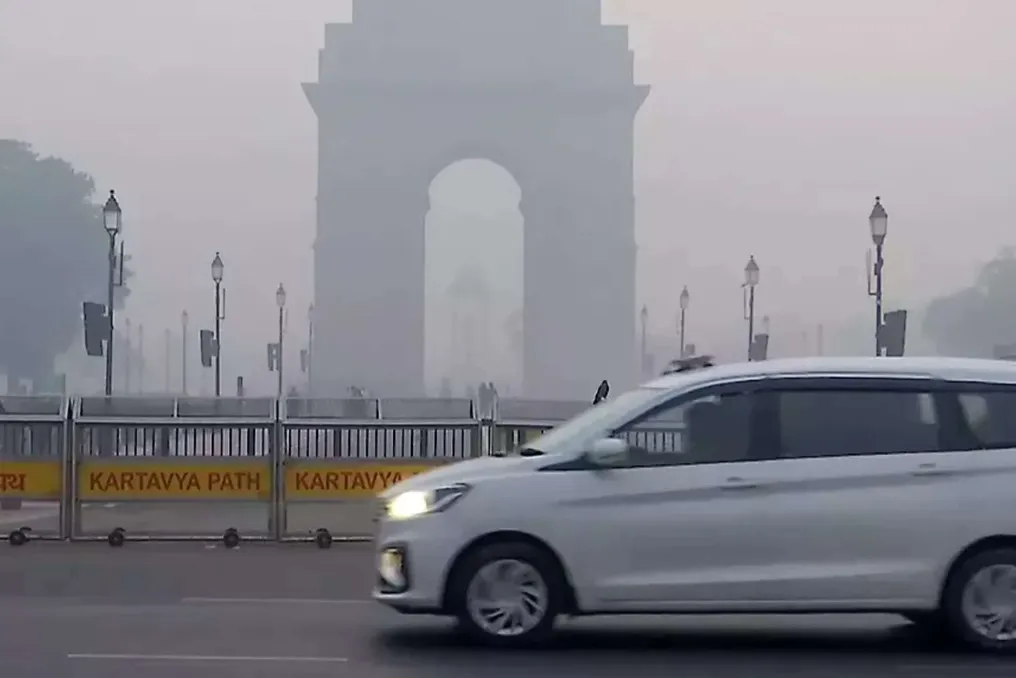
The Delhi government has intensified its measures to combat air pollution, instructing district administrations to create maps of pollution hotspots. These administrations must identify pollution sources within a three-kilometer radius and assign responsible departments with specific corrective measures and deadlines. Furthermore, it has been mandated that all unfinished road and civil works must be completed by October 31st, where feasible. Stricter requirements have been introduced regarding dust control from roads, construction pollution, waste burning, illegal parking, and traffic congestion.
These directives were announced during district-level meetings chaired by Environment Minister Manjinder Singh Sirsa for the eastern, northeastern, southeastern, and southern districts of Delhi. Staff were instructed to use Air Quality Index (AQI) monitoring data to identify problem areas, assess pollution sources, and take immediate action on the ground.
Pollution Hotspots Will Receive Source-Specific Action Plans
District administrations will map pollution hotspots based on data obtained from AQI monitoring stations. Each hotspot will then be analyzed for sources such as road dust, traffic jams, vehicular emissions, construction and demolition activities, unauthorized parking, open or unmanaged land, and biomass or waste burning.
Where necessary, activities generating pollution within a three-kilometer radius of each hotspot will be investigated. Authorities will prepare source-grouped action plans detailing the required corrective measures, the responsible organization, and implementation timelines.
Particular attention will be paid to locations recording high levels of PM10 and PM2.5, especially in areas with heavy traffic, heavy vehicle parking, significant road dust, and congestion. Such locations will be inspected for pollution sources, and immediate remedial actions will be taken.
October 31 Deadline for Unfinished Roadworks
The government has ordered departments to prioritize the completion of unfinished civil works by October 31st, if possible. These works include pothole repair, grading and development of brownfield sites, and other road and roadside maintenance activities. Staff were also instructed on the necessity of proper maintenance of completed works to reduce road dust generation.
In cases where necessary work cannot be performed due to ongoing projects, departments are obligated to continue water sprinkling and apply other dust suppression measures until the road surface is restored.
Stricter Regulations on Construction and Waste Burning
The government has directed departments to strictly adhere to dust control norms at construction and demolition sites. Violations will result in severe penalties according to existing regulations. The ban on biomass burning will also be enforced without exception. Preventive measures against the open burning of garbage, plastic and rubber waste, textiles and fibers, industrial and organic residues, scrap metal, and other combustible materials will be strengthened.
Targeted Action Against Illegal Parking and Encroachments
Staff were also tasked with clearing illegal encroachments from roads and public spaces if they contribute to congestion and impede traffic flow. This initiative aims to improve traffic flow and reduce pollution caused by idling vehicles and prolonged delays.
At Anand Vihar bus station, departments were instructed to increase control over unauthorized parking of buses and heavy vehicles. Cranes will be deployed, if necessary, to remove or tow such vehicles.
Patparganj to Receive Special Attention
The Patparganj industrial area has been designated for targeted interventions aimed at reducing road dust, traffic congestion, and vehicular emissions. Departments have been instructed to maintain continuous water sprinkling and dust control measures in vulnerable areas, especially where road or related works are underway.
Future Roads to Minimize Exposed Ground
For future projects, departments are mandated to provide full coverage or paving for roads and corresponding roadside areas, where technically feasible and compliant with applicable specifications. The goal of this step is to reduce the amount of exposed soil and unpaved surfaces that can contribute to road dust formation.
The government emphasized the need for closer coordination between various departments and agencies, clearly distributing responsibility for individual pollution control measures. Local Members of Legislative Assembly (MLAs), district magistrates, Deputy Commissioners of Police, Deputy Commissioners of MCD, and senior officials from various departments participated in the meetings. Coordinated efforts involved staff from the Revenue Department, DPCC, PWD, MCD, Traffic Police, DSIIDC, I&FC, DJB, DMRC, NHAI, and other agencies. The Minister also instructed local teams to maintain constant vigilance in vulnerable spots and respond immediately to violations. DPCC and law enforcement agencies were required to impose strict fines, including substantial penalties where applicable. Officials were also informed about the necessity of promptly addressing citizen complaints, especially those received through the 311 helpline.