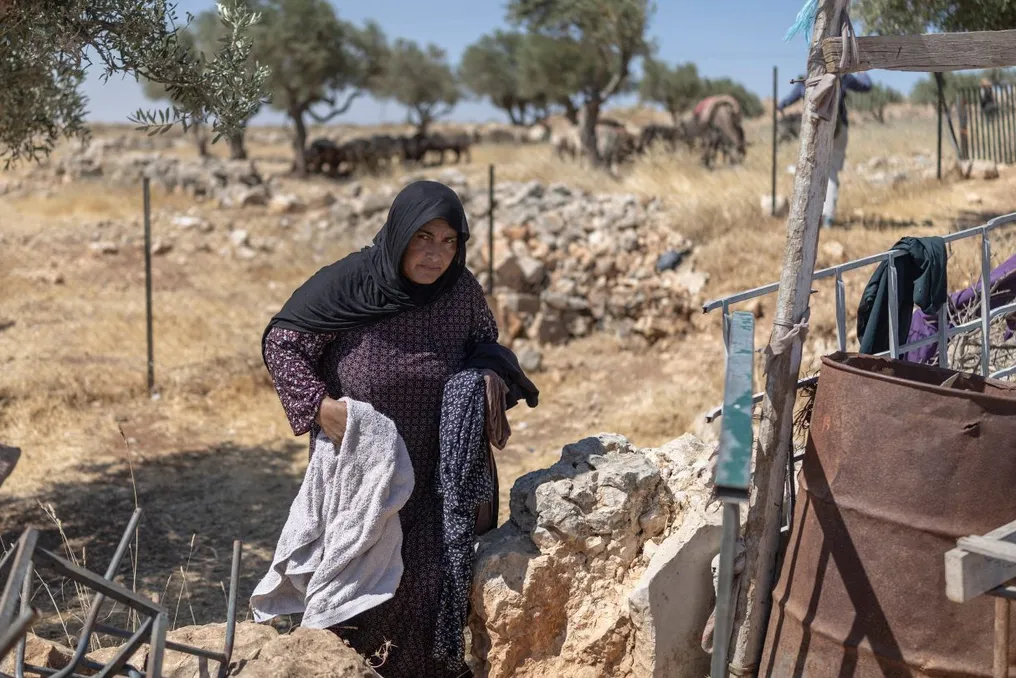
According to the United Nations Office for the Coordination of Humanitarian Affairs (OCHA), families in the West Bank headed by women face higher risks of forced displacement. This is linked to increased violence from Israeli settlers.
Furthermore, compared to male-headed households, members of such families suffer more frequently from chronic illnesses.
The agency estimates that about 83,000 households, which constitutes one eighth of the families in the West Bank, are led by women.
In the survey, almost ten out of ten women who are heads of households stated that checkpoints create a feeling of insecurity when moving. More than half of the respondents noted that movement restrictions hinder access to their livelihoods.
An analysis conducted by UN Women based on a survey among women officially recognized as heads of households showed that 82 percent of these women are responsible for managing household income. Additionally, 77 percent are responsible for childcare, 75 percent make all decisions regarding family members' safety, and 65 percent independently manage aid registration.