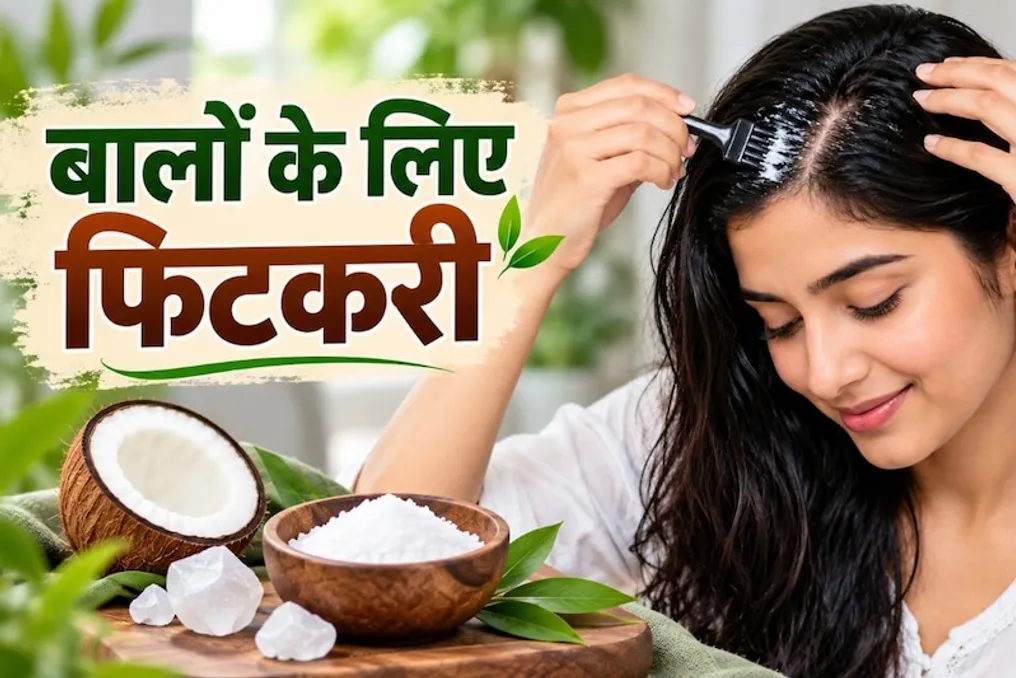
Hair loss is a common problem nowadays, and people try various oils, shampoos, and home remedies to solve it. One such method of use is alum.
Although alum is usually applied after shaving or for water purification, many also use it for scalp hygiene and to combat issues like dandruff. Alum has antimicrobial and astringent properties that can help cleanse the skin.
It is important to understand that using alum does not guarantee an immediate halt to hair loss, but when used correctly, it can help cleanse the scalp and alleviate dandruff symptoms. Below is a guide on how to use alum on hair and what points to consider during the procedure.
To prepare the solution, mix a small amount of alum or about one teaspoon of alum powder in one cup of warm water until completely dissolved. After washing your hair with shampoo, apply this solution to the scalp and leave it on for 5–10 minutes, then rinse with water.
It is not recommended to use this method too often, as alum can cause dryness or irritation to the scalp.
For this method, mix one teaspoon of alum powder with two tablespoons of slightly warmed coconut oil. Apply the mixture to the scalp and massage gently. It is recommended to wash your hair with shampoo after 30–45 minutes.
Avoid rubbing the alum directly onto the scalp. Before using it for the first time, be sure to perform a patch test on a small area behind the ear or on the arm. If redness, burning, itching, or swelling occurs, stop using the alum.
Excessive use of alum can lead to scalp dryness. Therefore, it should be used in limited amounts, not regularly. If problems with dandruff, itching, rash on the scalp, or hair loss persist, it is best to consult a specialist.
Disclaimer: This information is provided for informational purposes only. Always consult a specialist before making any changes to your hair care routine.