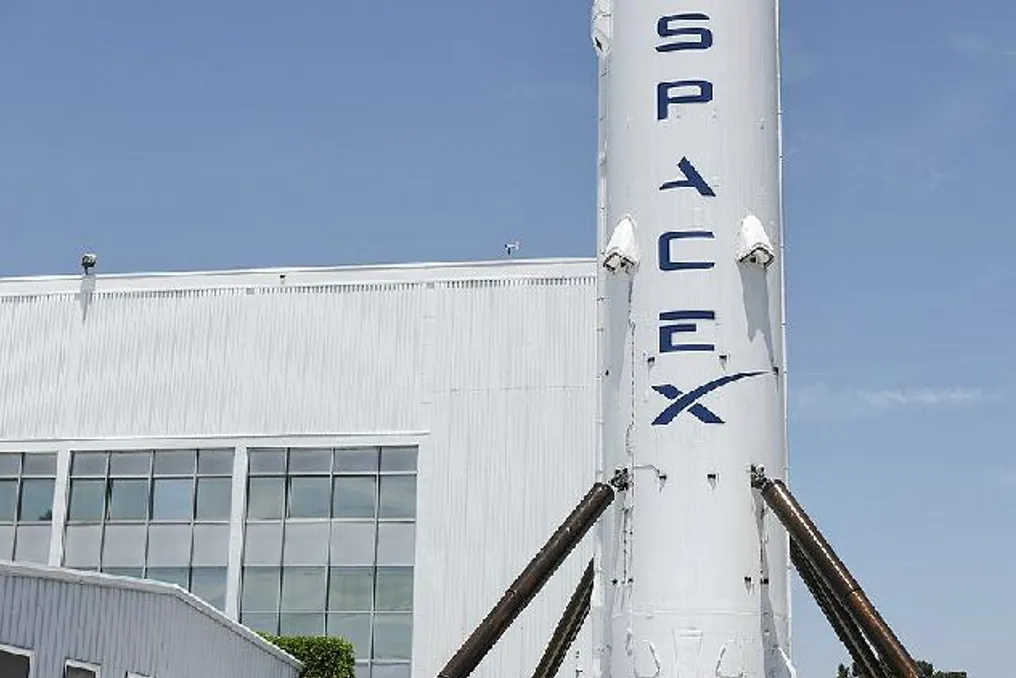
NASA announced on Friday that it has awarded SpaceX a $946 million contract to conduct three additional astronaut missions to the International Space Station (ISS). This extends the company's manned flight operations to the station until 2030.
This agreement increases the total number of SpaceX astronaut flights under the contract to 17 and raises the total contract value to $5.92 billion. NASA relies heavily on SpaceX to provide regular crew transport to and from the station while the agency works on maintaining a second American option through Boeing.
The contract covers all phases of the mission: preparation of astronauts and spacecraft on the ground, launch, in-space mission operation, return of crews home, and capsule recovery. It also includes cargo transportation and the use of the spacecraft as an emergency vehicle at the station.
In 2014, the agency selected SpaceX and Boeing to develop spacecraft capable of delivering astronauts to the orbital station. The goal of this selection was to ensure the US had a regular national launch capability after the retirement of the NASA Space Shuttle, ending the long-term dependence on Russian Soyuz spacecraft.
Issues encountered during the 2024 test crewed flight of Boeing's Starliner forced NASA to return the uncrewed capsule and send astronauts Batch Williams and Suni Williams aboard SpaceX's Dragon. Their planned 10-day mission turned into a stay on the ISS lasting over nine months.
NASA approved SpaceX's flight system for astronauts in November 2020. Since then, SpaceX has been the primary provider for crew rotation on the station, using its Crew Dragon capsule and Falcon 9 rocket for transporting up to four astronauts, as well as supplies.
The agency aims for both SpaceX and Boeing to conduct crewed flights so that a technical issue or accident affecting one company does not interrupt American astronauts' access to the station.
As reported by The Wall Street Journal on Friday, the agency is negotiating with Boeing regarding the use of the aerospace manufacturer's Starliner vehicle for new missions, considering the possibility of conducting another 10 or more Starliner flights in the coming years.
A Boeing representative told Reuters: 'We are committed to NASA's commercial crew efforts and look forward to launching the next Starliner mission according to NASA requirements.' A NASA representative told The Wall Street Journal that the agency 'is developing plans to achieve national goals for sustained presence in low Earth orbit' and expects to release details soon.