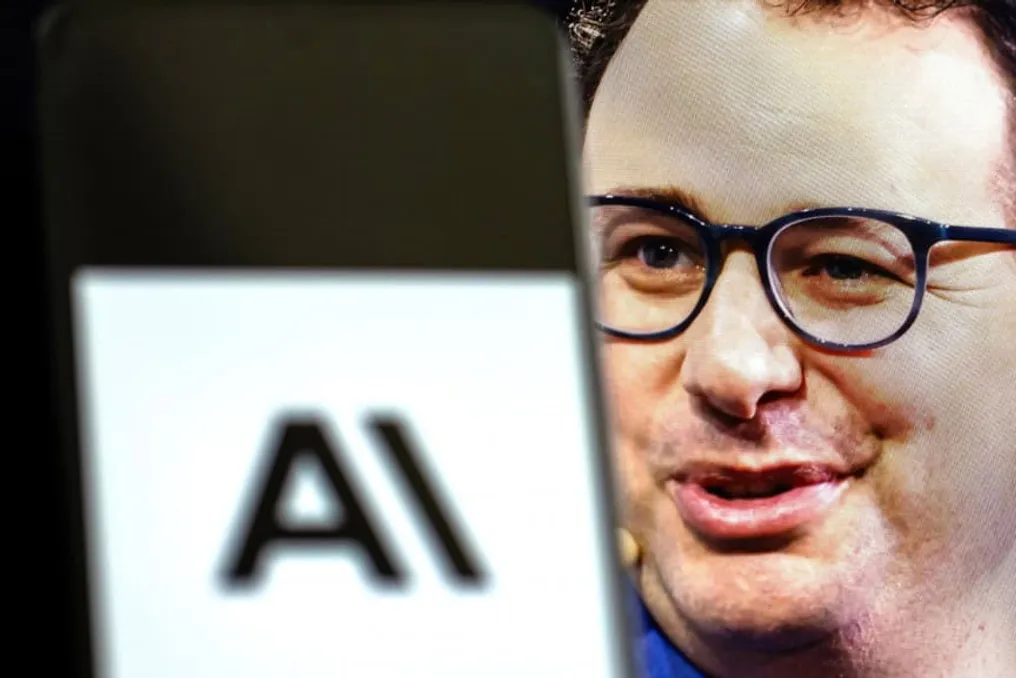
A new lawsuit in the United States alleges that Anthropic, OpenAI, SpaceXAI, and Google coordinated their efforts to slow down the development of their respective artificial intelligences. The case was filed on Friday, the 18th, in the U.S. District Court for the Northern District of California.
According to the plaintiffs, this alleged coordination violates antitrust laws, as it involved major industry companies in a pact to ensure technological progress occurred at a slower pace than would be expected in a competitive market. Furthermore, the petition argues that such a practice could result in reduced costs for AI services offered to consumers.
The lawsuit focuses on events that occurred on September 12th, the date when Dario Amodei, CEO of Anthropic, released a text advocating for collaboration among companies in the field to retard AI progress, aiming to implement more robust safety measures.
On the same day, Sam Altman, CEO of OpenAI, Elon Musk, CEO of SpaceXAI, and Demis Hassabis, co-founder and president of Google DeepMind, publicly expressed support for Amodei's suggestions.
The four individuals cited in the lawsuit are paying subscribers to ChatGPT, Claude, Grok, or Gemini services. The lawyers claim to represent them on behalf of a national group composed of other users who also pay for these services.
For the plaintiffs, the synchronization among competitors with the intent of slowing down AI advancement generates anti-competitive consequences. It is important to note that the lawsuit does not question whether the companies can discuss with the government the creation of standards for the sector or request a specific exemption from antitrust laws.
By proposing a slowdown, Amodei admitted that corporate cooperation could raise issues under antitrust law. He argued that the U.S. government could mediate or at least facilitate conversations between the labs.
In Amodei's view, direct government involvement would not be necessary, but rather the granting of a limited exemption for certain security-related dialogues. Altman, for his part, stated that OpenAI endorses a federal structure with uniform safety requirements, adding that the company sees no need to wait for new legislation or an antitrust exemption to begin building this structure.
This debate occurs against a backdrop of growing concerns about the inherent risks of AI advancement. Industry leaders have been debating for some time the creation of shared standards and other forms of coordination to keep safety as a priority.
The lawsuit's authors state they are not against the requests made by corporations to Congress, the White House, or other bodies to establish artificial intelligence regulations, nor do they specifically oppose the request for an antitrust exemption.
The situation also involves the stance of the U.S. government. President Donald Trump publicly rejected calls for regulation, classifying attempts to restrict the technology as part of a 'sick conspiracy.' Last Saturday, Trump announced that he would be setting up an AI task force and planned to appoint an 'AI czar,' although he provided little information about the initiative. The government has also advocated for American labs to advance relative to Chinese competition.
In a recent Senate hearing, Senator Josh Hawley, a Republican from Missouri, also vetoed the possibility of granting large tech companies an antitrust exemption so they could cooperate, warning that this could benefit agreements between rivals and decrease competition.