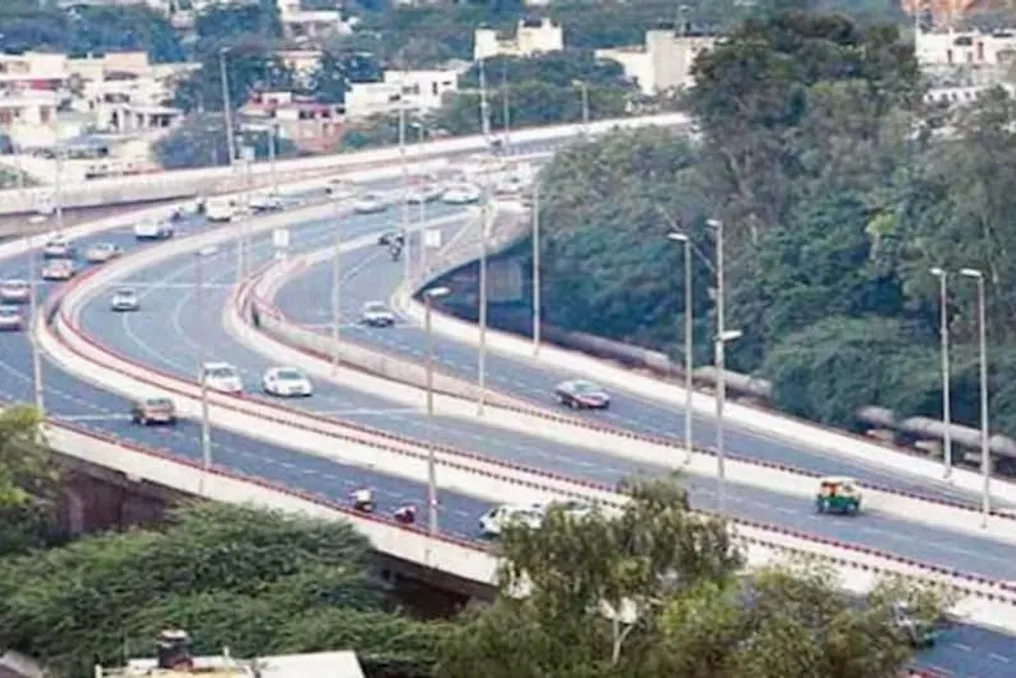
Barapula Flyover Phase-3 Construction Completed, Will Ensure Unimpeded Travel from Mayur Vihar to AIIMS
Read more
Aaj Tak
www.aajtak.in

Barapula Flyover Phase-3 Construction Completed, Will Ensure Unimpeded Travel from Mayur Vihar to AIIMS

Preparations for the opening of Barapula Phase-3 corridor in Delhi have been completed. Minister of Public Works Department (PWD) Pravesh Sahib Singh announced on Saturday that the grand opening of this corridor will take place on September 29. The ceremony is expected to be attended by Home Minister Amit Shah and Chief Minister Reha Gupta.

This project aims to improve transport connectivity between the eastern and southern parts of Delhi. Thanks to it, passengers will be able to travel from Mayur Vihar Phase-1 to AIIMS without traffic lights. The new flyover bridge will be connected to the existing Barapula flyover near Sarai Kale Khan, increasing the total corridor length to approximately 9 kilometers.

According to officials, the construction of both ramps of the flyover corridor is complete. One ramp connects from the Mayur Vihar side, and the second continues from the existing corridor near Sarai Kale Khan. Work on an additional bridge built over the Yamuna River, which will play a key role in unifying the entire corridor, has also been completed.

PWD Minister Pravesh Sahib Singh emphasized the significance of this initiative for urban infrastructure, noting that for the first time in the country, a dedicated bicycle lane is provided within this flyover corridor. The goal is to encourage cycling and promote eco-friendly travel in Delhi.

The corridor is designed according to modern urban design principles, providing amenities not only for motorists but also for pedestrians. Thus, the project considers the needs of cyclists and pedestrians alongside automobiles.

The Barapula Phase-3 project was approved back in 2014, and construction began in 2015. The initial plan anticipated completion by 2017, but due to various delays, the project was not finished on schedule, which also led to a significant increase in its cost.

The current revised cost of the project has reached approximately 1 billion 635 million rupees. After a long period of inactivity, construction has been finalized. Now that both flyover ramps and the additional bridge over the Yamuna are ready, the facility is being prepared for public inauguration.
Similar stories

Transport plan changes planned for Greater Noida: separate routes for freight and passenger transport
Read more
www.aajtak.in

Transport plan changes planned for Greater Noida: separate routes for freight and passenger transport

In light of growing industrial and logistical activity in Greater Noida, an improvement to the road traffic system is being prepared. The Greater Noida Industrial Development Authority (GNIDA) has proposed separating the movement of freight and passenger vehicles.

As part of this proposal, the construction of a 105-meter wide road to the Kapur bypass and the creation of a six-lane elevated road from the Multimodal Logistics Hub (MMLH) to the Noida International Airport in Jewar are under discussion. These plans aim to strengthen the connectivity of Greater Noida.

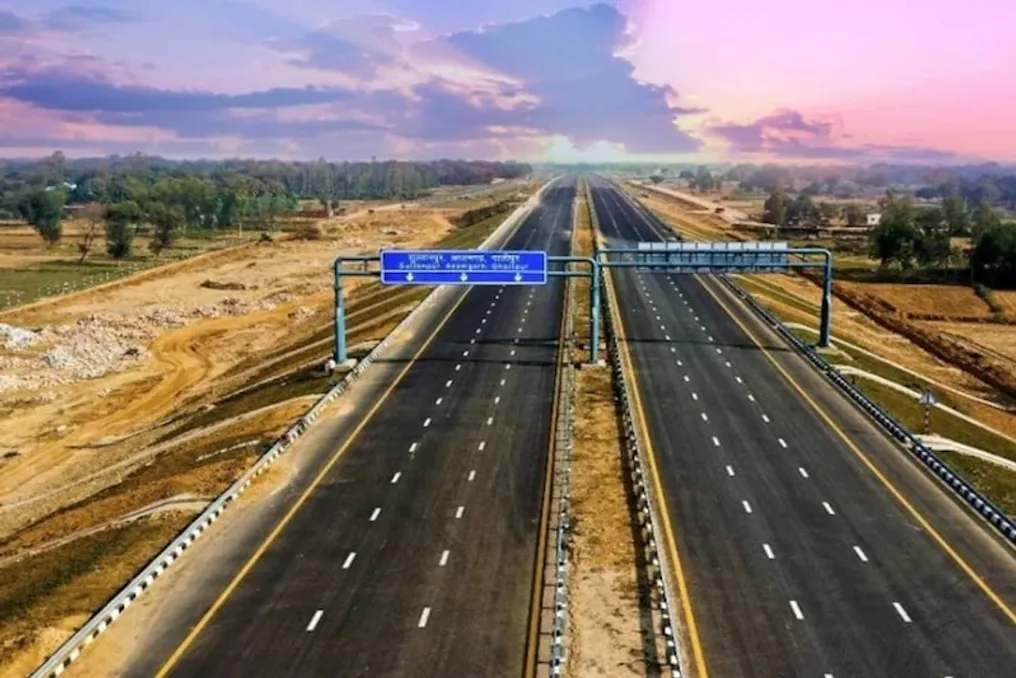
GNIDA has proposed building a road approximately 105 meters wide to the Kapur bypass. According to officials, the construction of this road will improve the connection between Noida-Greater Noida and the Ganga Expressway, reducing travel time between them to approximately 30-45 minutes. Furthermore, it is proposed to extend the existing transport link by about 15 kilometers, connecting Greater Noida with the Ganga Expressway, which is expected to accelerate industrial activity and movement in the region.

GNIDA also presented a project for constructing a six-lane elevated road from the MMLH to the Noida International Airport in Jewar. This road will run parallel to the Western Dedicated Freight Corridor and is primarily intended for freight transport. This will allow goods leaving the logistics hub to be delivered directly to the airport's cargo terminal, saving transportation time and reducing the load of heavy vehicles on city streets.

All these initiatives are part of the plan to amend the Greater Noida Master Plan for 2041. The main objective is to separate the movement of freight and passenger vehicles in the city. Discussions on these proposals took place on Monday in Lucknow, chaired by the Minister of Industrial Development, Nand Gopal Gupta. Alok Kumar, Deputy Chief Secretary of the Department of Industrial Development, was also present.

According to GNIDA, the Multimodal Logistics Hub and the Multimodal Transport Hub are among the key future projects of Greater Noida. Upon their implementation, an increase in the capacity of freight transport in the region and smoother movement between the logistics hub and the airport is expected. Overall, the proposed roads and elevated corridors are considered an important step towards separating freight traffic from passenger traffic in Greater Noida, which could give a new impetus to the connectivity between industrial zones, logistics hubs, the Ganga Expressway, and Jewar Airport.

Popular