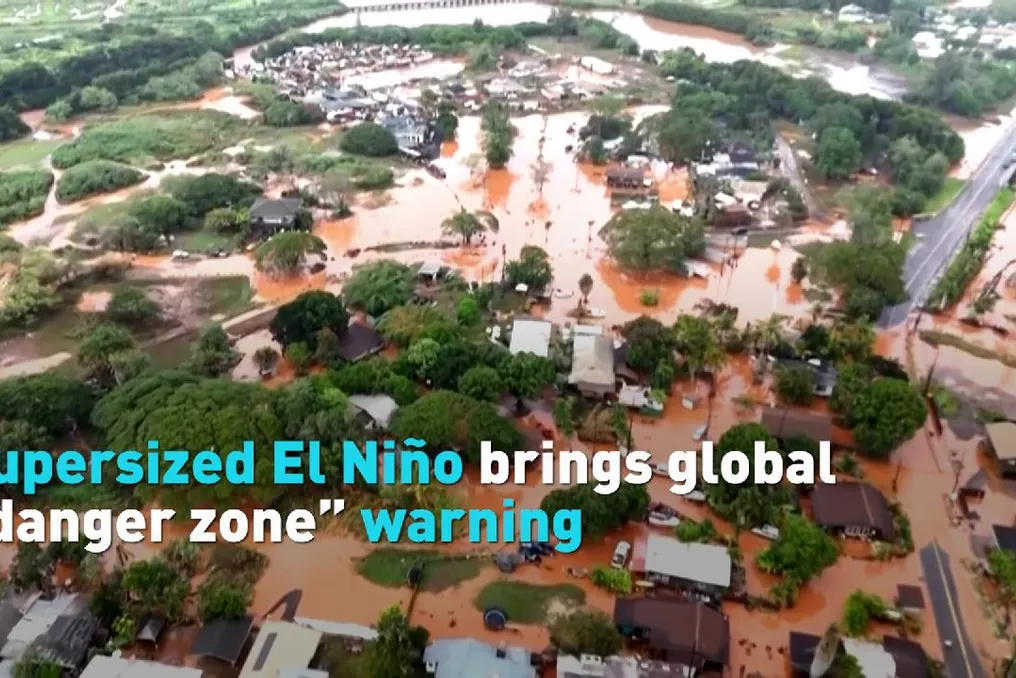
As the monsoon season in India concluded with a rainfall deficit, over 180 scientists and ecologists issued an urgent call to prepare for a potentially exceptionally strong El Niño event. They highlighted risks ranging from drought and extreme heat to forest fires and ecosystem damage.
This appeal came amid the annual retreat of the southwest monsoon. Previously, the India Meteorological Department (IMD) reported that the monsoon had retreated from parts of Western Rajasthan, and conditions favor further withdrawal from parts of Rajasthan, Punjab, Saurashtra, and Kutch over the next three to four days.
According to IMD data, India recorded a rainfall deficit of 15 percent between June 4 and September 19. The largest deficit was noted on the Southern Peninsula—29 percent. In June, there was a deficit of 35 percent, while July was the only month with above-average rainfall. In August, rainfall amounted to 213.3 mm, which is the seventh lowest figure for that month since 2001.
Scientists noted that signs of El Niño are already evident in the tropical Pacific Ocean, where sea surface temperatures have risen above the 0.5°C threshold, reaching 2.6°C in August. Forecasts provided in their appeal suggest that anomalies could exceed 4°C.
Earlier, the World Meteorological Organization (WMO) stated that prevailing El Niño conditions are likely to intensify into a 'very strong event' in the coming months and persist until February 2027. Scientists strongly urged researchers to use this advance warning to expand monitoring and document changes in India's ecosystems.
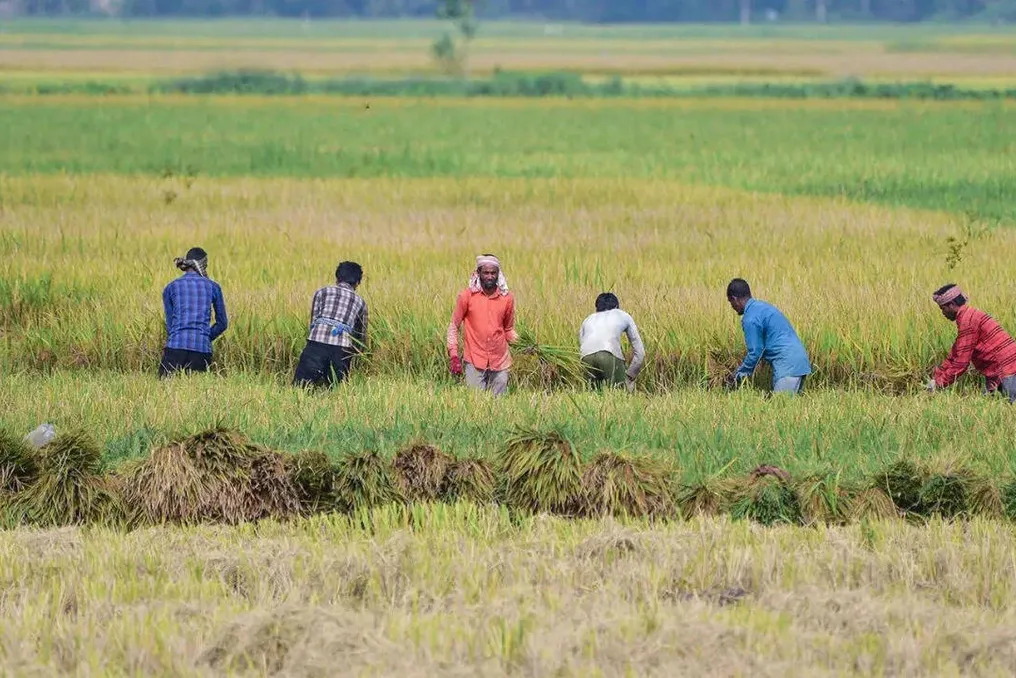
The signatories of the appeal called upon fellow ecologists to strengthen and expand scientific monitoring efforts to better understand the consequences of extreme climate events for the natural world and associated social systems. They warned that a strong El Niño could trigger drought and intense heat, putting pressure on farmers, fishermen, and pastoralists. Furthermore, they pointed to coral bleaching and death, an increase in forest fires, and the loss of large tropical trees.
The appeal also highlighted less noticeable ecological changes, including shifts in animal behavior and delayed fruiting. The signatories emphasized that such subtle impacts on India's nature, such as changes in animal behavior or slowed fruiting, can be just as significant but less obvious unless specifically sought out.
A climatologist from the Indian Institute of Tropical Meteorology, Roxy Mathew Kolle, told the news agency PTI that the upcoming period should be used both for tracking and protecting vulnerable ecosystems. He stated: 'We must document these changes as they develop, but also protect the remaining ecosystems and reduce the pressure that weakens them.' Kolle added that the knowledge and protection gained during this El Niño will help India prepare for a warmer and more unstable future.