Over 180 ecologists and meteorologists from India have expressed serious concern regarding the approaching powerful El Niño phenomenon. Scientists believe that El Niño, expected in 2026–2027, may be significantly more intense than in normal years, and this could deeply affect India's forests, rivers, seas, mountains, and wildlife.
Experts have urged the government, research institutions, and foundations to begin preparations immediately. They insist on the necessity of creating monitoring and data collection systems in advance to avoid a situation where research is conducted only after damage has occurred. This study was published under the title 'The Emergence of Super-El Niño on the Genodo Platform: A Warning and Challenge for Ecologists in 2026/27' on September 16, 2026.
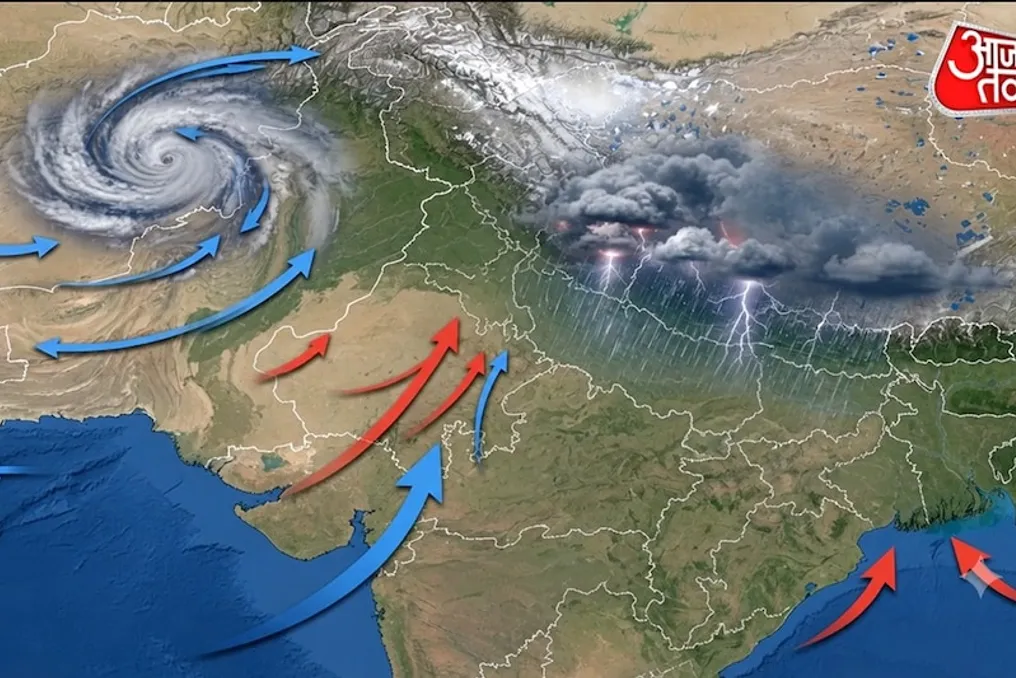
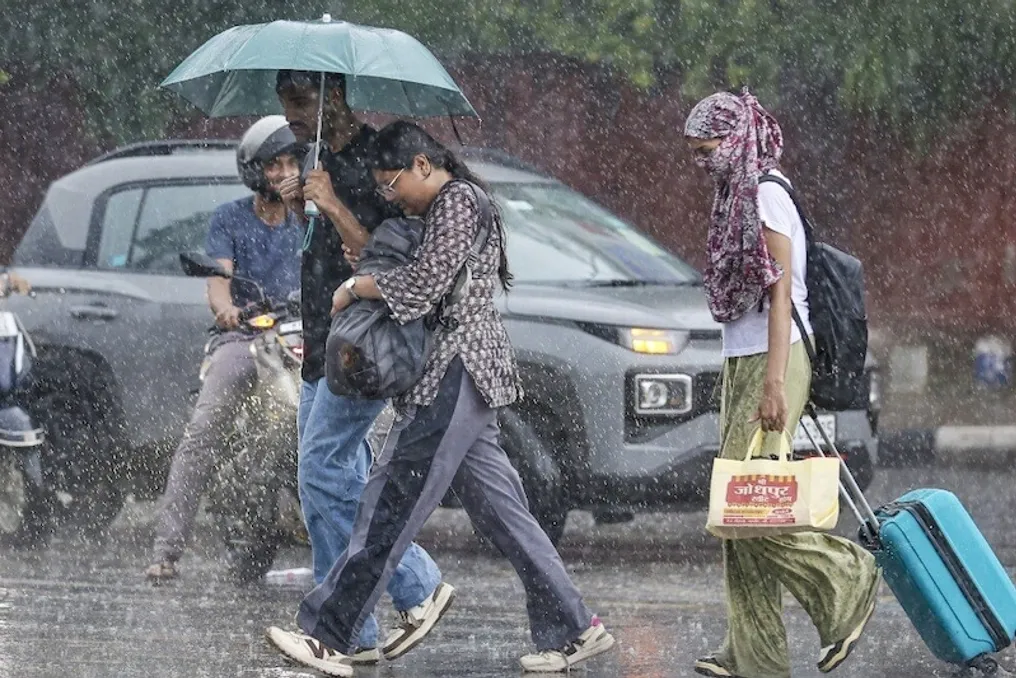
El Niño is a natural climatic phenomenon associated with the Pacific Ocean, characterized by surface water temperatures becoming significantly higher than normal. This phenomenon affects the weather in many parts of the world. In India, El Niño is traditionally associated with weakened or delayed monsoons and rising temperatures, although the impact of each El Niño event is unique.
According to scientists, ocean water temperatures in the Pacific are currently rising abnormally, which requires special attention to the coming months. Since this situation may differ greatly from typical El Niño years, large-scale monitoring is necessary to understand and document its consequences.
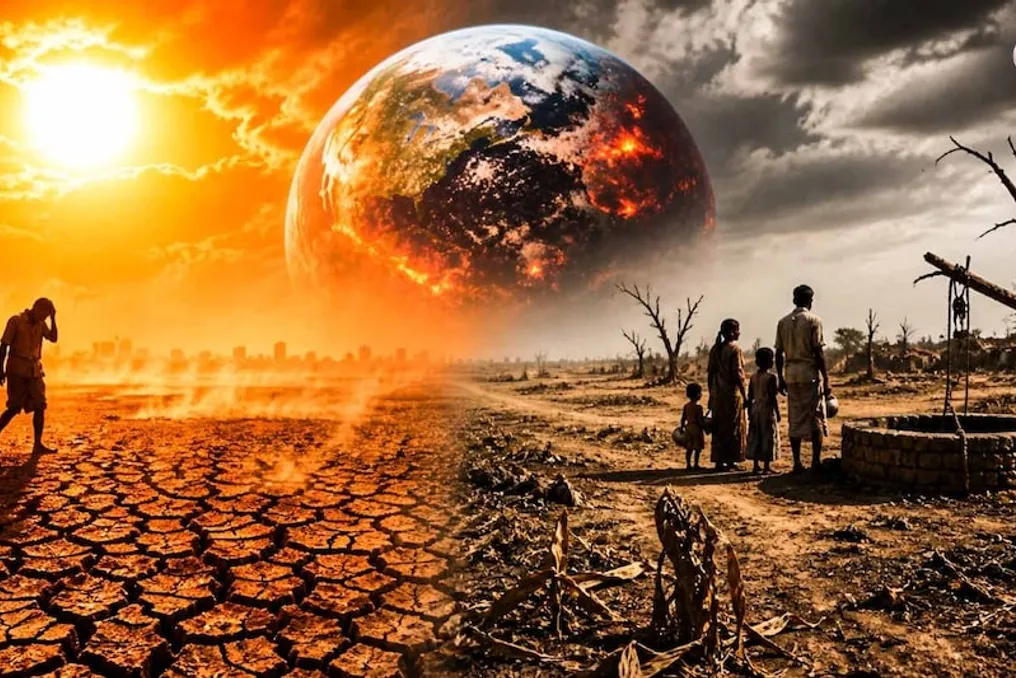
Scientists fear that from November 2026 until next year, many regions of India may experience hotter and drier weather than usual. Reduced rainfall will lead to water scarcity, directly impacting agriculture, forests, and livestock. The most vulnerable areas will be those already suffering from water shortages, including desert and mountainous regions, where conditions will become even harsher for flora and fauna.
The pressure on water resources will not only disrupt agricultural production but also strain the rural economy. Heat stress will also increase in cities, as concrete structures and roads make urban areas hotter compared to surrounding rural areas. Prolonged severe heat poses a serious threat to public health and urban vegetation.
The risk of forest fires increases due to constant heat and lack of moisture. Dry forests can ignite quickly, and the fire can spread for a long time, causing significant damage not only to plants but also to birds and other wildlife. Weather changes can also affect animal diets, breeding cycles, and habitats, threatening the balance between different species in forests and, consequently, the entire food chain. Scientists believe that without timely strengthening of monitoring, it will be difficult to understand and document these changes.
The impact of El Niño is not limited to land. Rising water temperatures in marine areas around India can lead to marine heatwaves. Excessive water heating causes mass coral bleaching, leading to the weakening and death of corals. Changes in sea temperature can also alter fish habitats and food sources, directly affecting fishermen's incomes. Coastal communities dependent on fishing may face financial difficulties, making marine ecosystem monitoring as important as terrestrial monitoring.
Ultimately, the effects of these natural changes are felt by ordinary people. Farmers, fishermen, and herders are heavily dependent on weather conditions. Reduced rainfall and increased temperatures can negatively affect agriculture, while reduced grass in mountainous areas will create feed problems for livestock. Scientists emphasized that instead of studying consequences after damage, preparation must occur beforehand. For this, it is important to continue old research and long-term ecological surveys.
A request has been made to establish small local weather centers, track temperature and humidity, and strengthen cooperation among scientists from different states and regions. By using old satellite data, it is possible to try to understand how various ecosystems function under normal conditions. Experts note that if research groups cannot reach locations in time, many important changes occurring during this unusual season may be lost forever. Although El Niño cannot be stopped, one can prepare to understand its consequences and preserve the scientific information gained from this phenomenon. The coming months may be extremely important for ecological and climate research in India, and prioritizing monitoring and research will help not only mitigate damage but also...