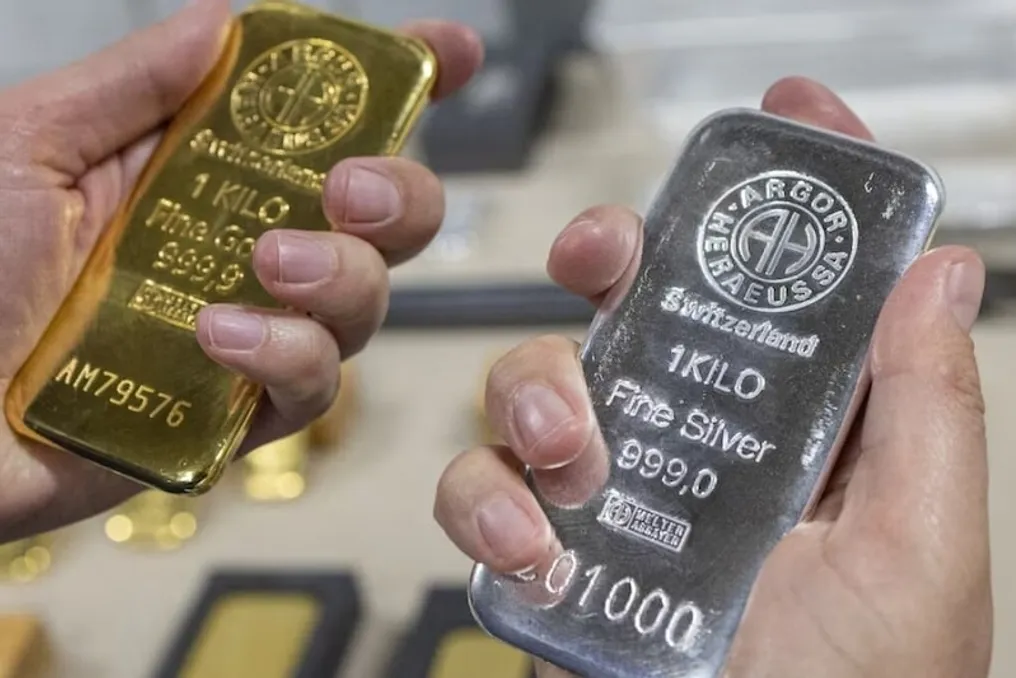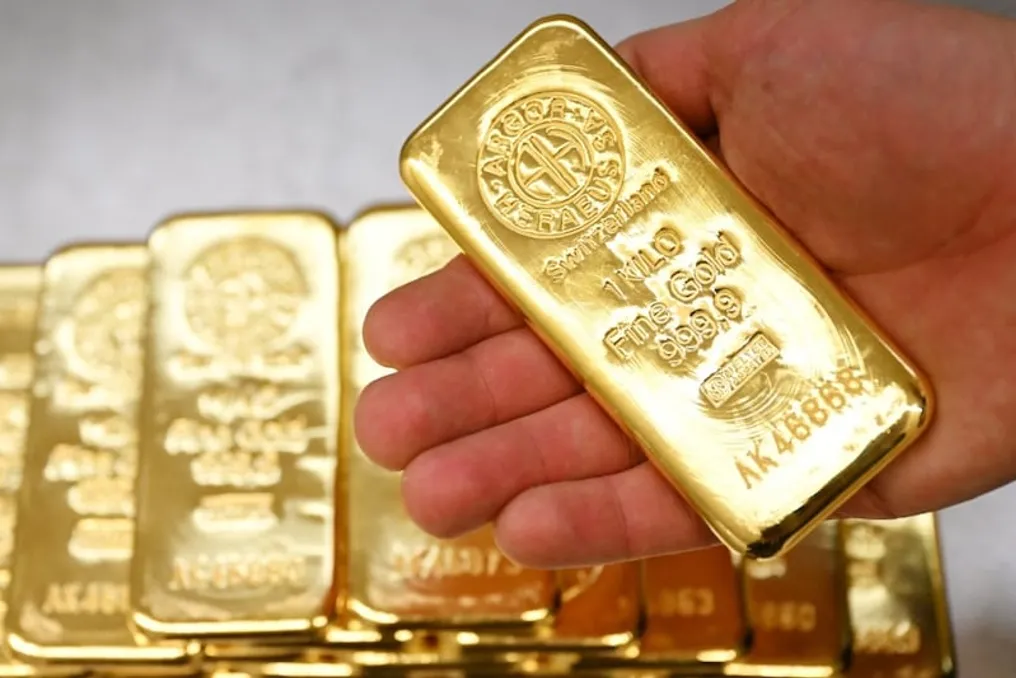
The price of gold showed significant growth in August, but experienced a decline in September. Nevertheless, JPMorgan analysts suggest that the precious metal could resume rapid growth in the near future.
The American financial company JPMorgan predicts that the international gold market will reach the $5000 mark. The company also explained the factors underlying this forecast.
Despite the sharp surge in gold prices on both the international and Indian commodity markets in August, price dynamics softened in September. According to data from the World Gold Council (WGC), the global price of gold fell by 3.9% in September, and the drop in India was 4.6%.
Currently, the price of gold on the Comex is around $4400 per ounce. At the same time, on the Multi Commodity Exchange (MCX), the price of 10 grams of pure gold as of the end of last Friday, with an expiration date of October 5, reached 154,263 rupees.
JPMorgan experts believe that a number of structural factors support the potential for a sharp rise in gold by mid-2027. JP Morgan specialists expect a further increase in the value of this precious metal in the medium term. They predict that by the end of 2026, the price of gold could reach $4500 per ounce, and by mid-next year, its value on the international commodity market will reach $5000.
Analysts cite several reasons for the long-term increase in gold prices, including the weakening of the US dollar, continuous gold purchases by central banks, and geopolitical tensions. Since the international gold market is denominated in dollars, the fall of this currency increases purchasing power in many countries, stimulating demand and pushing the price up.
Furthermore, the incessant acquisition of gold by major central banks, such as China, is a significant factor driving up the metal's price. In conditions of military conflicts, sanctions, and trade disputes, gold, which serves as a safe haven, enjoys increased demand, which also contributes to its rising value.
JPMorgan experts noted that active gold purchases by central banks, weak labor market data in the US, and new concerns about the currency have significantly contributed to the gold price rising above the $4400 mark. However, the path to $5000 is not direct and will depend on dollar fluctuations, central bank activity, and changes in investment strategies. Concerns about growing US government debt also influence gold's rise, creating a favorable atmosphere for long-term investments in gold.
Prior to the JPMorgan forecast, Jefferies also set an ambitious target for the gold price. In the last business day, Chris Wood, Global Head of Equity Strategy at Jefferies, stated that gold could double from current levels. According to Wood, the price of gold could reach $10,000 per ounce, representing a 130% increase from the current level. He suggested that the weakening of the dollar, caused by attempts to control US Treasury yields, could benefit the gold exchange rate.