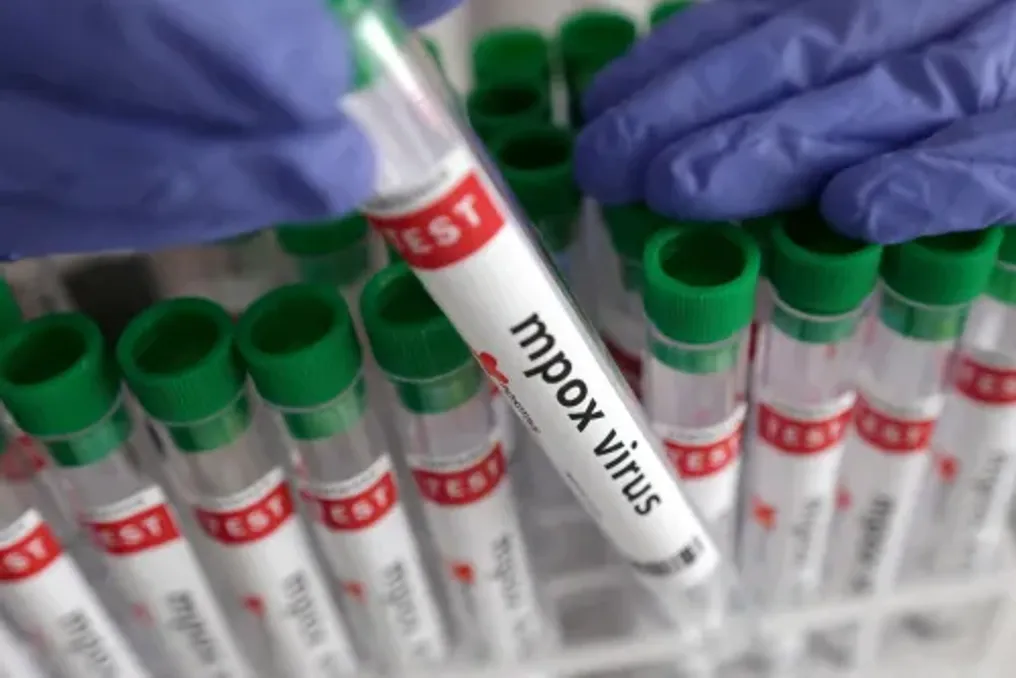
Western Cape health workers are conducting contact tracing after Mpox cases were linked to two different gatherings in the province. Medical staff are attempting to locate individuals who attended these events because Mpox-infected people came into close contact with others.
This warning comes as the Western Cape accounts for 15 out of 18 confirmed Mpox cases in South Africa, with most infections registered in Cape Town.
Ednah Baloyi, an employee of the Western Cape Department of Health, stated that 'there were two events, exposure events, that primarily led to these Mpox cases.'
Currently, medical teams are tracking people who attended the gatherings, testing potentially exposed individuals, and ensuring timely treatment for those who test positive for Mpox.
Baloyi emphasized: 'We are working very hard to monitor these two clusters, specifically the contacts involved in this exposure event, conduct testing, and treat them promptly when they test positive for Mpox.'
Symptoms to Watch For
These new details emerged as health authorities attempt to halt further spread of the infection following a sharp rise in cases over the past month.
As of September 17, 18 confirmed and one probable case had been recorded in South Africa. The National Department of Health noted that thirteen cases were recorded between August 13 and September 17, indicating that the virus is being transmitted between people locally.
Affected individuals are aged between 23 and 50. Western Cape health workers strongly advise residents to look out for unexplained rashes, sores, or skin lesions, especially if they have been in contact with anyone who may be infected with Mpox.
Other possible symptoms include fever, headaches, muscle aches, and fatigue. Mpox is primarily transmitted through close physical contact with an infected person, including contact with their skin lesions, scabs, or bodily fluids. The virus can also be transmitted through items such as bedding, clothing, and towels used by the infected person.
Available Vaccines and Treatment
Everyone developing symptoms was advised to avoid close physical contact with others and seek medical attention. Dr. Sadiq Karim, Chief Operating Officer of Western Cape Health, stated that people suspecting Mpox should seek medical care instead of waiting for symptoms to worsen.
South Africa has also received limited supplies of the MVA-BN Mpox vaccine and the antiviral drug Tecovirimat with support from the World Health Organization. Vaccines are administered based on the individual's risk level and whether they have been exposed to the virus, while individuals who test positive are advised to isolate until their skin lesions heal.