Kim Yo Jong, Director of the Central Committee of the Workers' Party of Korea and sister of North Korean leader Kim Jong Un, spoke out against resolutions published on the website of the International Atomic Energy Agency (IAEA), calling them 'fabrications' aimed against the DPRK republic.
According to the Korean Central News Agency, Kim Yo Jong stated: 'Under no circumstances will we recognize any resolutions fabricated within the IAEA field and directed against the republic.'
According to Kim Yo Jong's assertion, the IAEA adopted a 'meaningless and ineffective' resolution on September 17, ignoring the actual situation and questioning the legality of the DPRK's nuclear activities. She added that such documents are prepared annually at the initiative of the US and the West and do not affect the republic's status as a nuclear state.
Kim Yo Jong emphasized that the DPRK's nuclear activities, which left the IAEA decades ago, are outside the agency's jurisdiction, and the IAEA has no right to interfere in these activities.
Furthermore, she accused the IAEA of bilateral bias and bad faith, claiming that the Agency conceals South Korea's plans to acquire an atomic submarine and the spread of nuclear weapons by the US.
Kim Yo Jong concluded that 'essentially the IAEA is an American Atomic Energy Agency, and the international nuclear non-proliferation regime has turned into a US-led nuclear non-proliferation regime.'
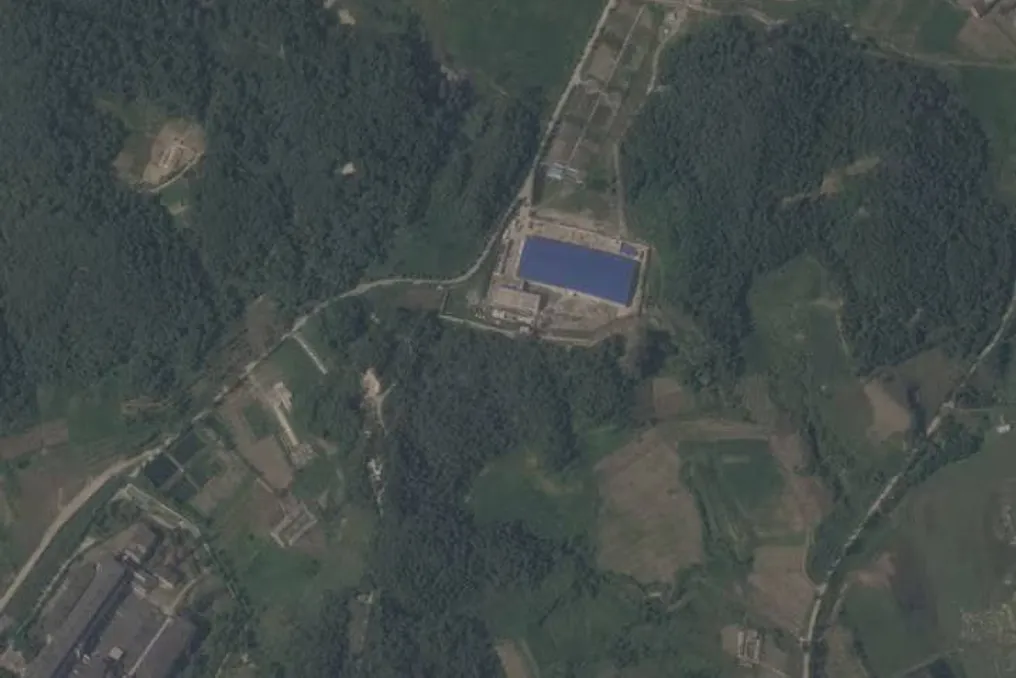
According to an IAEA report from August 28, the Agency noted the further development of the DPRK's nuclear infrastructure; specifically, two new two-story uranium enrichment facilities were identified in Yeonbong. Photographs published by the DPRK showed that cascades of gas centrifuges, capable of housing up to 28 such cascades, were installed in the upper and lower floors of the main building.
The IAEA also reported that additional equipment would be launched at the Kansong uranium enrichment facility, completed in 2024, starting in January 2026. The Agency insists that it does not have access to DPRK nuclear facilities and conducts its work based on available information, including commercial satellite imagery.