When booking train tickets, passengers often carefully check the trip details and their personal information, but the age in the corresponding field is sometimes filled out carelessly, which can lead to problems. Sometimes the age figures may differ, creating complications.
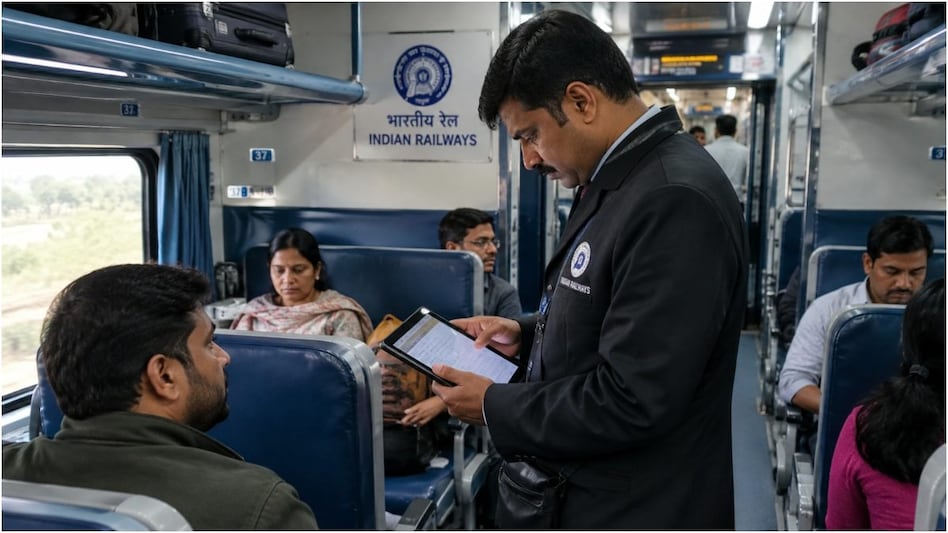
Although conductors (TTE) usually do not pay special attention to this, according to the set of rules, a fine may be imposed for such a discrepancy. Therefore, it is important to know what rules the railway establishes regarding age.
According to the established rules, the age indicated on the ticket must match the age in official documents. The railway company advises passengers to check their ticket details after purchase and correct any discrepancies before the departure schedule is drawn up and the journey begins, by contacting the nearest PRS point.
If a passenger does not follow this recommendation, and the ticket data does not match the original documents, appropriate measures may be taken. In such a situation, the provisions of Article 138 of the Railway Law of 1989 may be applied. The passenger may then be considered not to have a valid ticket and may be fined.
A similar case was recently discussed. In it, a passenger purchased a ticket but mistakenly entered the age as 1. Subsequently, the conductor took action, and a fine of 7035 rupees was imposed. When a complaint was filed, the railway stated that the conductor was not at fault in this matter and that the actions complied with the rules.
It is generally known that if someone tries to take advantage of benefits by changing their age, measures are taken against them. For example, people used to increase their age to qualify for senior citizen benefits, or decrease their age to use children's tickets.