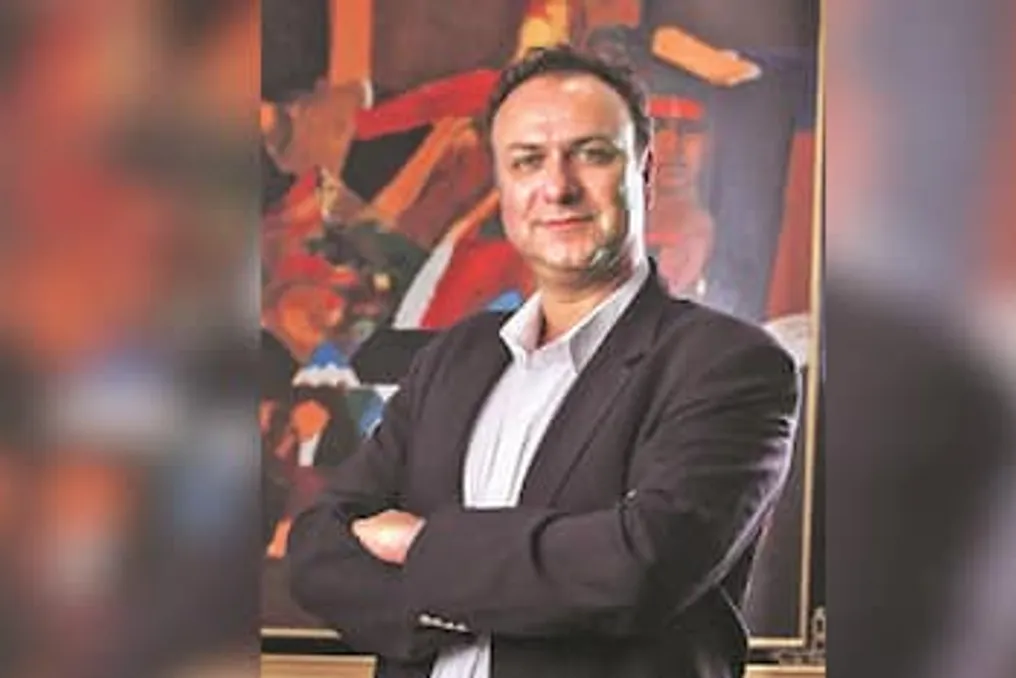
During a meeting of the directors of Tata Sons Pvt., the holding company of India's largest conglomerate, held on September 17 shortly before noon, a decision was made to extend Natarajan Chandrasekaran's term by five years and move forward with plans for a public offering of shares. This decision contradicts the position of Tata Trusts chairman, Noel Tata, who advocated for keeping the group private.
Noel Tata, Chairman of Tata Trusts, which owns 66 percent of the holding company, presented a strategy to keep the company in private hands. He was opposed by Natarajan Chandrasekaran, Chairman of Tata Sons, who had led the closed company for a decade and had previously signaled readiness for an IPO. However, after his reappointment did not receive unanimous approval earlier this year, he decided to cease further struggle.
Nevertheless, the directors of Tata Sons made a surprising decision, voting 4 to 1, to extend his term for another five years and to proceed toward a public listing, which represented a rejection of Noel's stance and deepened the rift within the 158-year-old conglomerate. This dispute has sparked an internal battle that is likely to reach the courts of India and the government of Prime Minister Narendra Modi.
Tata Sons stated that the issues were resolved, while Tata Trusts called the vote on Chandrasekaran's extension 'illegal.' This controversy surrounding the leadership of Tata Sons creates uncertainty at a time when the group is implementing major projects for India, including plans to expand Apple Inc.'s local iPhone manufacturing and build India's first chip factory.
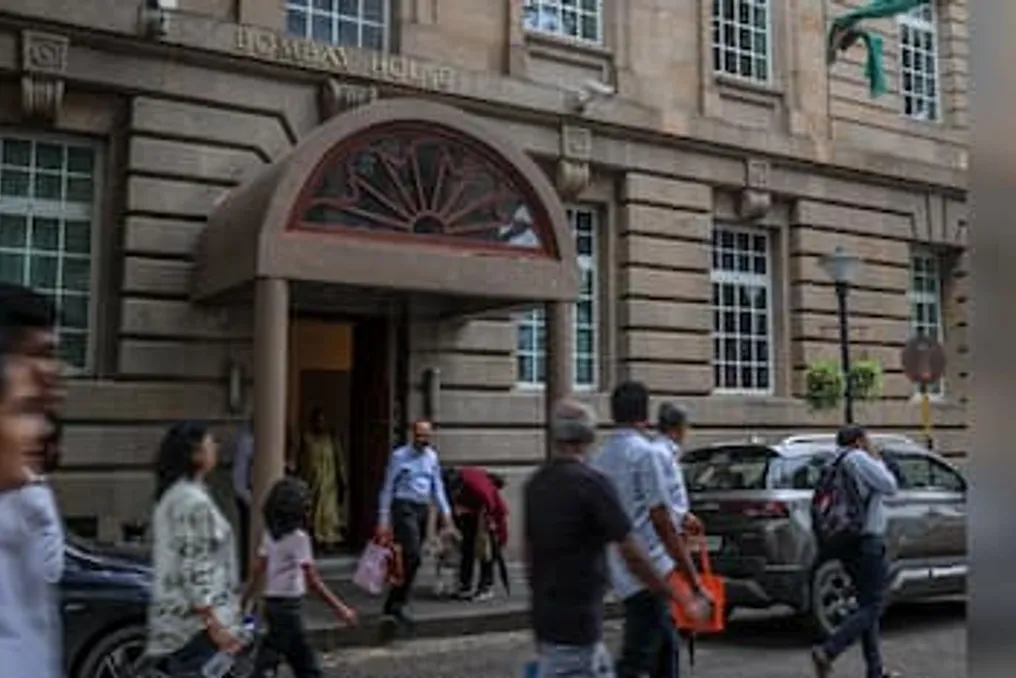
Tension among the directors had been building up until the meeting at Bombay House, the group's headquarters in Mumbai. Events began six days before the meeting, on September 11, when the Reserve Bank of India rejected Tata Sons' petition for exemption from the regulatory path requiring a public offering. Just the day before the meeting, one of the trusts unsuccessfully tried to prevent its representative director, Ven Srinivasan, from attending the meeting and voting on the board's proposals.
The first hour of the key meeting was dedicated to discussing routine business matters, such as quarterly reports. The discussion then shifted to the Reserve Bank of India's decision, and the atmosphere changed due to the seriousness of the topic being discussed. Noel explained why the position of keeping the company private could be defended, without raising his voice or showing hostility.
His proposal was to ask Tata Sons to approach the regulator, request a hearing with senior officials to defend its position, and use all other legal means. If these attempts failed, he argued that the company could request at least three more years to comply with requirements, as listing would require extensive corporate approvals and financial preparation.
The fate of the Tata Sons structure as a closely held organization is linked to the death of Ratan Tata, the former patriarch of the group and Noel's half-brother, in October 2024. Seven months before his passing, the Tata Sons board unanimously decided to remain private. Tata Trusts publicly confirmed this decision on Thursday.
Since then, the company has spent about 20,000 crore rupees ($2.1 billion USD) on debt repayment and balance sheet improvement, attempting to shed the regulatory status that might force Tata Sons onto the stock exchange. However, after Ratan's tenure, the conglomerate has faced growing pressure from other stakeholders, especially the central bank, to take Tata Sons shares public.
Shapoorji Pallonji Group, the second-largest shareholder of Tata Sons, separately insisted on listing as a way to create liquidity for its stake. Proponents of listing, including the SP Group, argue that it will increase transparency and accountability, and create a mechanism for shareholders to unlock value. Nevertheless, it could also dilute the Trusts' influence on the company and limit its ability to make decisions shielded from intense scrutiny by investors and regulators.
Internal debates over listing became a proxy battle for power between Noel Tata and Chandrasekaran regarding who would control the group at a critical juncture. Besides Noel Tata and Chandrasekaran present at Bombay House, there were Srinivasan, honorary chairman of the Indian motorcycle manufacturer TVS Motor Co., and, like Noel, the nominee of Tata Trusts on the Tata Sons board. Also present were former Unilever executive Harish Manwani, Tata Sons CFO Saurabh Agrawal, and former World Bank executive Anita Marangoli George. These three joined Srinivasan to ultimately vote against Noel's position.
In his carefully formulated report to the board, Noel insisted that Tata Trusts had already decided to keep Tata Sons private two years ago under Ratan, and that the charitable organizations controlling two-thirds of the company should be given a chance to consider any deviation from this policy before the Tata Sons board took any action.
As an alternative, Noel proposed a plan from Shapoorji Pallonji Group to sell part of its 18.4 percent stake in Tata Sons. The plan involved a buyback of SP shares in two tranches over 18 months, which would provide the group with at least 25,000 crore rupees ($2.6 billion USD) in cash without forcing Tata Sons to go public. Noel stated that the buyback could be financed through internal funds, the sale of stakes in public Tata companies, external investment in new ventures, and possible listing of some group subsidiaries.
In defending his position, Noel also presented a written legal opinion from a former Chief Justice supporting the Trusts' interpretation of provisions governing the appointment and reappointment of the Tata Sons chairman. However, informed sources reported that the board refused to officially include this written opinion in the minutes. Subsequently, Manwani, Chairman of the Board's Nomination and Remuneration Committee, presented a resolution calling for the extension of Chandrasekaran's role for another five years. Chandrasekaran abstained and left the room while the other directors considered his future.
Noel voted against the extension, arguing that Chandrasekaran's decision on August 12 to step down further had been clearly communicated and accepted, and informed the board that 'the page has turned.' He added that employees, creditors, and capital markets had already reacted to the leader's departure, and reversing this decision would be destabilizing. He also cited Article 121 of the Tata Sons constitutional documents, asserting that any decision regarding the appointment or reappointment of the Tata Sons chairman requires the support of the majority of directors appointed by Tata Trust.
However, two nominees from the Trusts were divided: while Noel opposed extending Chandrasekaran's term, Srinivasan supported it, leading to a 1:1 vote within the Trusts. Noel attempted to use his special authority as Chairman of Tata Trusts again, but the others continued to support Chandrasekaran for an additional five years. The board, excluding Noel, also supported the proposal to move forward in line with the central bank's requirements.
Approximately three hours after the meeting began, the directors had lunch. Noel lost the decisive votes in the boardroom, and the battle had moved beyond the fourth floor.