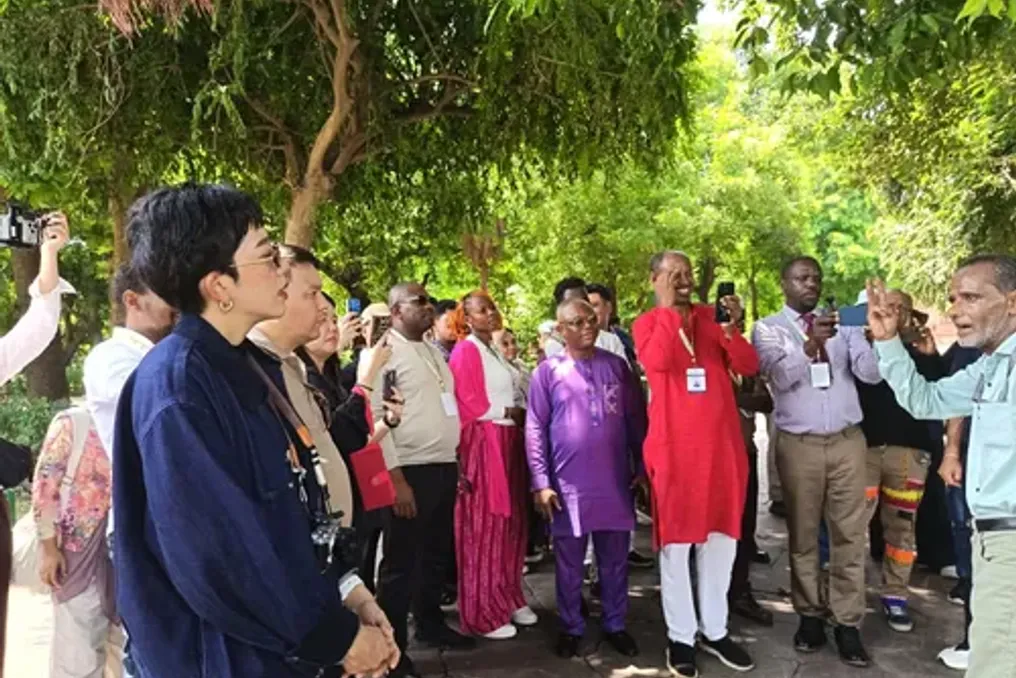
Traveler Amit Datta describes the dynamic picture of Indian cities, where luxurious neighborhoods coexist with hardship and struggle. During his trip through New Delhi and Mumbai, the author felt a vivid contrast between these two large Indian metropolises and his hometown.
Residents of South Africa are familiar with the complexity of driving in central Johannesburg, where taxis, private cars, and city buses compete for the road. However, in New Delhi and Mumbai, the competition between different modes of transport is also very high.
From the first steps on the roads, one is struck by the constant flow of scooters, often carrying entire families, maneuvering in the traffic like experienced drivers. Auto-rickshaws skillfully weave around honking cars, scooters, ride-hailing services, and heavy trucks, while pedestrians contemplate their next move in this complex urban dance. Particularly surprising was the calmness maintained by drivers and pedestrians sharing the roads, smiling instead of honking or showing hostility.
The infrastructure projects and transport dynamics of the two Indian metropolises reflect the country's rapid pace of life. The journey began on a bus from New Delhi to the Taj Mahal—a UNESCO World Heritage site and one of the Seven Wonders of the World. Located in Agra, about 202 kilometers from Delhi, the journey itself was exciting. In the mid-morning on Wednesday, the road turned into a lively spectacle of vehicles vying for space, but it was thrilling—to be part of the city's pulse, an endless stream of life on wheels.
The attraction of the Taj Mahal draws over seven million visitors annually. This monument, built in the 17th century by Mughal Emperor Shah Jahan in memory of his beloved wife Mumtaz Mahal, is an eternal testament to love and craftsmanship. Its architectural splendor represents a harmonious blend of Indian, Persian, and Islamic styles, serving as an oasis that transcends the complexities of time.
