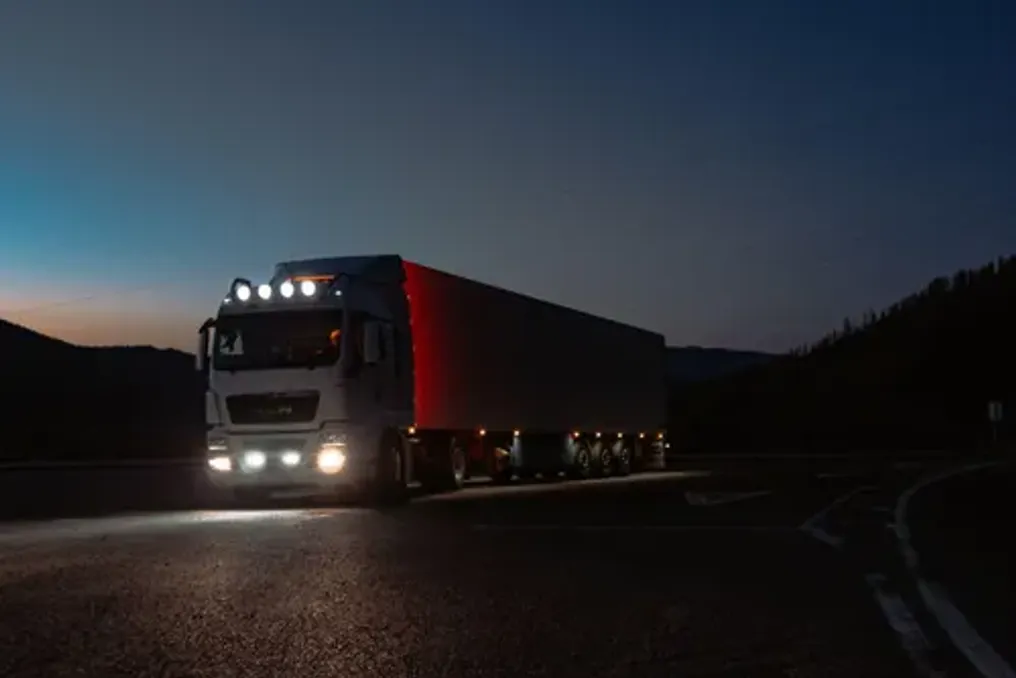
Transport Minister Barbara Crisi launched a national system aimed at improving truck stops and enhancing the safety of freight routes for drivers.
The National Truck Stop System (NTSF) was presented at the Sasol N17 truck stop in the Mpumalanga province, where Crisi outlined plans to standardize truck stop facilities across the country. This system will regulate the planning, classification, investment, and development of truck stops along major freight corridors.
The primary goal of the system is to improve safety, enhance working conditions for drivers, and optimize the operation of South Africa's transport network.
Safer Truck Stops
Under this system, truck stops will be assessed and classified based on factors such as lighting, security, parking availability, and available amenities. The Department of Transport noted that this approach will allow drivers and fleet operators to better understand the infrastructure available at various truck stops.
The system also addresses the issue of insufficient suitable stopping and resting places for heavy transport, which can contribute to fatigue, cargo theft, and overall safety risks.
Focus on Preventing Driver Fatigue
Another important aspect addressed by this system is driver fatigue. The department aims to make proper rest a standard part of freight operations, rather than something drivers have to sacrifice due to a lack of suitable infrastructure.
Truck stops are expected to play a more significant role in ensuring driver well-being, including conducting medical checks, raising fatigue awareness, and supporting road safety.
Women in the Freight Sector
The system also pays attention to creating conditions for women working in the automotive transport sector. Assessments of existing truck stops revealed gaps in infrastructure that accounts for gender-specific needs, such as sanitary facilities, private showers, and properly lit areas.
The initiative includes plans to collaborate with SETAs, educational institutions, and transport companies to ensure driver training, licensing, mentorship, and provide opportunities for women in leadership roles.
Supporting Freight Transport
The department stated that properly developed truck stops can stimulate economic development in adjacent communities through the opening of businesses such as food points, vehicle service stations, and other services.
The system also considers future technologies, including digital booking and access systems, as well as infrastructure that can eventually support clean energy commercial transport. The need to improve freight management is particularly evident near major transport hubs, such as Richards Bay in KwaZulu-Natal. The Gate Zero station handles about 1000 trucks daily and helps prevent long queues affecting the N2 and R34 routes.
Implementation
Crisi emphasized that the success of the system will depend on the quality of its implementation. The Department of Transport will engage with provincial authorities, municipalities, state transport bodies, logistics organizations, private operators, and organized labor during the system's rollout. The goal is to transform truck stops into safer and better-equipped facilities while improving conditions for drivers and reducing risks on major freight routes.