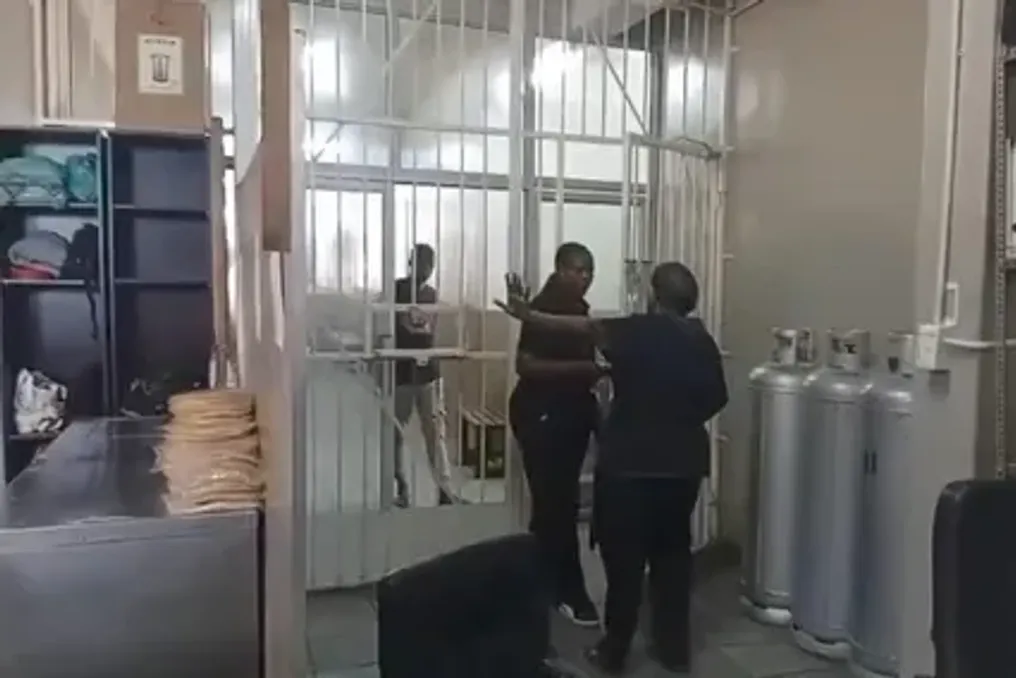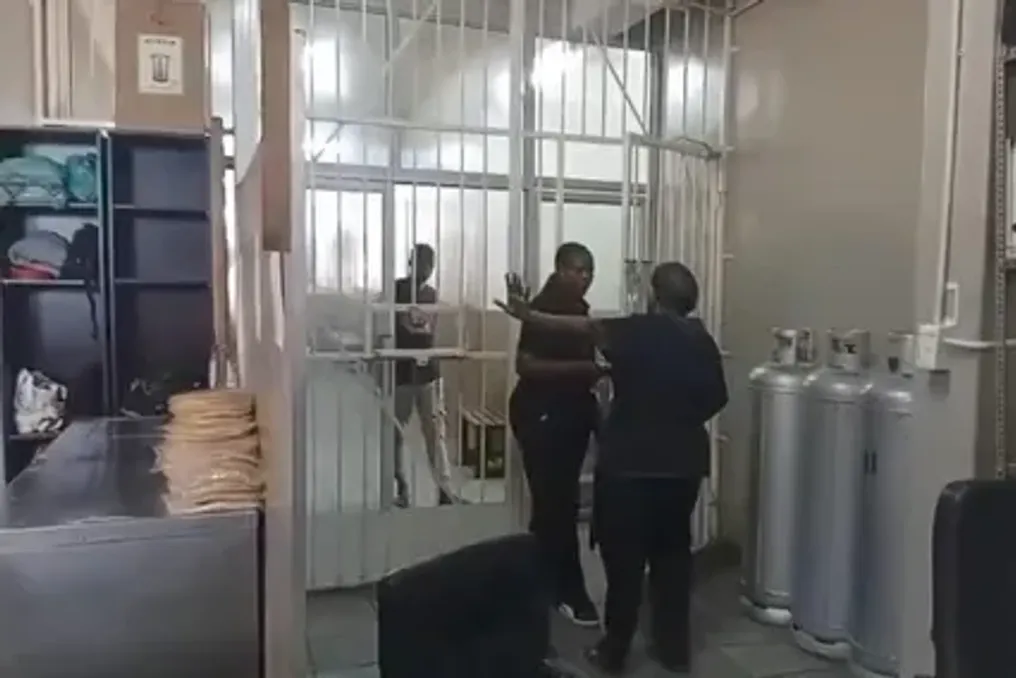
The Nani’s Roti factory in Tongaat has come under the scrutiny of the Labour Law Enforcement Body (LLE) due to alleged unfair labor practices and staff exploitation.
LLE has leveled accusations that factory employees were receiving insufficient wages, and the factory itself did not comply with current sanitary standards. This raid was conducted on Monday following complaints from workers, some of whom are reportedly undocumented foreign nationals.
According to an LLE statement on social media, the factory, which is believed to supply roti to major stores, was inspected by representatives of the body.
Mtobisi Singa, an LLE representative, stated that they visited Tongaat on Monday ahead of a planned march in the area on Thursday. He said: 'We received complaints from workers at Nani’s Roti factory. Upon inspection, we found that they are not adhering to the basic conditions of the Employment Act. Furthermore, we discovered that the owner hired foreigners, and the factory does not meet health and safety standards.'
Singa added that the workers, including undocumented foreigners, are only receiving 3000 rand per month, whereas the law stipulates a minimum wage of no less than 5200 rand. It was also established that employees were not provided with employment contracts, nor were contributions made to the Unemployment Insurance Fund (UIF).
Singa noted that when LLE management contacted the police requesting an investigation into the matter, they were informed that there was no vehicle available to travel to the scene. He emphasized that this raises serious questions regarding the resources and effectiveness of law enforcement in handling such complaints.
LLE declared its intention to continue ensuring compliance with labor laws, protecting the rights of workers, and demanding that employers adhere to South African laws. Another meeting at the factory is planned for Tuesday to further discuss ways to resolve the issues.
Singa also reported that on Thursday, LLE expects about 3000 people to participate in marches through the Tongaat industrial zone, where companies' compliance with labor laws will be checked.