Six South African locations for wildlife viewing from the water
Read more
Getaway
getaway.co.za

Six South African locations for wildlife viewing from the water

Wildlife viewing via boat, canoe, or other watercraft offers a different perspective on the South African landscape. Instead of approaching animals by road, one can observe them from the water while they drink at the banks, move through wetlands, or gather along river shores.

These six locations, where one can see everything from hippos and crocodiles to elephants, dolphins, and colorful waterfowl, turn the journey itself into part of the wildlife interaction experience.

The Kosi Bay lake system in the northern KwaZulu-Natal province is one of the country's unique spots for water-based wildlife observation. Channels connect four interconnected lakes before they flow into the Indian Ocean, forming a labyrinth of waterways surrounded by coastal forests, wetlands, and dunes.

A boat trip through these lakes can lead to encounters with hippos, crocodiles, and flamingos, while birdlife includes kingfishers, herons, and African fish eagles. The water also allows viewing the traditional Tonga fishing traps woven into the channels and still used in local fishing.

The combination of wildlife, wetlands, and cultural history gives Kosi Bay a completely different feel compared to a typical boat safari. It is worth noting the traditional fishing traps between the lakes and bringing binoculars to observe the abundance of birds.

Joziini Lake, also known as Pongolaport Dam, offers one of the most unusual combinations of water-based wildlife viewing and large animal territory in South Africa. The lake borders the Pongola Reserve, allowing visitors to observe animals along the shoreline during boat cruises rather than from traditional safari vehicles.

Animals encountered may include hippos, crocodiles, elephants, antelopes, and various waterfowl. The surrounding Ubombo and Lebombo mountains add another layer of experience, while the lake itself is famous for tiger fishing. Boat cruises are particularly atmospheric early in the morning or late in the afternoon when wildlife comes to the water.

During special boat wildlife tours, it is advisable to watch the shoreline for elephants coming to drink or entering the water.

Mokolo Dam, located within 4600 hectares of bushveld in the Waterberg region, offers a quieter alternative to some of the more well-known wildlife destinations in South Africa. The dam is surrounded by wooded hills and is part of the wider Waterberg landscape.

Activities at Mokolo include boating and birdwatching, and hippos and crocodiles inhabit the dam itself. Therefore, this is a place where wildlife should be observed from a safe distance, not treated as a swimming or watersports location.

The area is particularly appealing to travelers who value the combination of open water and classic Limpopo bushveld. From the boat, the focus shifts to the shoreline where birds and other animals move between the water and the surrounding vegetation. Binoculars are recommended for birdwatching, and maintaining a respectful distance from the water's edge where hippos and crocodiles are found is advised.

Knisna offers a completely different wildlife viewing experience, shifting the focus from freshwater animals to marine and estuarine fauna. The Knysna Lagoon is essentially an estuary and is renowned for its exceptional biodiversity. Boat trips through the lagoon and past the Knysna headlands can lead to encounters with dolphins, seals, and numerous seabirds, while offshore excursions allow whale sightings during the season.

This area is especially good for bird lovers, as the wider Knysna region supports hundreds of bird species. Boat tours also provide a different angle on the landscape, with wooded hills rising around the waterways.

During whale season, typically from June to November, Southern Right and Humpback whales can be seen along the coast, and dolphins are present year-round. When cruising the lagoon, it is recommended to bring binoculars and scan the shoreline for dolphins and seabirds. If visiting between June and November, an offshore trip past the headlands is worth considering.

The Keurboom River near Plettenberg Bay offers a more intimate view of wildlife. Instead of venturing into open water, boats travel upstream through a landscape composed of local forests, riverbanks, and mountainous scenery.

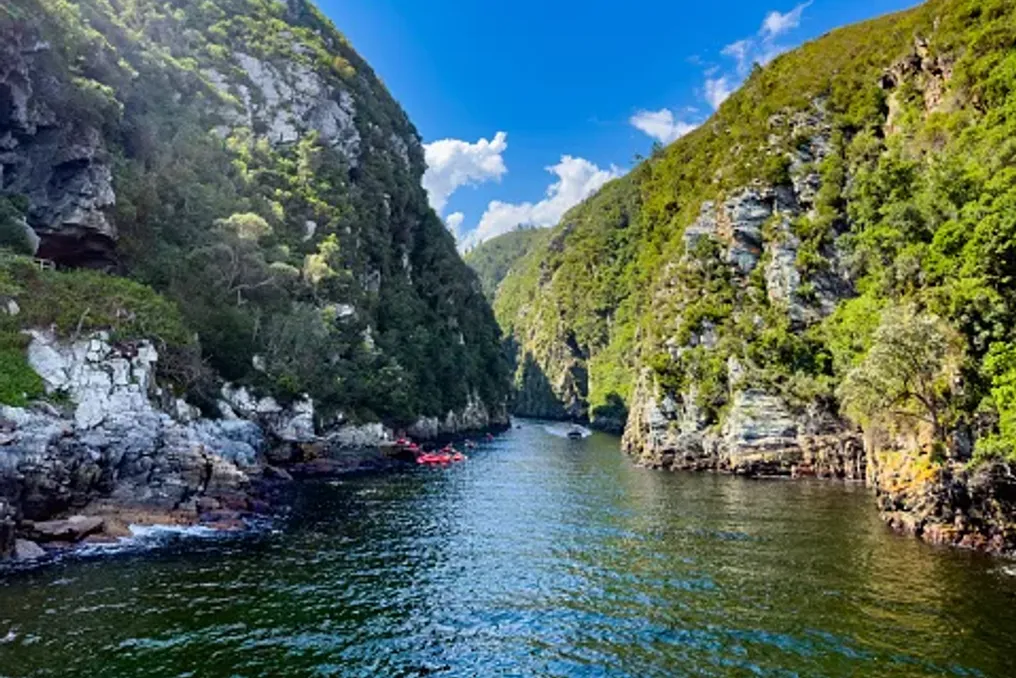
The Keurboom River Nature Reserve is accessible by water, and boat trips travel several kilometers upstream. Along the way, guides point out birds and animals in the surrounding forest, including vervet monkeys, Knysna toucans, and fish eagles. The amber-yellow water of the river and the steep, wooded surroundings make this journey as memorable as the wildlife viewing itself. It is also a reminder that wildlife viewing does not always have to involve encountering the Big Five.

It is necessary to watch not only the water but also the treetops and riverbanks, as forest birds and monkeys are easier to spot from a slowly moving boat.

The waterways around Wilderness offer one of the most tranquil ways to experience wildlife from the water. Canoeing along the Tuu River takes visitors through local forest and a network of lakes and wetlands in Garden Route National Park. The surrounding lakes, including Rondewalle, Langwalle, and Eilandwalle, are part of the internationally recognized Ramsar wetland system. They support a wide range of aquatic and wetland species such as grebes, herons, grey herons, waders, kingfishers, ducks, and cormorants.

Paddling rather than motoring also changes the impression. A more relaxed pace makes it easier to notice birds moving among the reeds or perched on trees along the river. A canoe trip on the Tuu River is recommended, and binoculars should be brought. This area is particularly interesting for bird enthusiasts due to the multiple hides and waterways available for exploration.

The rivers, lakes, estuaries, and coastal waters of South Africa provide another way to see wildlife. A boat can take you to the level of a hippo in Kosi Bay, an elephant drinking at Joziini Lake, or dolphins moving in the waters around Knysna. This experience is also slower; instead of moving from one sighting to the next, you observe the landscape unfolding around you, with the possibility of spotting something unexpected along the bank or above the reeds. Regardless of the choice—an organized boat safari, a quiet river cruise, or a wetland paddle—the water can become as much a part of the wildlife story as the animals themselves.

Similar stories

Five destinations where couples can combine gastronomy and active recreation
Read more
getaway.co.za

Five destinations where couples can combine gastronomy and active recreation

A vacation for couples doesn't necessarily have to be limited to either adventures or enjoying exquisite cuisine. In some picturesque corners of South Africa, you can spend the morning hiking, fishing, or exploring the forest, and then swap athletic shoes for a seat at a farmhouse restaurant, a farm cafe, or a local food market.

These locations allow for easy planning of weekends that combine active leisure, scenic drives, and numerous opportunities to discover local produce, independent restaurants, and memorable dining spots.

Magoebaskloof and the environs of Hennertsburg

Magoebaskloof and nearby Hennertsburg offer a particularly favorable combination of outdoor adventure and culinary delights. The landscape varies from local forests and grasslands to mountain views, and Hennertsburg has become a small hub for coffee and food.

Couples can start the morning with a walk on one of the local trails and then enjoy a leisurely lunch. The Louis Changion Trail starts in Hennertsburg and passes through the Hennertsburg Grassland Reserve, offering routes of varying lengths. A 10 km loop takes about four to five hours at a steady pace.

For those who prefer more adrenaline-pumping activities, Magoebaskloof offers zip-lining, cliff jumping, and canopy tours. Food is an integral part of this region's appeal, not just an add-on after a hike. There are farm stalls, restaurants, and cafes here featuring local harvests. For instance, at Blueberry Heights Farm Cafe, located on a blueberry and organic kiwi plantation, you can find local dishes, while other establishments offer both baked goods and coffee, as well as heartier lunches.

This allows for an easy plan for a couple: adventure in the morning, a long lunch afterward, and the afternoon dedicated to a relaxed exploration of Hennertsburg.

Dallstroom

Dallstroom has long been known for its fishing, but this town in the Mpumalanga province offers enough outdoor activities to make a couple's weekend more fulfilling than just casting a line. Fishing remains one of the main reasons for visiting, as dams and private fish farms provide opportunities for both experienced and novice anglers. Mountain biking is also available, with trails running through the surrounding countryside. Couples who prefer horse riding can explore the hilly landscape of the area with guides.

The result is a destination where daytime activities naturally whet the appetite. For a small suburban town, Dallstroom boasts an unusually rich selection of restaurants. Local establishments offer rustic dishes, trout, tapas, and more modern menus. The city's gastronomic offerings also include bakeries, delicatessens, and cafes. For couples, this means the day can be simple: morning fishing, a daytime village tour, and an evening dinner by the fireplace.

Hogsback

Hogsback seems almost tailor-made for couples who enjoy active yet atmospheric weekends. The village is situated high in the Amatole Mountains, surrounded by local forests, mountain scenery, and waterfalls. Hiking trails wind through this landscape, and bolder visitors can try cliff jumping and other mountain sports. A morning spent on forest trails to the waterfalls provides an adventurous element without requiring extreme physical fitness.

Hogsback also exceeds expectations in terms of dining. The local culinary scene includes pizza, pasta, and more sophisticated gastronomic experiences. There are cozy country restaurants, cafes, and unique dining spots. For example, Touraco Table offers a menu inspired by cuisines such as French, Indian, Thai, Moroccan, Persian, Italian, and South African. This makes Hogsback especially suitable for couples who like to end an active day in a warm and welcoming place, rather than rushing back to accommodation.

Midlands KwaZulu-Natal

The Midlands is more of a collection of country roads, farms, villages, and experiences than a single destination, making it ideal for couples who want to create their own weekend itinerary. The Midlands Meander route covers several scenic paths, combining food, art, countryside, and active recreation. Couples can go hiking, mountain biking, fishing, horseback riding, or take a Karkloof Canopy Tour, and then stop at a restaurant, a farm stall, or a market.

Food is one of the main attractions of the Midlands. The region is known for farm-style breakfasts, artisanal products, restaurants, cafes, and markets where cheese, trout, and other local produce form the basis of the culinary identity. Couples can spend the morning hiking or fishing, then have lunch at a country restaurant, browse local crafts and produce, and then continue their journey for new experiences. The Karkloof Farmers’ Market is also an option for a weekend trip focused on local produce and producers.

The charm of the Midlands is that there is no need to choose between doing an activity and visiting a place to eat; these two aspects are part of the same journey. Plettenberg Bay offers a coastal version of this list, but the focus does not necessarily have to be on lying on the beach. One of the best ways to get to know the area is by walking. Robberg Nature Reserve has several hiking trails, from a short stroll to a more challenging four-hour circular trek, with dramatic coastal views. There are also many options for couples who prefer being on the water: sea kayaking, boat trips, and marine excursions offer a different view of the coastline, and mountain biking and hiking are available nearby. Plett's culinary scene offers couples many ways to treat themselves after an active day. An obvious choice is seafood, but the town also has craft breweries, cafes, restaurants, and food markets. The Off Main Market brings together food vendors, craft beer, coffee, and local produce with a view of the bay. For those more focused on dining, Plett offers everything: from casual seafood joints to more upscale restaurants. This combination works particularly well here: a daytime hike or kayak trip followed by fresh seafood and a drink at sunset.

The appeal of these destinations is that neither side of the trip should dominate. Morning time outdoors gives couples the opportunity to experience something together, whether it's a forest hike, a first attempt at fishing, or exploring the coast by kayak. Food then becomes part of the reward, but also part of the destination itself. This can mean eating local produce bought at a farm stall, visiting a weekend market, or booking a memorable dinner.

Mkhambathi Reserve on the Wild Coast: Where Waterfalls Meet the Indian Ocean
Read more
getaway.co.za

Mkhambathi Reserve on the Wild Coast: Where Waterfalls Meet the Indian Ocean

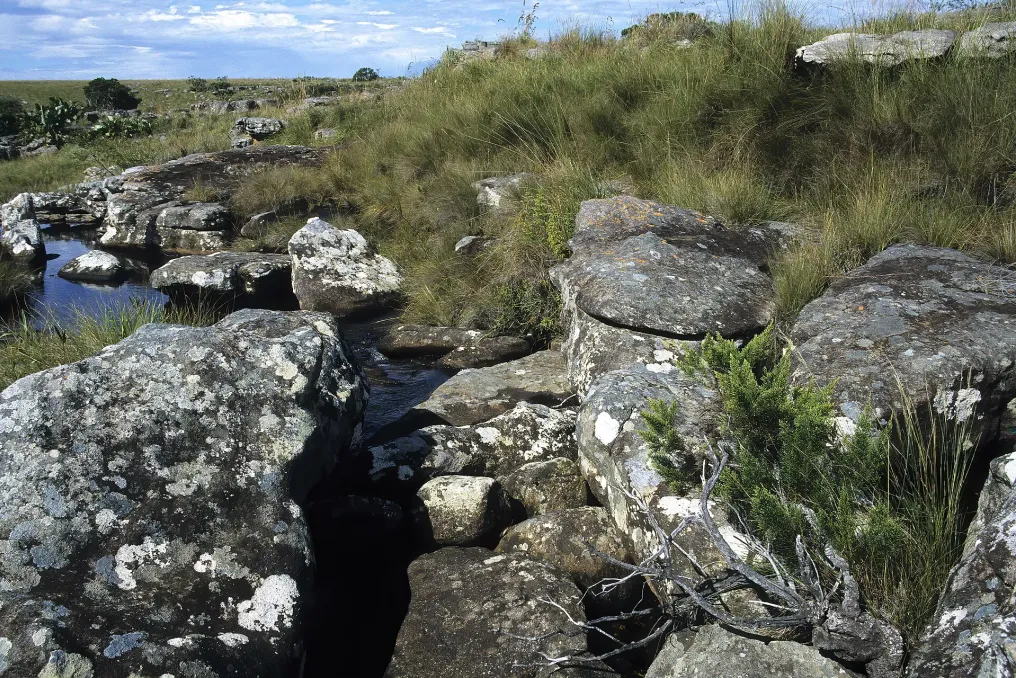
There are places on the Wild Coast where the landscape seems intentionally designed to make visitors pause, and Mkhambathi Reserve is one such place. Here, gentle grasslands give way to forested gorges, rivers carve through the scenery, and waterfalls cascade into the Indian Ocean. The reserve offers secluded beaches, rocky shores, freshwater pools, and ample open space for walks among wildlife, birds, and the sea.

Mkhambathi is also recognized as one of the important conservation areas of the Eastern Cape. In 2025, the reserve was designated as the 31st Ramsar Convention site in South Africa, becoming the first wetland of international importance in the province. This nomination highlights the value of rare wetlands, estuaries, swamp forests, and biodiversity.

To enjoy this place, you do not need to be an experienced tourist or a passionate wildlife enthusiast. Mkhambathi suits both a family looking for simple nature recreation and a couple wishing to spend quiet days by the sea, or anyone wanting to replace screens and city traffic with fresh air.

The waterfalls are likely the most attractive feature of Mkhambathi, and this is not accidental. The Mkhambathi River flows through the reserve, forming a series of pools and cascades before reaching the coast. The most famous is Horseshoe Falls, where the river spills over a sandy terrace in a wide arc. Further downstream, the river plunges through Strandloper Falls and Mkhambathi Falls before entering the Indian Ocean.

Access to Horseshoe Falls is by walking along the Mkhambathi River, which turns the journey itself into part of the experience, rather than just a trip to a viewpoint. The walk allows observation of the grasslands, the river, and the changing landscape as you progress.

Visitors are advised to bring comfortable walking shoes, a swimsuit, and a picnic basket to spend the day following trails, stopping at pools, and finding their own favorite view. It is important to remember that this is still wild territory, not a manicured family attraction. Conditions can change, so visitors must stay on marked routes and follow local instructions.

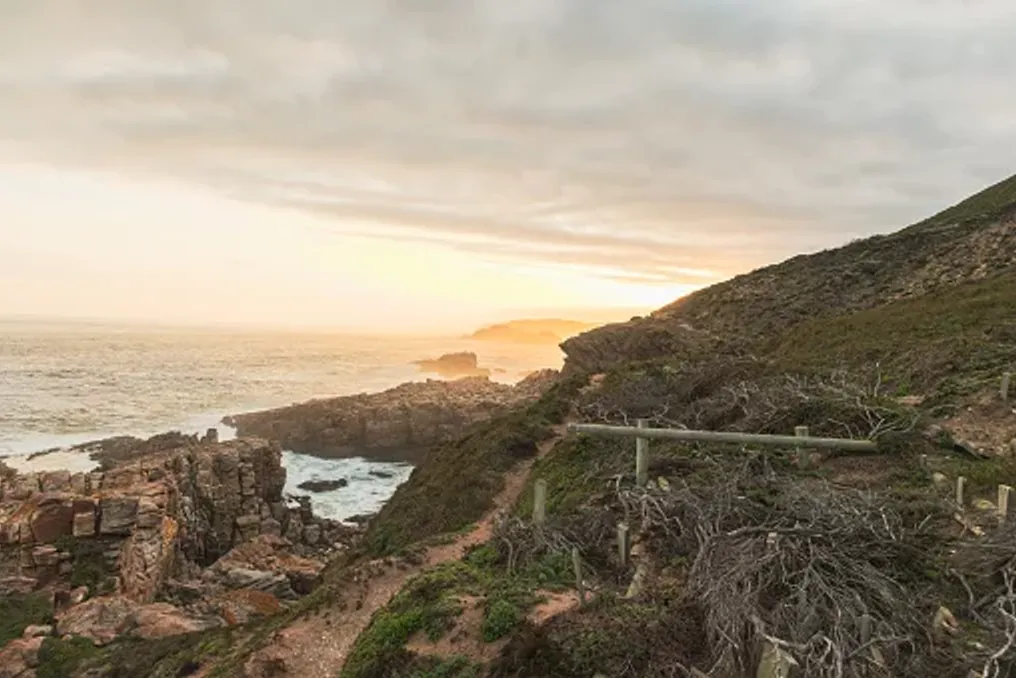
The Mkhambathi coastline stretches for approximately 10 kilometers, featuring rugged rocky beaches and sandy coves framed by grasslands, forests, and open coastal landscapes. There is something captivating about exploring a coastline that remains largely untouched. Shell collecting, photography, walks, and simply finding a quiet spot to sit fit organically into a day here.

Visitors can explore the coast and rock pools; activities such as fishing and diving are available in designated areas and require appropriate permits. Whale and dolphin watching is also among the reserve's offerings, providing another reason to look at the horizon instead of a phone.

For couples, this may be Mkhambathi's most obvious advantage. No pre-planned itinerary is required. A long walk along the coast, a picnic, swimming under favorable conditions, and an evening spent to the sound of the ocean can be enough in this corner of the Wild Coast.

If you enjoy birdwatching, be sure to bring binoculars. The mix of grasslands, forests, rivers, wetlands, and coastal habitats in Mkhambathi supports a great diversity of bird species. Among the registered species in the reserve are the Eurasian nuthatch, Ramero's dove, African fish eagle, crowned eagle, Gurney's sugarbird, great crested sunbird, yellow-breasted longbill, and chirping cisticola.

The Ramsar site status adds another layer of importance. Its wetlands and river systems support vital biodiversity, while the Mtentu and Msikaba gorges serve as habitat for endangered species, including Cape vultures.

Thus, a walk through Mkhambathi is more than just reaching the next waterfall. By observing the grasslands, forests, and river valleys, the reserve begins to reveal another layer of its already captivating character.

Mkhambathi is not a traditional 'Big Five' safari destination. Its appeal lies in the combination of coastal wilderness and wildlife. The grasslands support artificially introduced populations of eland, red gazelles, blue antelope, springboks, and gemsbok, although eland and red gazelles are native to the area.

The open spaces facilitate memorable wildlife encounters, especially when animals appear against the backdrop of the Indian Ocean. Safaris are among the listed activities, although large areas of the wilderness are explored on foot.

This is one of the reasons Mkhambathi feels different from many typical nature retreats. One moment you can watch a herd of antelope on the grasslands, and the next you can look at a waterfall or the sea.

There are many ways Mkhambathi can occupy long hours of your time without making you check the clock. You can hike a trail, practice birdwatching, or swim if conditions allow. You can fish in designated areas with the necessary permits, canoe, explore the coast, or simply sit somewhere with a view and do little.

There is enough here to engage active visitors, but no pressure to fill every hour. This makes the reserve particularly appealing as a refreshing escape from the ordinary pace of life.

For families, it offers the opportunity to spend time outdoors together, offering activities such as hiking, wildlife viewing, waterfalls, and swimming. For couples, the same landscape is ideal for a quieter retreat. And for anyone interested in photography, ornithology, fishing, or nature, there are plenty of reasons to pay attention without needing a structured tour.

The reserve has accommodation options, including Main Lodge and Stone Cottage. Additional lodging options, such as rondavels and larger lodges, are available in the GweGwe area.

Mkhambathi is quite remote, so do not expect many shops and restaurants. You should arrive prepared to spend most of your time outdoors.

This might seem a bit daunting, considering how much time we constantly spend connected and within easy reach of amenities. But that is the essence of Mkhambathi. You come here to disconnect from the noise, spend time outside, and let the landscape set the pace.

Mkhambathi is located on the Wild Coast in the northeastern part of Pondoland, approximately 71 km from Flagstaff. The reserve covers 7,720 hectares of coastal wilderness between Port Edward and Port St John.

Access is via the R61 road and further to Holy Cross Hospital, with the final approach involving gravel roads. This remoteness should be considered when planning a trip. Bring everything you need for the day, ensure your vehicle is suitable for the upcoming roads, and check the latest reserve conditions before departing.

There are also special rules for visitors in Mkhambathi. Activities such as fishing require permits, and certain activities in the protected area need approval. Check the latest information with the Eastern Cape Parks and Tourism Agency before traveling.

The Wild Coast is abundant with spectacular sights, but Mkhambathi combines several of the region's best qualities into one reserve. And now, thanks to its Ramsar site status, there is another reason to pay attention to this corner of the Eastern Cape. Mkhambathi is not just beautiful; its wetlands, estuaries, forests, and grasslands are part of a globally important ecological landscape that deserves protection.

You can come for the waterfalls and stay for the silence. You can come seeking adventure and end the day watching birds. You can come as a family, a couple, or just with a camera and a pair of walking boots. In any case, Mkhambathi is a place that reminds you why the Wild Coast got its name. Here, the best experiences are often the simplest: follow the trail, find the waterfall, look at the sea, and let the landscape do the rest.

Five Cape Town Museums Worth Visiting During Heritage Month
Read more
getaway.co.za

Five Cape Town Museums Worth Visiting During Heritage Month

Heritage Month offers an opportunity to look deeper than just the beaches, mountains, and culinary scene of Cape Town by immersing oneself in the histories that have shaped this city. Cape Town's museums showcase the most diverse facets of the city: from fictional to unexpectedly fascinating, and some are suitable for family outings.

If you plan to explore the history and culture of Cape Town in September, these museums should be included in your list of visits.

Iziko South African Museum

Visiting the Iziko South African Museum gives you a chance to journey through millions of years of South African history without leaving the Company Gardens. The museum's collections cover the natural world, archaeology, and human history, including exhibits ranging from fossils and ancient artifacts to marine specimens and displays of human evolution.

The museum's location allows for easy combination with other attractions in central Cape Town. You can spend the morning at the museum and then head to the Company Gardens or continue exploring other cultural sites in the city.

Address: 25 Queen Victoria Street, Gardens.

Zeitz MOCAA

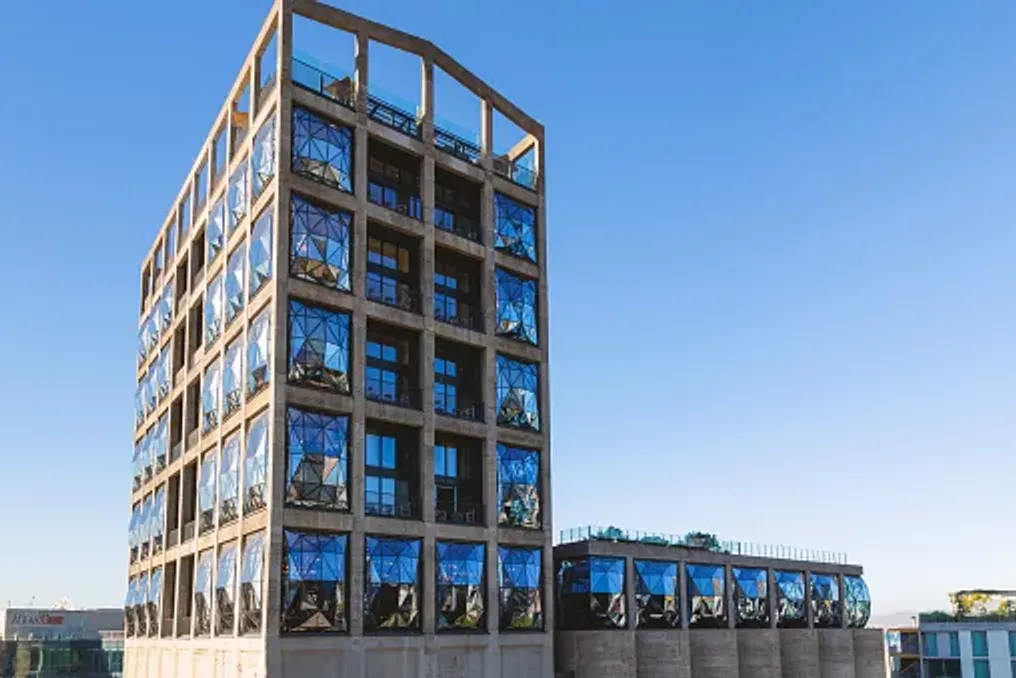
The Zeitz MOCAA focuses on contemporary African creativity and the discussions taking place on the continent and among its diaspora. The museum occupies a historic grain silo complex at the V&A Waterfront, making the building itself part of the exhibition. Inside the gallery, modern works from various countries, artists, and perspectives are presented.

This is a good choice if you want your Heritage Month outing to consider Africa's present and future alongside its past.

Address: Silo District, V&A Waterfront.

District Six Museum

To understand the more recent history of Cape Town, one can start with the District Six Museum, which offers an intimate space. The museum focuses on the experiences of people who lived in District Six before forced removals during the apartheid era changed the area. Personal stories and historical materials help visitors grasp the community that existed there and the consequences of its destruction.

This museum is more focused on listening to memories associated with a place that remains an important part of Cape Town's identity, rather than simply viewing exhibits.

Address: 25A Buitenkant Street, Cape Town CBD.

Heart of Cape Town Museum

Cape Town made a medical breakthrough in December 1967 when Dr. Christian Barnard and his team performed the world's first successful human heart transplant at Groote Schuur Hospital. The Heart of Cape Town Museum preserves the story of this remarkable moment, giving visitors insight into the medical team, the operation itself, and the hospital setting where it took place.

For those interested in science, medicine, or unusual chapters of Cape Town's history, this museum offers a completely different experience compared to the city's artistic and historical collections.

Address: Groote Schuur Hospital, Observatory.

Cape Town Diamond Museum

The history and economy of South Africa have long been closely linked to diamonds, and the Cape Town Diamond Museum provides a brief introduction to this topic. Located at the V&A Waterfront, the museum traces the diamond's journey from its underground origin through mining and the processes of transforming rough stones into polished gems. Exhibitions also include replicas of some of the world's most famous diamonds, including Cullinan.

This is a light addition to a Waterfront route if you want to fit in some history during a day of sightseeing.

Address: The Clock Tower, V&A Waterfront.

Cape Town's museums vividly demonstrate the city's multilayered nature. One visit can take you from prehistoric fossils to contemporary African art, while another can introduce you to personal stories related to apartheid-era displacement or a medical breakthrough that garnered international attention. This Heritage Month, replace your usual trip through Cape Town with a museum visit—perhaps you will leave with an understanding of a completely different side of the Mother City.

Popular