Uzbekistan Discussed Agricultural Product Exports to Europe During Visit to Poland
Read more
UzDaily
uzdaily.uz

Uzbekistan Discussed Agricultural Product Exports to Europe During Visit to Poland

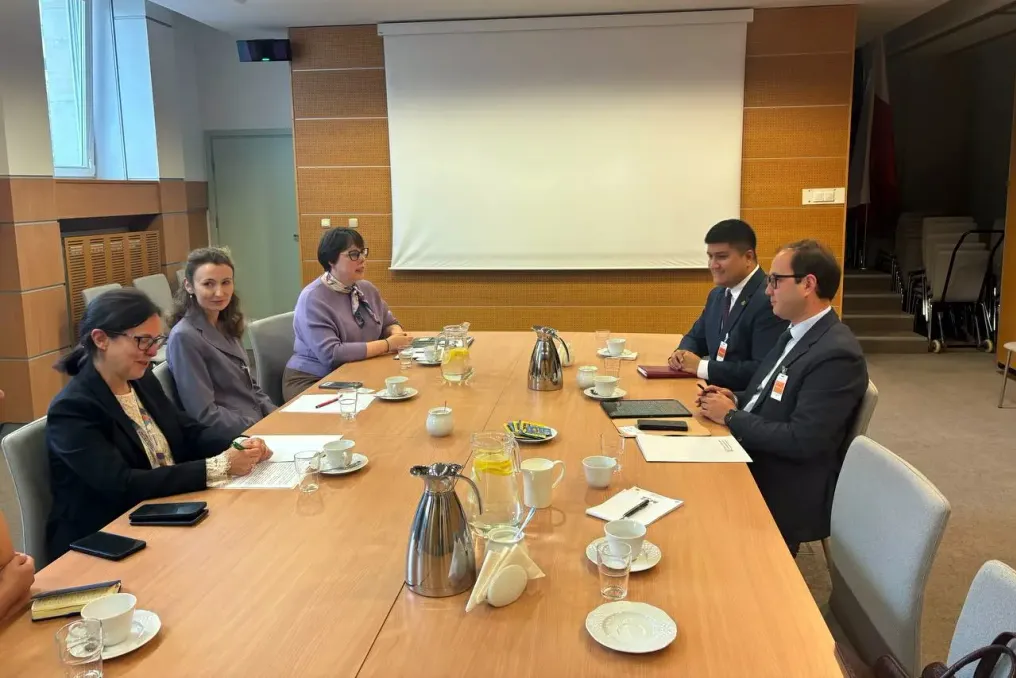
The Ministry of Agriculture of Uzbekistan reported that a working group from Uzbekistan visited Warsaw, Poland, from September 14 to 17. The purpose of the visit was to discuss ways to bring Uzbek agricultural products to European markets, as well as to develop trade and logistics ties and expand bilateral cooperation.

During meetings with the Ministry of Agriculture and Rural Development of Poland, the parties examined promising areas for interaction between the two countries. Special attention was paid to supporting mutual trade in agricultural products, creating joint logistics and trade centers, and developing direct cooperation between scientific institutions.

To study the possibilities of supplying and selling Uzbek products on the Polish market, the working group visited major trade and logistics complexes in Warsaw. Meetings were held with the management of the Bronisze Trade Center, one of the largest wholesale agricultural markets in Central and Eastern Europe, as well as the Praga Gielda trade complex.

Discussions focused on the potential for importing and distributing agricultural products grown in Uzbekistan on the Polish market through these trade complexes. The management of the complexes stated their readiness to provide practical assistance in promoting Uzbek products.

In a meeting with entrepreneurs operating in Poland, the parties discussed the possibility of creating a logistics center to support the expansion of sales for Uzbek companies' goods. An agreement was reached to hold trilateral negotiations on this issue with the participation of the Chamber of Commerce and Industry of Uzbekistan.

Another important aspect of cooperation was staff training and exchange of practical experience. For this, a meeting was held with a representative of the agro-producer Green Crops, where the expansion of internship programs for students from Uzbekistan was discussed.

During the working trip, the group also participated in a conference organized by the Embassy of Uzbekistan in Poland, dedicated to the 35th anniversary of the country's independence. The conference presented the results of reforms carried out in Uzbekistan and the priority directions of the Uzbekistan-2030 strategy.

The main objectives of the visit included strengthening trade and logistics partnership with Poland, opening new market opportunities for Uzbek products, and expanding practical experience exchange programs for students. All meetings and negotiations were aimed at further strengthening agrarian ties between the two countries.
Similar stories

Uzbekistan discusses textile certification requirements for entry into export markets
Read more
uzdaily.uz

Uzbekistan discusses textile certification requirements for entry into export markets

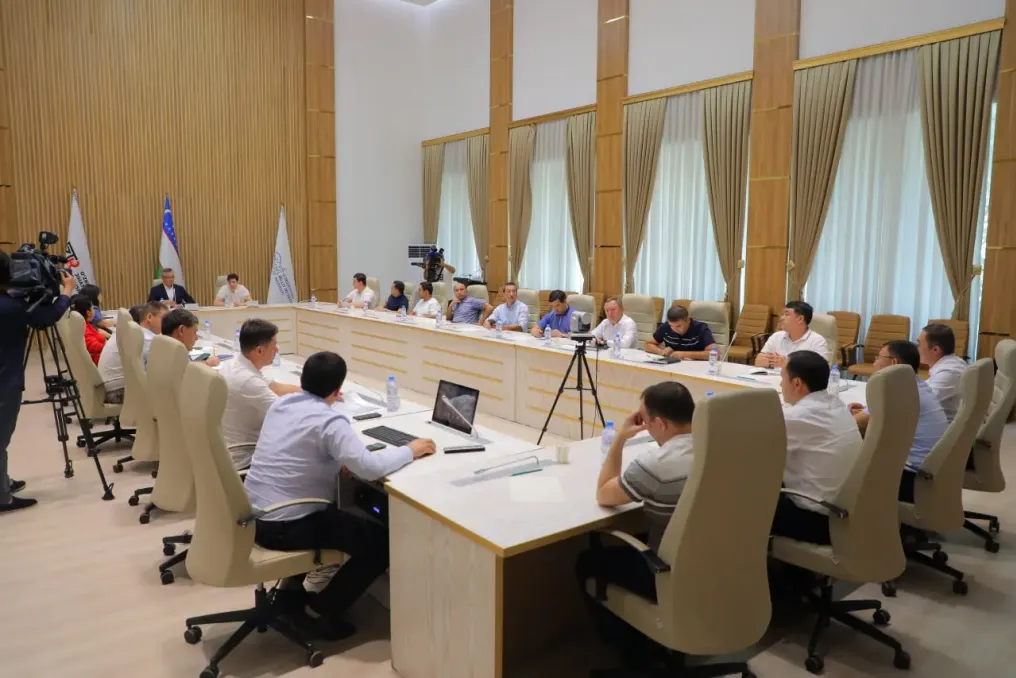
Representatives of Uzbekistan's textile companies participated in an open dialogue dedicated to international requirements for accessing foreign markets. The event was held as part of the Entrepreneur Support Club in Technical Regulation at the Agency for Technical Regulation.

The event was jointly organized by the Agency for Technical Regulation and the Agency for Light Industry Development with the participation of textile sector enterprises. Participants reviewed ways to increase the export potential of domestic producers, eliminate technical barriers, and implement international standards.

In 2025, Uzbekistan's textile exports reached 2.6 billion US dollars, with products supplied to 75 countries. The goal for 2026 is to increase export volume to 4 billion dollars.

Entrepreneurs were informed that there is no single certificate that allows textile products to be exported to any foreign market. Requirements depend on the destination country and the specific type of goods, including technical regulations, labeling, safety requirements, laboratory tests, chemical composition, and additional conditions set by foreign buyers.

Companies were advised to study the requirements of a specific market in advance. Special requirements for entering the markets of the European Union and the USA were discussed in detail. In the EU, it is important to correctly state the fiber composition and comply with labeling requirements. In the United States, enterprises must consider information on fiber content, country of origin, manufacturer data, and clothing care instructions.

Specialists explained the purpose of the international standards OEKO-TEX® STANDARD 100 and Global Organic Textile Standard (GOTS). When choosing certification, participants were recommended to focus not on the prevalence of the certificate, but on the requirements of the target market, product characteristics, and the conditions of the foreign buyer.

Significant attention was paid to laboratory testing and metrological support for production. Entrepreneurs received recommendations on testing products for composition, physical and mechanical properties, color fastness, fiber content, and the presence of harmful substances. The accuracy and reliability of measuring instruments used by manufacturing enterprises were also discussed.

Finally, specialists answered entrepreneurs' questions regarding certification, testing, labeling, the application of international standards, and overcoming technical barriers to export. Participants emphasized that the ultimate goal for enterprises should be the production of high-quality, competitive products that meet international standards and are in demand in external markets.

Uzbekistan and Latvia Discuss Expansion of Business Cooperation
Read more
uzdaily.uz

Uzbekistan and Latvia Discuss Expansion of Business Cooperation

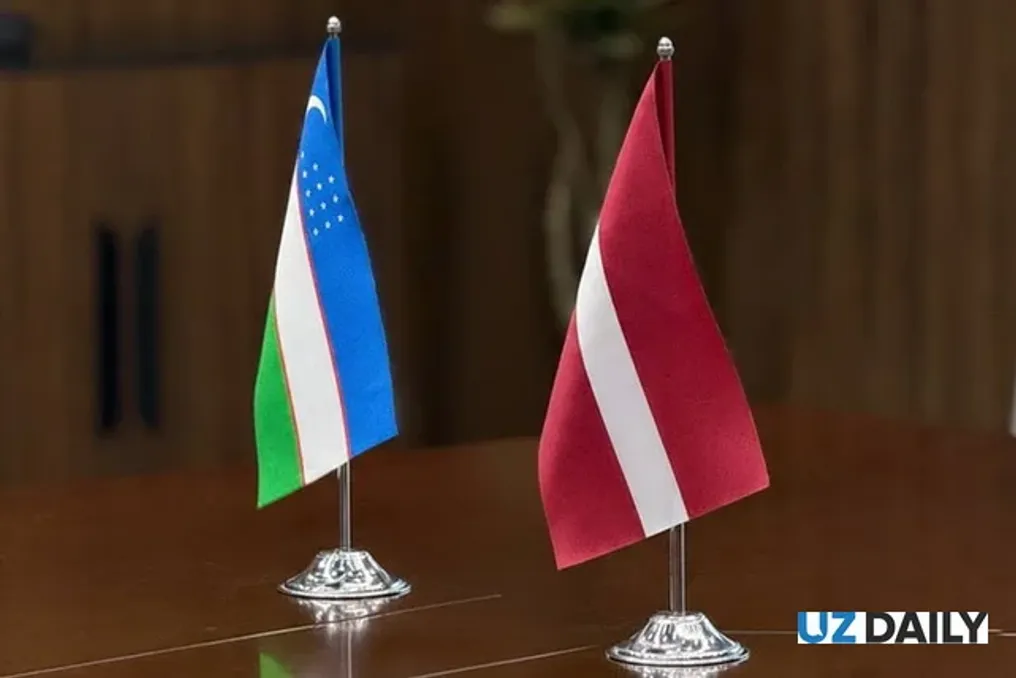
According to Dunyo news agency, the Embassy of Uzbekistan organized an Uzbek-Latvian business forum, which was attended by representatives of the business communities of both countries.

During the event, investment opportunities in Uzbekistan were presented to Latvian entrepreneurs, along with information about ongoing reforms aimed at improving the business environment, developing free economic zones, and creating favorable conditions for foreign investors and tourists.

Business negotiations focused on the potential for expanding trade, economic, and investment ties, as well as cooperation in the fields of transport, logistics, food processing, and pharmaceuticals.

Participants discussed the need to increase the volume of bilateral trade and cargo transportation, more effective utilization of the transport and logistics capacities of the two states, and the implementation of new joint investment projects.

Representatives of more than ten major Latvian companies operating in the transport and logistics sector, including Riga Port Group, Baltijas Ekspresis, and Ventspils Commercial Port JSC, took part in the negotiations.

The parties studied opportunities to increase cargo flows between Uzbekistan and Latvia, develop transport routes, and utilize the port infrastructure of Riga and Ventspils to facilitate access of Uzbek goods to European markets. The expansion of warehousing and transit services was also discussed.

Following the meetings, an agreement was reached on a visit by a delegation of Latvian business representatives to Uzbekistan, scheduled for October 5 to 10 of this year. During this visit, the parties intend to continue discussions on cooperation in transport and logistics, energy, and pharmaceuticals, as well as consider possibilities for joint projects and determine steps for their implementation.

Uzbekistan discussed food product export growth with international expert
Read more
uzdaily.uz

Uzbekistan discussed food product export growth with international expert

The Chairman of the Food Safety Committee of Uzbekistan, Azizbek Urunov, met with international expert and director of AMC Overseas FZE, Suvra Chakrabarty, to discuss ways to increase the country's export potential in agricultural and food products.

The Food Safety Committee of Uzbekistan noted that the parties reviewed opportunities to expand access for local producers and exporters to global markets, as well as improve export processes in line with modern requirements.

Special attention was paid to strengthening the practical knowledge and skills of local exporters. Discussions covered international market analysis, searching for foreign buyers, and conducting effective negotiations with potential partners.

Participants also discussed the practical aspects of organizing export supplies, including proper adherence to logistics and customs procedures, product certification according to international standards, and preparation of necessary documentation.

During the meeting, it was emphasized that the competitiveness of products in foreign markets depends not only on quality; packaging, storage conditions, supply chain management, and increasing added value also play an important role.

The participants exchanged views on applying international experience in these areas, taking into account the conditions in Uzbekistan and providing practical assistance to local entrepreneurs.

During the 2025–2026 period, educational seminars involving Chakrabarty were held in the regions of Uzbekistan for representatives of dehqan and farming enterprises, as well as entrepreneurs.

Following the meeting, the parties agreed to continue educational programs aimed at exchanging international practical experience. The Committee emphasized the significance of international experts' practical experience for increasing the export potential of local entrepreneurs, enhancing the competitiveness of Uzbek products in external markets, and expanding the geographical scope of Uzbekistan's food exports.

Popular