Maharashtrian Batata Bhaji Recipe: Potato and Peanut Preparation in 10 Minutes
Read more
Aaj Tak
www.aajtak.in

Maharashtrian Batata Bhaji Recipe: Potato and Peanut Preparation in 10 Minutes

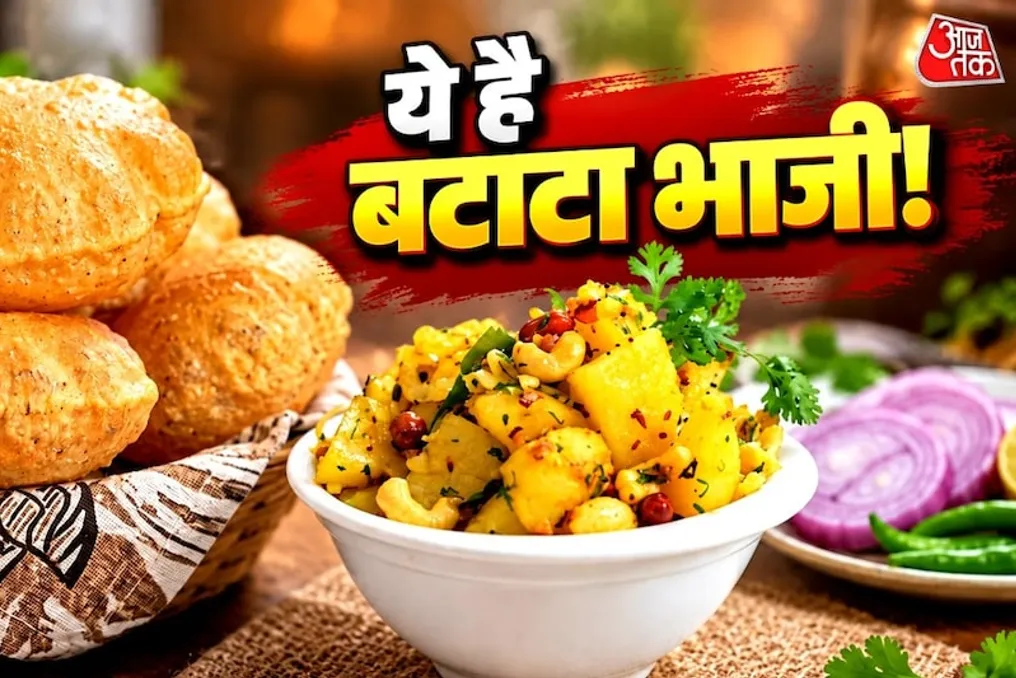
If you are tired of monotonous potato dishes cooked at home, and your children refuse to eat them, Maharashtrian Batata Bhaji will be an ideal quick option for breakfast. This popular dish from Maharashtra can be prepared in just a few minutes.

Potatoes are called the king of vegetables because they can be used in any dish. Although different types of potato dishes like Jeera Aloo or spicy potatoes are cooked in every home, it is worth trying the famous Maharashtrian Batata Bhaji, especially when served with hot puris.

Preparing Maharashtrian Batata Bhaji does not require much effort, and most ingredients are easy to find in the kitchen. Even the renowned chef Kunal Kapoor shared a simple recipe for this Batata Bhaji, which can be served with puri, paratha, or roti.

To begin, thoroughly boil the potatoes. After cooling, peel them and cut them into four pieces, then divide them into smaller pieces. It is important that the potatoes do not overcook, otherwise, they may fall apart during the preparation of the vegetable dish.

In a large pot on a gas stove, heat oil. When the oil is hot, add hing, cumin seeds, and mustard seeds. After the mustard seeds and cumin seeds start sizzling, add curry leaves, chopped ginger, and garlic.

Next, add finely chopped green peppers, peanuts, and cashews, and fry on low heat. Continue cooking until the peanuts and cashews turn slightly golden. This will give the dish a pleasant crunchy texture and enhance the flavor.

After this, add the chopped onion and increase the heat. Fry the onion for about two minutes, without letting it become overly soft.

Now add the chopped boiled potatoes to the pot along with turmeric and salt to taste, and mix well. Cook the potatoes for 3-4 minutes so that they fully absorb the aroma of the tadka and spices.

When the potatoes start to take on a light golden hue, sprinkle finely chopped fresh coriander on top. Finally, drizzle the dish with the juice of half a lemon and gently mix. The hot Maharashtrian Batata Bhaji is ready to serve.

Batata Bhaji is recommended to be served with hot roti, paratha, or bedmi puri. The combination of the light crunchy texture of peanuts and cashews, the aroma of curry leaves, and the tanginess of lemon makes the taste of the potato completely special. If you want to diversify your daily potato diet, this simple recipe is worth trying at home.
Similar stories

Rajasthani Curry Recipe: Making Lentil Phakoda Without Frying and Chickpea Flour
Read more
www.aajtak.in

Rajasthani Curry Recipe: Making Lentil Phakoda Without Frying and Chickpea Flour

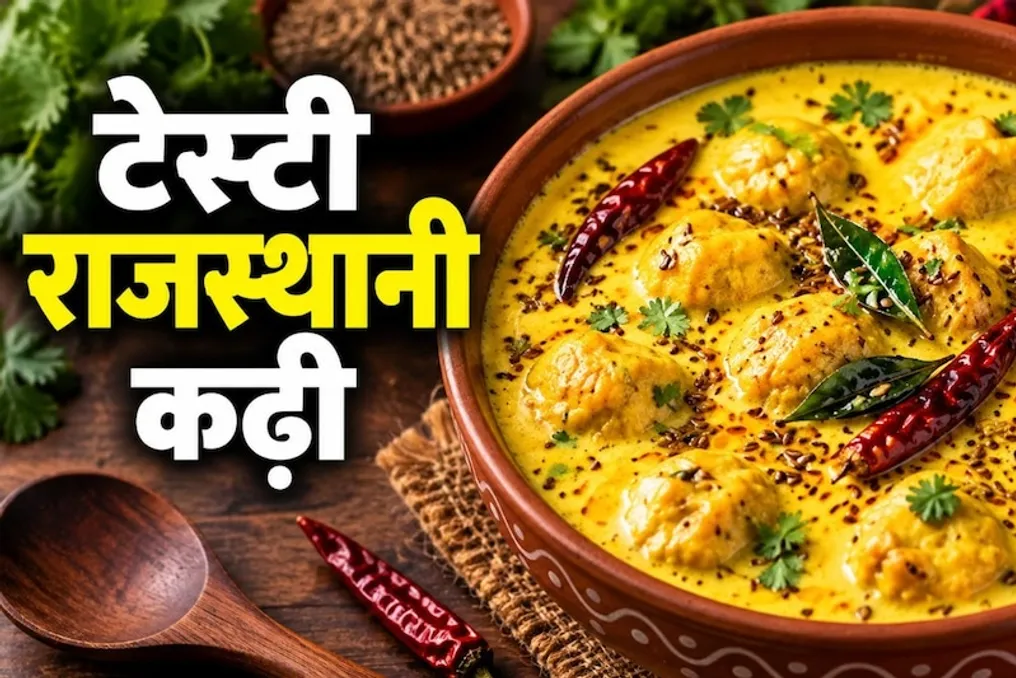
Although many have tried various types of curry phakoda, few are familiar with Rajasthani curry made from lentils. This recipe does not require deep frying; instead, the lentil phakoda is cooked directly in the boiling curry. We will present a simple way to prepare Rajasthani lentil curry phakoda.

Curry is an important part of Indian cuisine and is prepared differently in various regions. Usually, phakoda for curry is made from chickpea flour, but in Rajasthan, a different approach is used—phakoda is made from lentils. The main feature is that these phakodas are not fried separately but are boiled directly in the simmering curry. Because of this, the phakodas absorb the tangy flavor of the curry and the aromas of the spices excellently, becoming very soft.

This Rajasthani dish is served with curry rice, flatbreads, or hot puris. Although some preliminary preparation is required for its making, its taste is sure to please.

For the Phakoda

Ingredients needed for the phakoda:

  • 1 cup of washed lentils
  • ½ teaspoon of salt
  • ¼ teaspoon of hing (asafoetida)
  • Water as needed

For the Curry

Ingredients for the curry:

  • 1 cup of yogurt
  • 4 cups of water
  • 2 tablespoons of ghee
  • ¼ teaspoon of fennel seeds
  • 10–15 black peppercorns
  • 3 cloves
  • 1 stick of cinnamon
  • ½ teaspoon of sesame seeds
  • ½ teaspoon of cumin seeds
  • 2 curry leaves
  • 10–12 curry leaves
  • 2 green chilies
  • 2 medium onions
  • ¼ teaspoon of turmeric powder
  • ¼ teaspoon of hing
  • 1 teaspoon of Kashmiri red chili powder
  • ½ cup of water
  • Salt to taste

For the Tempering (Tadka)

Ingredients for the tempering:

  • 2 tablespoons of ghee
  • 3–4 cloves of garlic
  • A little ginger
  • 3 dried red chilies
  • ½ teaspoon of red chili powder
  • A little fresh coriander

First, the lentils should be thoroughly washed with clean water 4-5 times. Then, soak the lentils in water for about 2 hours; if you want to speed up the process, you can use slightly warm water. After the lentils have swelled well, drain the water and place them in a blender. When blending, do not add too much water at once; first, add 1 tablespoon of water and gradually add a little more as needed. The lentils should become thick and smooth. It may take 4 to 5 tablespoons of water to blend, but this depends on the lentils themselves.

Transfer the blended lentils to a bowl, add ½ teaspoon of salt and ¼ teaspoon of hing. Then, knead this mixture thoroughly for 3-4 minutes to make the dough lighter and airier. To check the readiness of the dough, take a small amount of the mixture in water; if the dough starts floating on the water surface, it means it has been kneaded well.

To make the curry, mix 1 cup of yogurt and 4 cups of water in a bowl, whisking them thoroughly. Ready-made buttermilk (chaach) can also be used.

Heat 2 tablespoons of ghee in a pot. Add fennel seeds, black pepper, cloves, cinnamon, sesame seeds, cumin seeds, and curry leaves. Then add the curry leaves and finely chopped green chilies. Next, add the chopped onion and sauté it lightly without browning it too much. Add turmeric, hing, and Kashmiri red chili powder, and mix. Pour in ½ cup of water and let the spices cook well.

When the spices are fully cooked and the oil starts separating, pour in the prepared yogurt mixture. Stir constantly while adding, as it must be stirred continuously until the curry boils, otherwise, the yogurt may curdle. Salt should not be added at this stage.

After the curry boils well, reduce the heat but continue to simmer the curry. Now, form small phakodas from the lentil dough by slightly moistening your hands, and drop them directly into the boiling curry. A spoon can also be used to add the phakodas. Do not make the phakodas too large, as they expand after cooking. The curry should not stop boiling when adding the phakodas. Cook the phakodas in the curry for about 4-5 minutes. After this, add 1 teaspoon of salt and reduce the heat to medium-low.

Continue to cook the curry for another 15 minutes. During this time, the phakodas will be completely cooked, and the curry will thicken slightly.

To give the curry extra flavor, heat 2 tablespoons of ghee in a small pan. Sauté the sliced garlic until golden brown. Then add the finely chopped ginger and 3 dried red chilies. Finally, add ½ teaspoon of red chili powder and turn off the gas. Immediately pour this tempering over the curry. Add a little curry broth to the tempering pan and pour it into the pot. Cover the curry and let it sit for 5 minutes so that the flavor of the tempering fully penetrates the curry.

Finally, sprinkle with fresh coriander on top. If you did not use whole spices, you can add a little garam masala.

Chhawali Batata Rassa Recipe: A Maharashtrian Dish of Beans and Potatoes
Read more
www.aajtak.in

Chhawali Batata Rassa Recipe: A Maharashtrian Dish of Beans and Potatoes

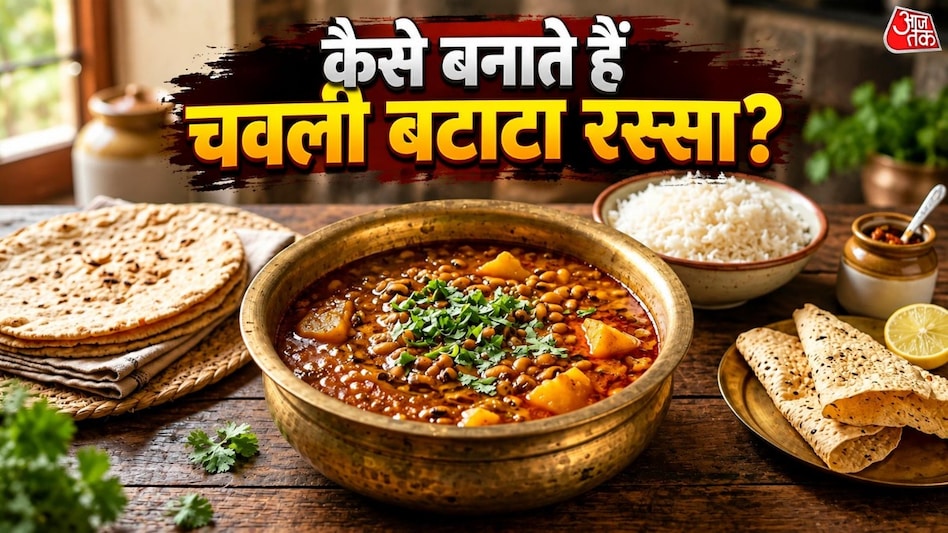
When you crave variety instead of the usual dal and rice for lunch, you can prepare spicy and aromatic Chhawali Batata Rassa, which is a signature dish of Maharashtra. This dish is made from beans (chhawali) and also includes potatoes, and its recipe is quite simple to make at home.

Maharashtra, along with Rajasthan and Uttar Pradesh, is known for its unique and delicious culinary recipes. In traditional Maharashtrian cuisine, spicy and hearty rassa (thick soups) hold a special place. Although many have heard of Batata Rassa, this presents the recipe for Chhawali Batata Rassa.

This popular local dish is made from beans (chhawali), i.e., lobia, and potatoes. Below is the step-by-step process for preparing this dish.

Preparing Chhawali Batata Rassa

First, heat oil in a pan and fry finely chopped onions until golden brown. Then add grated dried coconut and cook it until it achieves a light golden hue. As soon as a pleasant aroma starts coming from the coconut, turn off the heat.

Transfer this mixture to a blender together with garlic, ginger, green chili, green coriander, and chopped tomatoes. Add a little water and blend all ingredients until an absolutely smooth paste is obtained.

Pour two tablespoons of oil into the same pan and add the prepared paste. It needs to be well fried until all the liquid evaporates and the oil begins to separate from the edges of the spices. After that, mix in red chili powder, turmeric, Goda masala, and salt, continuing to fry the spices for some more time.

Next, add the soaked lobia and chopped potatoes to the pan, stirring thoroughly with the prepared mixture. Pour in hot water, cover with a lid, and cook until the lobia is completely soft and the potatoes are well cooked.

The consistency of the rassa and the level of salt and spices can be adjusted as needed. Optionally, the dish can be garnished with fresh green coriander at the end.

What to Serve With

Thanks to the use of coconut, garlic, ginger, green chili, and special Goda masala, this dish has a unique taste and aroma. In Maharashtrian homes, it is often served with roti, bhakri, or rice, and can also be complemented with papad and pickled vegetables.

Chef Ranveer Bharadwaj shares recipe for Punjabi Aloo Katli
Read more
www.aajtak.in

Chef Ranveer Bharadwaj shares recipe for Punjabi Aloo Katli

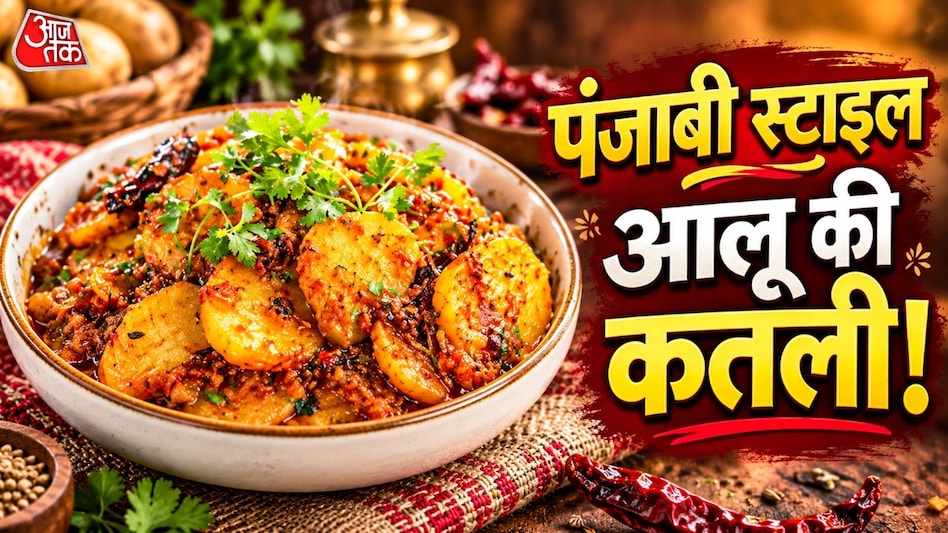
If you are tired of usual potato dishes, such as mashed potatoes or fried potatoes with dill, try Punjabi Aloo Katli. This delicious and aromatic dish does not require much effort but possesses an exceptional taste.

Potatoes, which form the basis of many dishes in Indian cuisine, are often used in spicy or garlic variations. However, if you are stuck in a routine of the same dishes, it is worth preparing this alternative. Although Kaju Katli is famous as a dessert, potato katli is an excellent option for a main meal.

Chef Ranveer Bharadwaj presented the recipe for Punjabi Aloo Katli, which allows you to prepare this dish in just a few minutes. First, you need to peel the potatoes and cut them into medium or thin pieces.

In a pan, heat mustard oil, then fry whole spices: cloves, black pepper, fennel, large cardamom, green cardamom, dried red pepper, and cumin seeds until they begin to sizzle. Next, add finely chopped ginger and lightly fry. After that, mix in the chopped potatoes and salt, stirring until they start to brown.

When the potatoes are half-cooked, add the chopped onion to the pan. Then mix in the powdered red pepper, turmeric, and coriander powder, thoroughly mixing all ingredients. The spices simmer for about two to three minutes. After this, add the puree of fresh tomatoes and cover the pan with a lid.

The potatoes are stewed over low or medium-low heat until completely soft, ensuring that the spices have well permeated the potatoes. Finally, brush the dish lightly with butter and add finely chopped cilantro stems, stirring gently. The ready Aloo Katli is placed on a serving plate and garnished with fresh cilantro leaves.

This dish is best served hot with flatbreads, paratha, or puri. The aroma of whole spices and the taste of mustard oil give this simple potato dish a completely different character, and it will appeal to both children and the elderly.

Popular