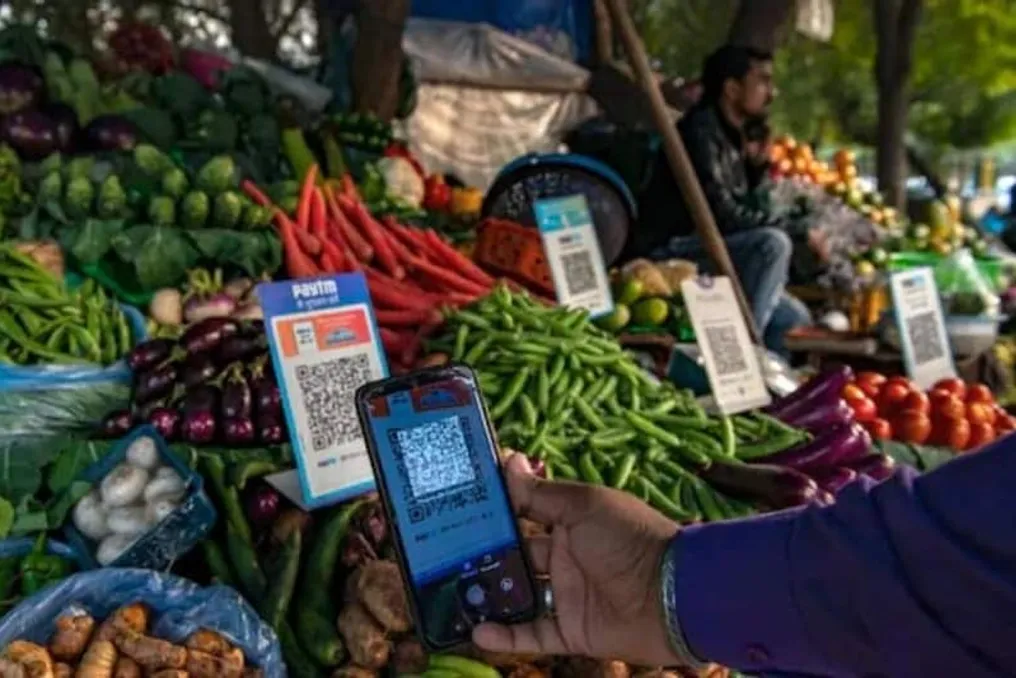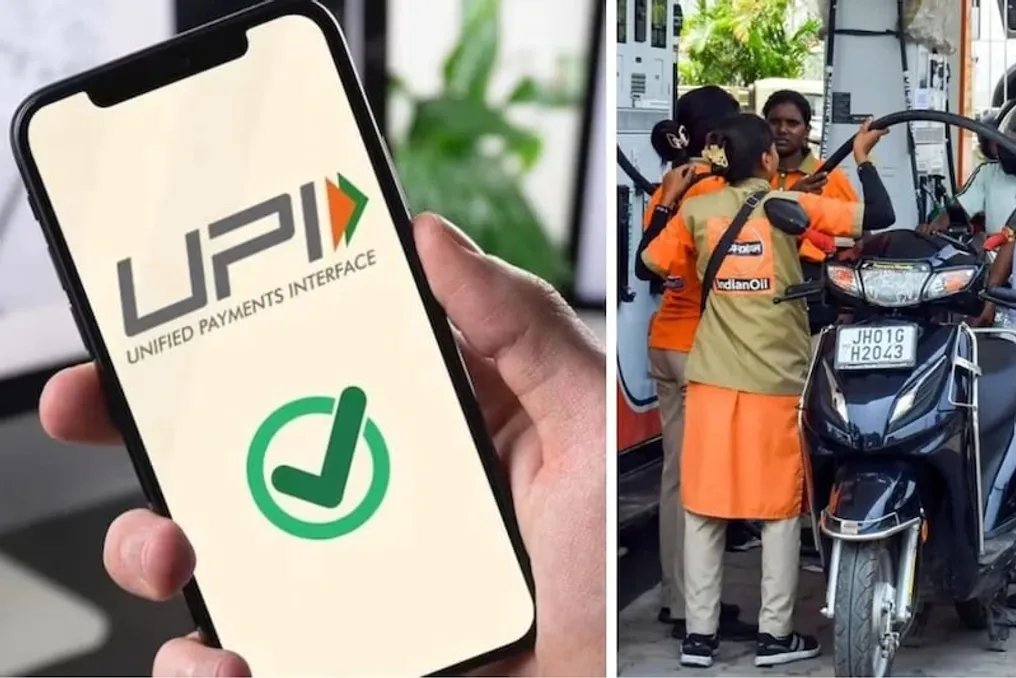
The central government has announced the introduction of a Merchant Discount Rate (MDR) of 0.4 percent for UPI transactions exceeding 2000 rupees. This new mechanism will take effect next month, on October 15th. However, the impact of this MDR is already being felt before the official start, causing concern among traders regarding a reduction in their profits.
Changes are particularly noticeable at petrol pumps. According to a local report from Alwar, Rajasthan, many gas stations have displayed notices accepting only cash payments. Customers visiting stations to refuel with gasoline and diesel report trying not to make payments exceeding 2000 rupees and avoiding online fuel payments, leading to a return to using cash.
The government is preparing to levy the MDR tax for UPI operations exceeding 2000 rupees, and the new regulation (UPI MDR Charge Rule) is scheduled for implementation in October. As reported by 'Aaj Tak' from Alwar, posters requiring cash payment have already been placed at gas stations and CNG stations across the country amid nationwide discussions. Fuel station operators stated that they are currently accepting UPI payments because the tax procedure will begin in October. Nevertheless, as people become aware of this, they are starting to avoid large UPI payments.
Operators also note that there is confusion among the public regarding the use of UPI payments. They emphasize that they have not yet received clear instructions related to the MDR, which will come into effect in October. Some have already started accepting only cash, informing customers about it.
Customers coming to gas stations to buy gasoline and diesel told 'Aaj Tak' about various misconceptions among people because they are not receiving reliable information. Nevertheless, they try not to conduct online transactions exceeding 2000 rupees. If they need to make a payment greater than 2000 rupees, they split it into two or three parts.
In the opinion of citizens, if any changes affect traders, it will inevitably impact the pockets of ordinary people, as sellers cannot pay taxes from their own funds. They predict a rise in food prices in the future. The public believes that the government should not introduce such taxes suddenly and needs to reconsider this issue.
It should be noted that the NPCI circular states that the UPI MDR commission will affect only 4 percent of selected traders, while 96 percent of small entrepreneurs will remain outside its scope. MDR will be charged to these four percent of sellers for transactions exceeding 2000 rupees, but the maximum amount will be 300 rupees. Entrepreneurs earning up to 100,000 rupees per month, as well as those conducting transactions up to 2000 rupees, will not be affected by this.
It should also be mentioned that the flat-rate model is included in the UPI MDR system. This model covers all UPI payments, including transactions at gas stations. A fixed MDR will be charged under this mode. That is, for UPI payments exceeding 2000 rupees at gas stations, a fixed fee of 5 rupees will be charged, regardless of whether the fuel was filled up for 10,000 rupees or more. The goal of introducing a low MDR for gasoline and diesel sales is to maintain the accessibility of digital payments for retail sellers.