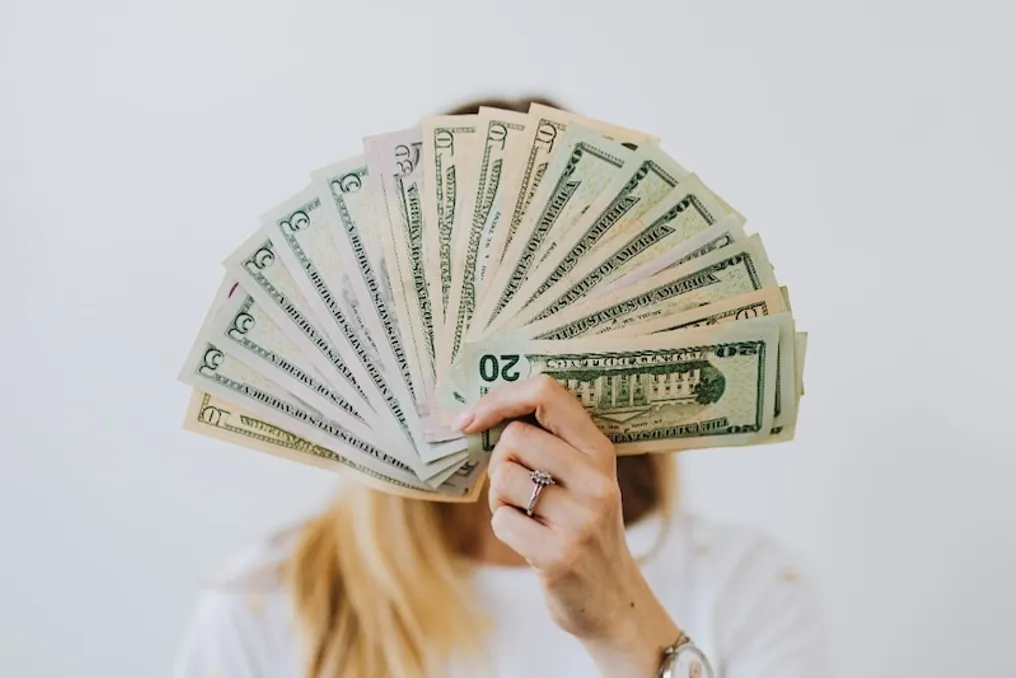
Imagine you suddenly find about 800,000 rupees in your account in the morning. Many options present themselves: buy a new car or mobile phone, resolve urgent household matters, pay off debts, go on a trip, spend on education, or help someone in need. Which option would you choose?
The question is not only what you will purchase after receiving such a large sum of money, but also what spending method might bring you greater satisfaction.
Researchers from the T.H. Chan School of Public Health at Harvard University attempted to understand this issue. The study included 300 people from Indonesia, Kenya, Brazil, America, the UK, Canada, and Australia. Two hundred people suddenly received $10,000 and were required to spend this money within three months. The remaining one hundred people were in a control group and did not receive any funds.
For those who received money, they were asked monthly where they spent the funds and what joy that purchase brought them. Researchers monitored participants' well-being both at the end of the three-month spending period and three months after it.
The study revealed an interesting pattern: spending on charity, experiences, education, and self-care correlated with increased happiness. This means the received amount was not exclusively spent on acquiring material goods; some spent it on experiences, others on learning, some on self-care, and some helped others. It was in these spending categories that a higher level of happiness was reported.
The most intriguing part of the study is that the link between spending and happiness varied depending on the economic situation in the country of residence. Participants from high-income countries experienced relatively more happiness from gifts and time-saving purchases. Furthermore, compared to participants from low-income countries, the happiness derived from paying off debts and housing expenses in high-income countries was relatively lower.
This does not mean that paying off loans or paying for housing does not bring joy. The study merely demonstrates that the same type of expense can have a different impact on people living in different economic and social conditions.
Another important point is that researchers also tracked the 100 people in the control group who did not receive money. The overall well-being of participants who received sudden income was higher compared to the control group. However, this effect depended on how exactly people spent the money. Thus, the direct conclusion of the study is not that more money equals more happiness.
Rather, it is more interesting what these funds are spent on after being received, as this may be related to well-being.
Based on this Harvard-related study, a single universal formula cannot be drawn, as each person's financial situation, needs, and priorities are unique. Nevertheless, the results indicate that if additional funds become available, spending a portion of that amount on things like experiences, education, self-care, or helping others may be associated with improved well-being. Perhaps the most interesting question of this study is: does the amount of money matter, or is it more important where we spend it?
>