According to a report published on Thursday by the World Meteorological Organization (WMO), rivers worldwide experienced one of the driest periods in over three decades in 2025.
WMO Secretary-General Celeste Saulo noted that the planet's water reserves previously served as a kind of 'savings account' that could compensate for episodic droughts, but this reserve is now depleting.
The report, 'State of Global Water Resources,' demonstrates that the water cycle on Earth is becoming increasingly unpredictable, fluctuating between severe deficit and surplus. Over the last seven years, the number of rivers with 'normal' flow has been the lowest since 1991.
For the seventh consecutive year, basins with 'normal' conditions were an exception, accounting for only 34% to 38%, which is significantly lower than the average of 46% during the period from 1991 to 2020.
Total terrestrial water resources—including groundwater, lakes, rivers, soil moisture, vegetation, ice, and snow—have been declining since the mid-2010s. The report warns of a continued long-term reduction in freshwater reserves and glacier retreat, which poses serious consequences for the planet, its population, and its economy.
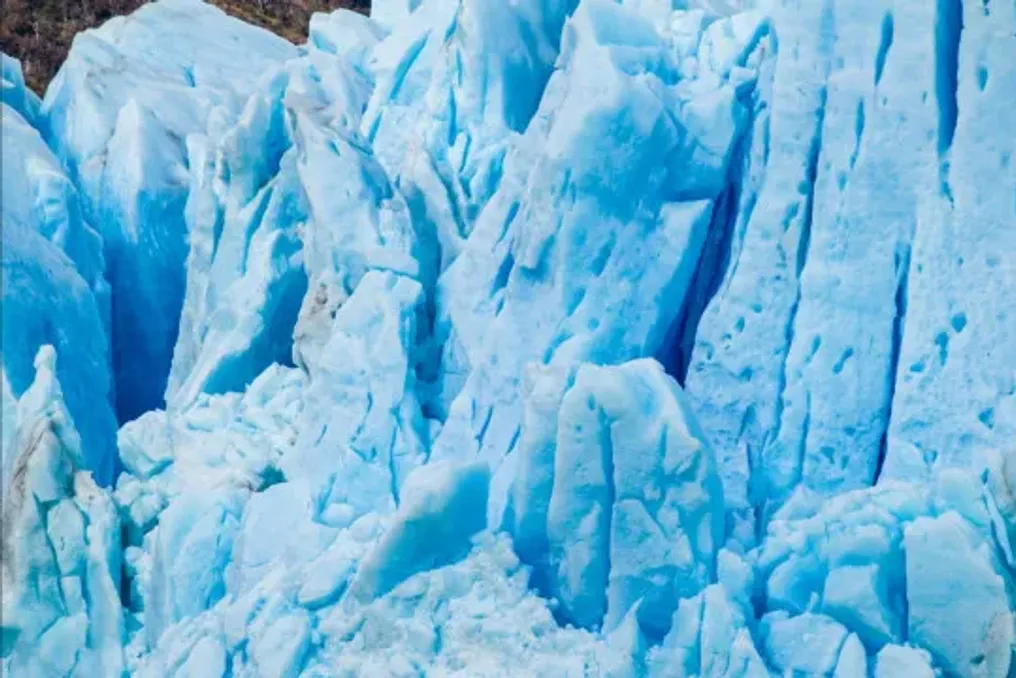
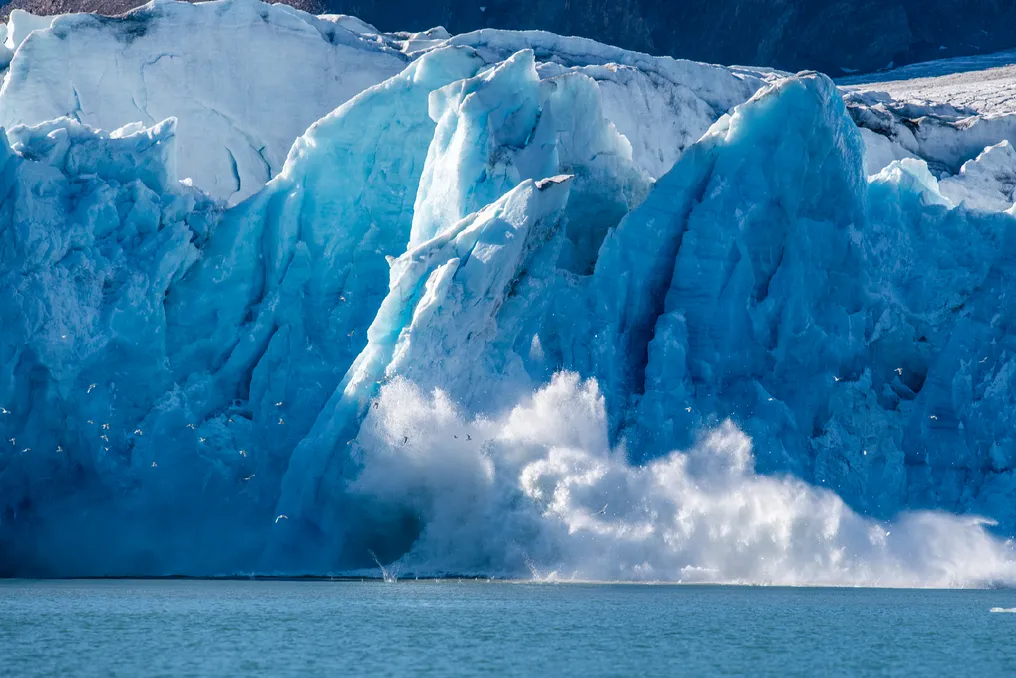
2025 marked the fourth consecutive year of mass glacier loss, creating short-term threats such as floods and a long-term problem of water insecurity. Between 2023 and 2025, glaciers lost mass annually, reaching a cumulative loss of 1400 gigatons of water—approximately one-third of the world's annual freshwater withdrawals.
Ice loss affected all 19 glacial regions, including Central Asia, Iceland, Russian Arctic, Western Canada, and the United States. Wayne Jenkinson, WMO Director for Hydrology and Cryosphere, stated at the conference that it was 'one of the three worst years in observation history.'
Over the past five years, national meteorological and hydrological services have recorded record floods and droughts. It is noted that in some areas there was no time for recovery between these events.
Celeste Saulo emphasized that water recognizes no borders, as the water balance of a basin depends on events in other countries, and the melting of a glacier in one country changes water availability for populations hundreds of kilometers downstream. This is why the WMO must ensure data exchange, standards, and early warning systems.