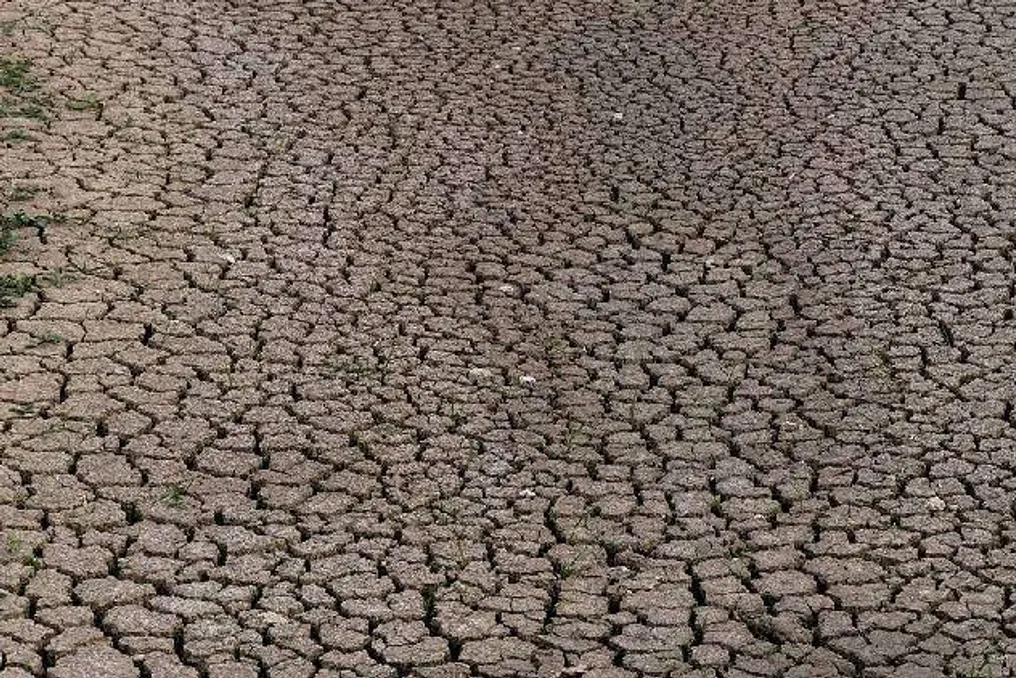
According to health authority statistics published on Wednesday, the hottest summer in France since 1900, marked by a series of record heatwaves, has led to nearly 8,000 cases of excess mortality.
The French public health agency reported that the latest figure—7,919 cases of excess mortality from late May to August 20—is preliminary and may increase as data from the last weeks of summer become available.
For comparison, last year, between June and mid-September, the country registered 5,722 deaths related to high temperatures.
Specific data shows that from July 27 to August 20, 817 cases of excess mortality were recorded, adding to 5,764 cases from June 17 to July 2, 1,243 cases from July 3 to July 20, and 95 cases during the early summer heatwave from May 24 to May 28.
This figure indicates the serious impact of heatwaves in a country whose infrastructure is not adequately prepared for extreme heat.
Guillaume Boulanger, head of the housing and working conditions division at the French public health agency, told AFP: 'The summer of 2026 was completely unprecedented, with almost continuous episodes of heatwaves.'
Many in France still remember the 2003 heatwave, which occurred during the height of the summer holidays when hospitals faced staff shortages and elderly relatives were left alone. Around 15,000 people died then.
However, according to the French meteorological service, the summer of 2026 was the hottest since 1900, surpassing both 2003 and another severe heat period in 2022.
Climate change, caused mainly by the burning of coal, oil, and gas due to human activity, increases the risk and intensity of heatwaves.
This year, the elderly in France were particularly affected, as evidenced by the large number of excess mortality cases registered from August 14 to 16 immediately following the hottest days.
The most deadly was the first major heatwave, which lasted from June 17 to July 2, occurring before the start of the summer holidays when education, business, and work activities continued actively in the country, the service reported.
The health agency stated that it hopes to complete data collection by the end of October, and the final count of excess mortality for the summer is expected in early next year.