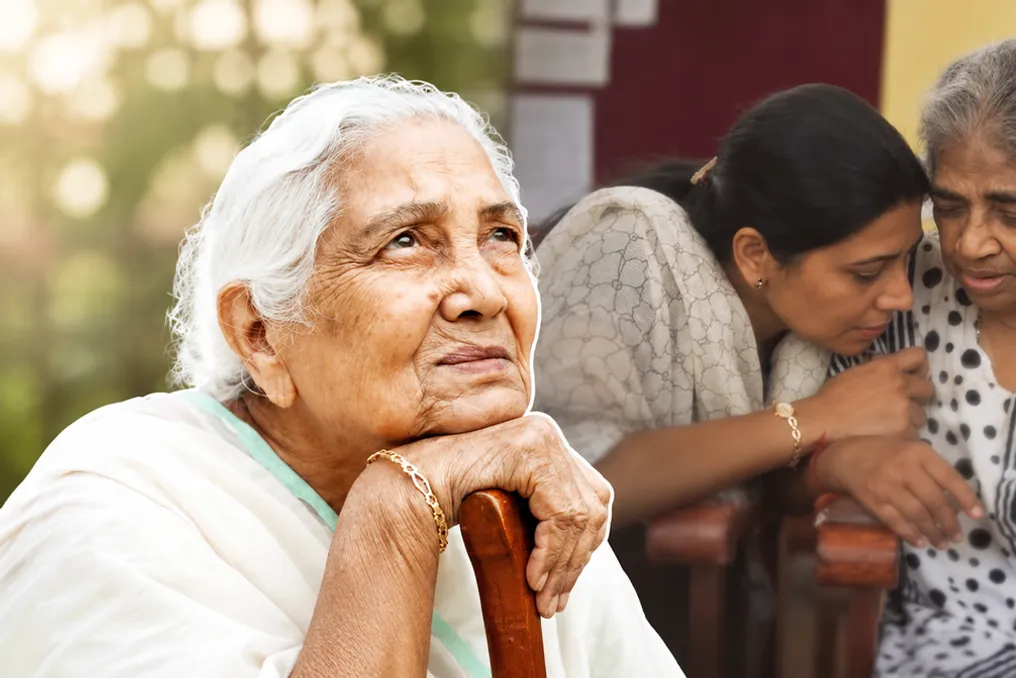
Many people encounter situations where parents repeat the same stories during video calls, or when a father forgets his glasses for the third time in a month, which becomes a joke in the family chat. There are also moments when a parent stumbles over words while trying to find one and jokes about their memory not being what it used to be. Society often attributes such phenomena to natural aging processes, and to be fair, in most cases, this is true.
However, doctors specializing in brain aging note a significant difference between ordinary forgetfulness and signs of more serious conditions. The inability to define this boundary leads families to lose precious years when help could have been provided.
What is Alzheimer's Disease?
To understand the difference, it is important to know what Alzheimer's disease is. It is the most common form of dementia, which is a broader term for a decline in memory, thinking, and reasoning ability so severe that it disrupts daily life.
The disease develops due to the accumulation of abnormal protein deposits in the brain, which gradually damage the connections between nerve cells. Usually, the process begins with problems with short-term memory, then affects speech, judgment, and eventually basic daily tasks. This is not a normal part of aging nor is it the same as occasional forgetfulness.
Since this is a progressive disease, early detection is critically important for determining the family's next steps. World Alzheimer's Day 2026 falls on September 21st, as part of an annual global observation that has been conducted since 1994 with WHO support. Globally, over 55 million people live with dementia, of whom there are over 8.8 million in India, accounting for about 7.4% of the population over 60, and this figure is expected to double by 2050. Furthermore, only about 1 in 10 Indians with dementia are diagnosed.
If you manage your parents' lives from another city, mainly through group chats and rare visits, this day prompts one useful question: what can be done this week to help keep your parent's brain sharp longer?
It Turns Out Much Is Possible
Dr. Harjit Singh, a geriatric specialist from the Sitaram Bhartia Institute in Delhi, views memory decline as a condition that can be slowed, not as an inevitable process. He asserts that 'healthy aging requires intention, support, and opportunities.'
His Recommendations:
He advises having shared meals, encouraging exercise, including strength training, stimulating parents to learn something new, and helping them build a real social circle instead of relying solely on living with family. His modern advice is to teach digital literacy through their own children, as navigating applications provides a mental load that passive television never will.
Professor Prasun Chatterjee, who heads geriatric medicine at Apollo Hospitals after leading it at AIIMS Delhi, expands on this idea in his book 'Health and Well-being in Later Life.' He insists that old age deserves purpose, not just care. He developed the first Intergenerational Learning Model in India, where elderly volunteers teach underprivileged schoolchildren, giving retirees a real reason for daily activity.
Therefore, structured volunteer work or a community of travelers among the elderly benefits the brain more than isolation. WHO guidelines align with this, pointing to managing hypertension and diabetes, maintaining activity, quitting smoking, proper nutrition, and socialization as the most reliable ways to reduce risk.
It's Not Just About Sugar and Blood Pressure
Dr. Pranav Mehta, a neurologist from the Apex Hospital Group in Mumbai, notes that neurological disorders now affect over 30 million Indians and are not merely a 'problem of the elderly,' as environmental pollution and poor sleep are involved. His warning is: 'The brain often whispers before it screams,' and he lists signs such as slurred speech, sudden loss of balance, vision changes, or unusual headaches that should not be ignored.
Researchers also point to low levels of formal education as a risk factor, meaning that puzzles, reading, and learning are not desirable additions but real protection.
The Balance No One Warns About
None of this requires medical education. It requires attention—the kind that notices when a mother stops calling old friends or when a hobby quietly disappears. Geriatric specialists also caution against excessive care, as it deprives parents of the independence that initially supports their activity.
It is necessary to continue encouraging them to learn, move, and socialize, while maintaining sufficient vigilance to know when to see a doctor, rather than just discussing another joke in a group chat. On World Alzheimer's Day, the best gift you can give your parents is not a recorded and forgotten check-up. It is ensuring that there remain reasons for them to think, remember, and maintain curiosity in their lives.