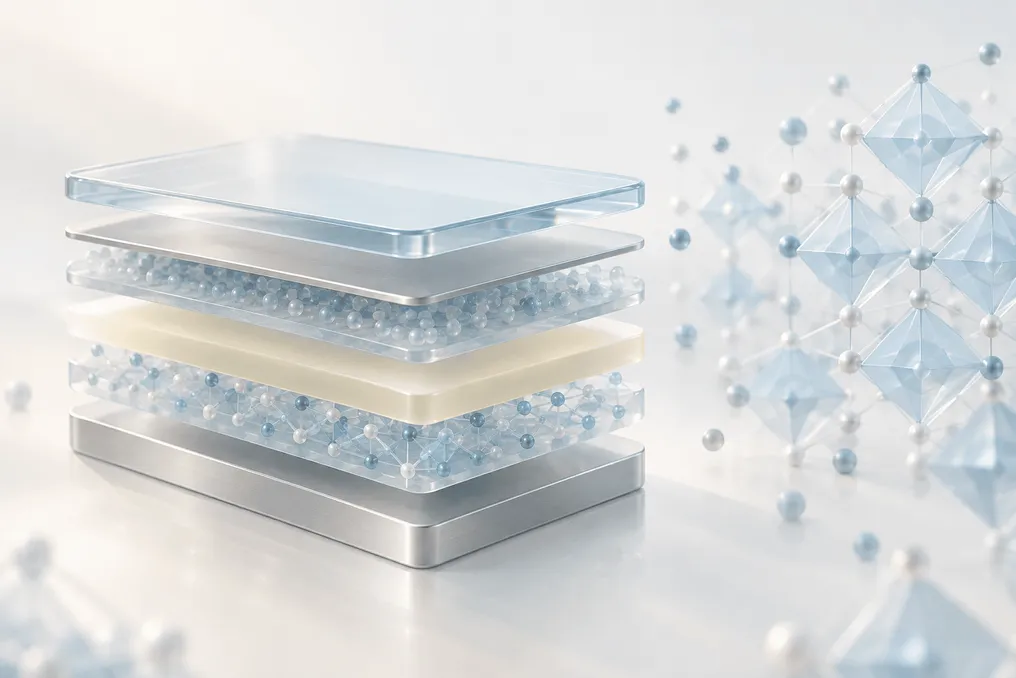
CATL has adjusted the engineering stage of solid-state battery development, setting a goal to launch small-scale production by 2027. In a September announcement posted on the Shenzhen Stock Exchange's interactive platform, the company confirmed its unwavering commitment to developing the solid-state direction, noting that the technology has reached a leading industry level and is expected to be released in small batches in the specified year. It is important to note that this statement marks a stage in the production roadmap, not a guarantee of mass adoption in vehicles.
This timeframe contrasts with the more cautious view of Chairman Robin Chen, expressed at the Davos forum in the summer of 2026. Using a technology readiness scale from 1 to 9, Chen assessed current solid-state cells as approximately TRL-4, corresponding to laboratory principle verification, and stated that installing millions of such cells in cars before 2030 is unlikely.
According to industry reports, the 2027 goal is linked to achieving a production readiness level of 7–8 (capability for limited launches). A pilot capacity of about 2 GWh is planned at CATL's facility in Yibin, with equipment commissioning scheduled for the second half of 2026.
Engineering hurdles explain the gap between small-scale release and full-scale production. Sulfide solid electrolytes are sensitive to moisture and can generate hydrogen sulfide, requiring ultra-dry production environments that differ significantly from modern liquid electrolyte equipment operating in humid conditions. Technological risks also remain open regarding solid-solid electrode interfaces, hot isostatic pressing results, and dry coating application on electrodes. The cost structure still heavily depends on sulfide electrolyte precursors, such as lithium sulfide, making solid-state cells several times more expensive than standard liquid electrolyte lithium iron phosphate batteries.
Competitors' roadmaps show a similar pace of development: demonstration samples with semi-solid or hybrid cells are expected in 2026, small-scale production of solid-state cells around 2027, and widespread commercial use is only possible after further work on increasing yield and reducing costs over the next decade. For CATL, 2027 should be viewed as the beginning of controlled pilot release and sample testing for vehicles, which is part of a gradual transition from TRL-4 to manufactured cells, rather than the moment when solid-state batteries become the standard powertrain element.