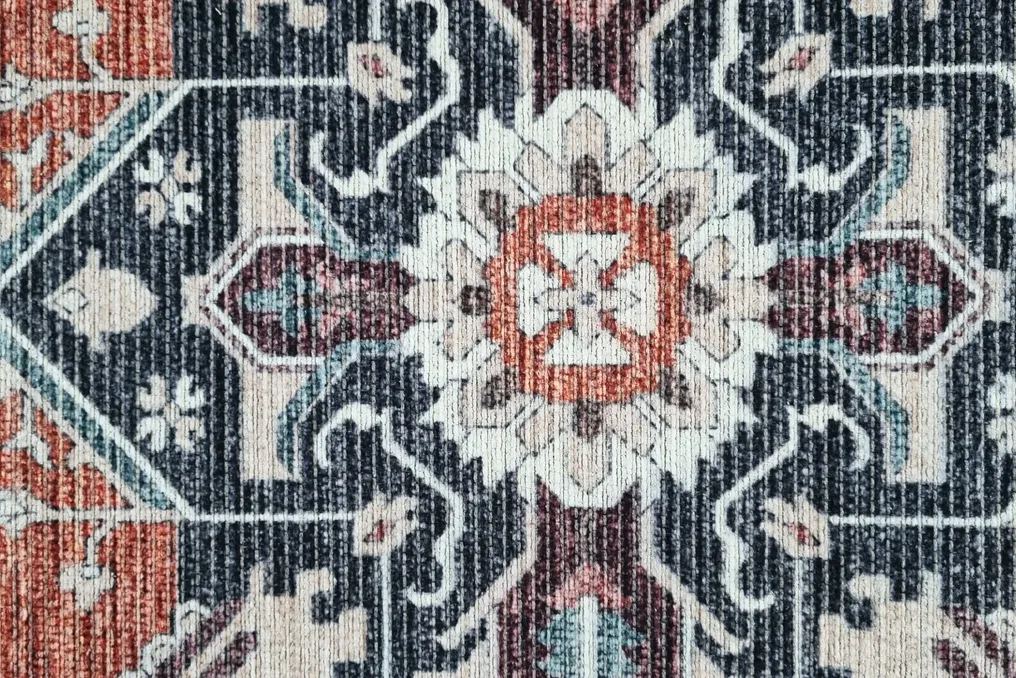
PhotoSparks, a weekly segment of YourStory, highlights creativity and innovation by showcasing photographs from various events, including art festivals, exhibitions, and conferences.
Rural communities in India possess immense talent in crafts and arts, which is gaining increasing recognition worldwide, especially in items such as rugs. The creation of hand-knotted rugs requires an exceptional combination of patience, discipline, and skill.
Every knot is meticulously tied by hand, demanding high concentration and precision. These techniques, passed down through generations, lend each created rug warmth, beauty, and individuality.
As demonstrated by a photo essay featuring Saraswati Rugs' design centers, factories, and exhibition halls in Jaipur, Indian weavers are capable of transforming simple materials into breathtaking patterns. The company goes through a complex production cycle: from sourcing raw materials and developing designs to dyeing yarn, setting up the loom, knotting, trimming, washing, drying, and final inspection. Completing one rug can take weeks, months, or even longer.
Handmade Indian rugs are not just decorative items; they are a reflection of the incredible effort and soul of the people behind them. Each rug tells a story through its motifs, colors, and shapes, demonstrating the highest level of detail.
Raj Choudhary, Director of Saraswati Rugs, told YourStory that the company was founded by his father, Mahesh Choudhary, back in 1978. Mahesh Choudhary started the business in Churu, Rajasthan, using funds borrowed from his own father. He later moved to Jaipur to start an export business, establishing an American base called Amer Rugs.
The main idea was to show the world the beauty and mastery of Indian carpet manufacturing. The name 'Saraswati' was chosen in honor of Raj Choudhary's grandmother, and in her memory, the Saraswati Foundation was established in 2012 to fulfill corporate social responsibility.
Raj Choudhary, who studied at Delhi Public School in Jaipur and earned a BBA from Georgia State University in Atlanta, joined his father's venture in 2011. He noted that the primary market for the company is the USA, but they also export products to Russia, Turkey, Europe, and East Asia. To develop the domestic market, stores were opened in New Delhi and Mumbai, with plans to expand to Bengaluru, Hyderabad, or Kolkata.
Despite significant changes in the world since 1978, respect for artisanal craft remains constant. The company strives to find a balance between heritage and innovation, between tradition and a global vision.
The company collaborates directly with B2B partners such as architects, interior designers, and hospitality establishments. The company has about 400 employees, along with contractors and other weavers. Most rugs are handmade, and one rug can pass through 150 hands at different stages. Sometimes up to five people work on one loom, and the largest rugs can require four to five months, or even more time.
Wool is either sourced locally or from countries like New Zealand. After this, the entire process is carried out within the company, in Jaipur or at other centers, such as the spinning mill in Bikaner. The company produces its own yarn, which is then sent to the dyeing unit. Knotting is determined by various parameters, such as the number of knots per square inch. Designers use CAD software to create a map of the actual size of each rug. Next comes printing and lamination so the map is not damaged in harsh conditions.
Rugs are made from wool, silk, cotton, or viscose. The optimal price range is around $10–$14 USD per square foot, although higher design complexity entails a higher cost. The company works with hand-knotted, hand-tufted, and machine-woven carpets. Their private workshop offers custom sizes, tailored palettes, and original design development. They believe that true luxury is created slowly.
Handmade rugs are considered among the most valuable and expensive in the world, and discerning buyers choose them to express their appreciation for art. A well-made rug can become part of a home for many generations and is often carefully matched with paintings and furniture.
Saraswati Rugs has received several international awards for its designs, including America's Dream Carpet. Raj Choudhary added that besides awards, the greatest satisfaction comes from the opportunity to learn something new every day. He emphasized that many people are involved in this industry, so it is necessary to be a communicative person and to learn from others. Inventing new designs and receiving fresh ideas from clients also brings great satisfaction.
The company's rugs are presented in diverse styles such as jharokha, cosmos, gemstone, lily-ponds, dazzle, mahal, Milano, pearl, Arabe, glamour, majestic, Cubism, and castle. Handmade rugs are considered authentic and unique works of art. Other types include hand-tufted, hand-woven, and flat-woven. Saraswati Rugs offers seven design directions: classic, traditional, transitional, geometric, modern, abstract, and textural.
The company's clients in India and 60 other countries include hotels such as Radisson Blu, Golden Tulip, Olive Tree, and Park Plaza, as well as PVR cinemas in Bengaluru and Mumbai. In recent years, the carpet industry has undergone technological and consumer expectation changes, transforming from a commodity into a fashion item.
