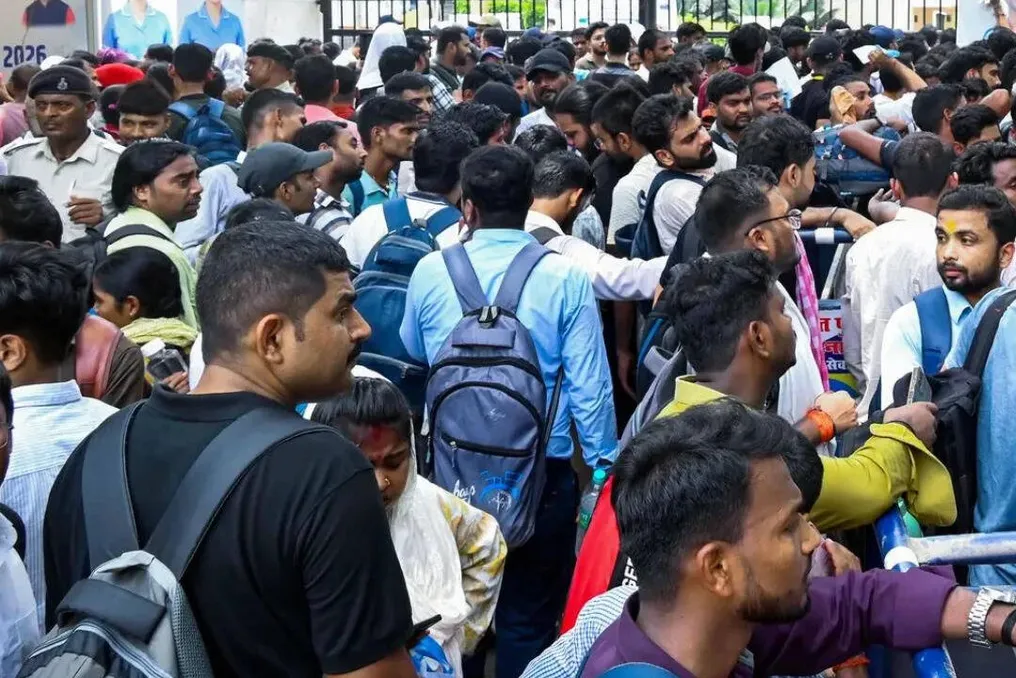
According to the first-ever periodic labor force survey at the district level (PLFS) for 2025, published by the Ministry of Statistics on Friday, more than a quarter of the youth in nearly 250 districts of India (age group 15–29 years) are not engaged in productive work and are neither receiving education nor vocational training, indicating a gap in human capital utilization.
The situation is particularly alarming in North India, especially in states such as Bihar, Uttar Pradesh, Haryana, Punjab, and West Bengal. In these regions, about two-thirds of the districts have approximately a quarter of the youth classified as NEET (Not in Education, Employment, or Training).
In Andhra Pradesh, Odisha, Assam, and Telangana, 25% of the youth population falls into the NEET category in almost half of the districts. A recent Niti Aayog report estimated the number of NEET youth in the country to be nearly nine crore, while the government clarifies that these individuals cannot simply be labeled unemployed.
In about 25 districts, the NEET rate is below 10%, including Kabirdham, Rajnandgaon, and Uttar Bastar Kanker in Chhattisgarh; Chamba in Himachal Pradesh; Ernakulam in Kerala; and Mandla in Madhya Pradesh. The lowest NEET rate of 4.1% was recorded in Nabarangpur (Odisha).
The ministerial report covered about 600 districts across major states and territories. In some cases, several neighboring districts were merged and considered as a single unit.
Generally, high youth unemployment is explained by their participation in education or involvement in upskilling or vocational training programs. However, NEET refers to individuals who are not enrolled in any educational institution and have completely exited the workforce. This can occur due to performing unpaid domestic work, caring for others in the case of women, or because they have stopped looking for work due to a lack of suitable vacancies, and sometimes due to exam preparation or rest.
For young women, the NEET rate exceeded 25% in almost three-quarters of all surveyed districts, highlighting the burden of unpaid domestic labor and societal expectations.