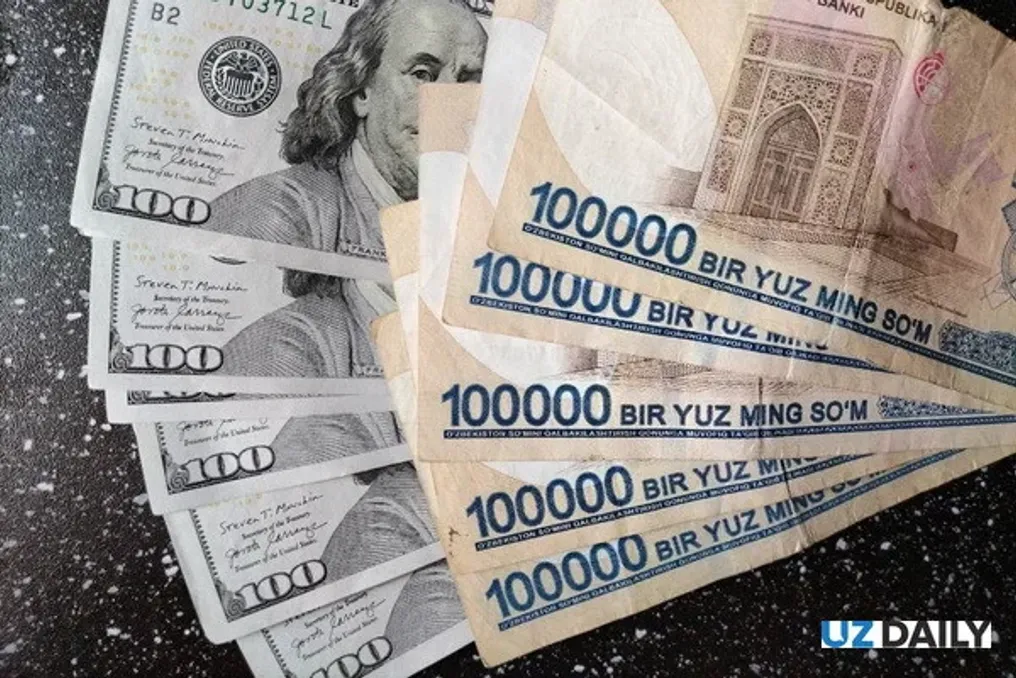
According to data from September 18, the US dollar exchange rate against the sum remained around the 11,800 mark, showing minor fluctuations compared to the previous period. Overall, September proved relatively calm for the national currency.
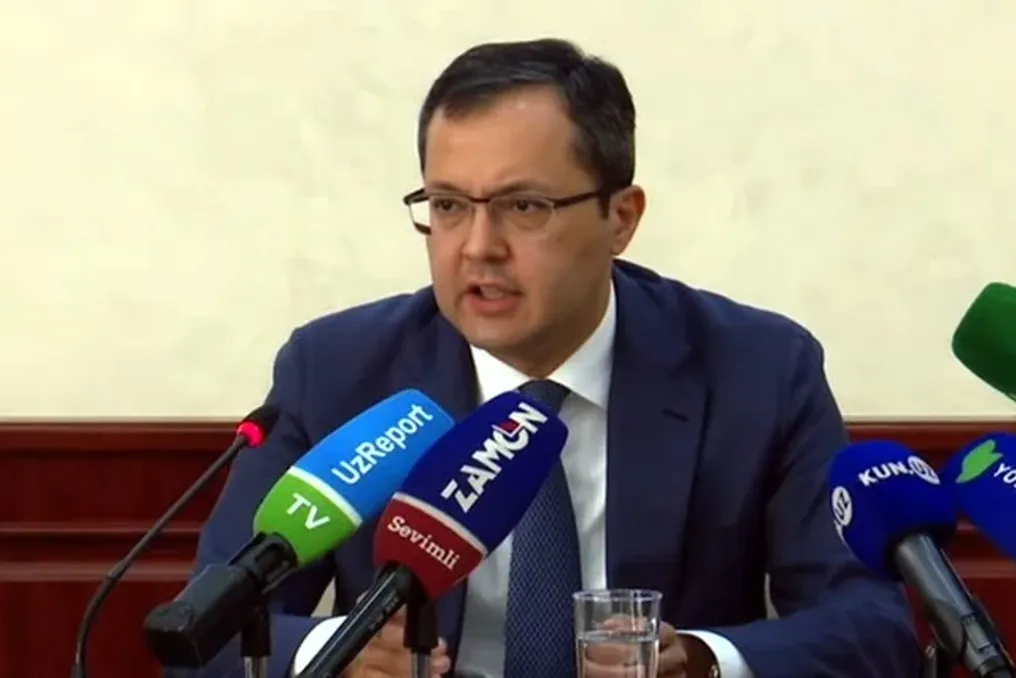
Following a noticeable strengthening in August, the currency pair stabilized in the range of 11,750–11,850. The main macroeconomic event was the meeting of the Central Bank of Uzbekistan held on September 16.
The regulator decided to keep the key rate at 14%, despite the further slowdown in annual inflation—it decreased from 6.4% in July to 6.2% in August. Meanwhile, core inflation fell to 5.5%.
The Central Bank explained that maintaining a tight monetary policy is due to stable domestic demand and the potential risk of secondary effects from increasing regulated tariffs. A high real interest rate is an important factor supporting the sum, as it stimulates savings in the national currency and gradually limits credit activity.
Additional support comes from the inflow of foreign currency from the population. In the first half of the year, cross-border transfers increased by 13%, reaching 9.3 billion US dollars. Furthermore, banks acquired 12.3 billion US dollars in foreign currency from private individuals, compared to the 6.8 billion US dollars sold to the public.
Nevertheless, strong consumer and investment demand continues to increase the economy's need for external purchases and foreign currency. The Central Bank itself points to risks associated with high global prices for raw materials, food, and energy, which could raise import and logistics costs.
In this regard, the basic range for the USD/UZS pair remains within 11,700–11,950 for the upcoming week. The Central Bank's tight policy and stable inflow of foreign currency limit the possibilities for the dollar's appreciation, but the potential for further rapid strengthening of the sum also appears limited.