Isfahan, one of Iran's most famous historical cities, is renowned for its magnificent mosques, palaces, bridges, and traditional art forms. Once the capital of Iran during the Safavid era, the city remains one of the country's most important centers for culture and tourism. However, beyond the more well-known attractions, Isfahan offers visitors a more intimate way to experience Iranian culture—through music.
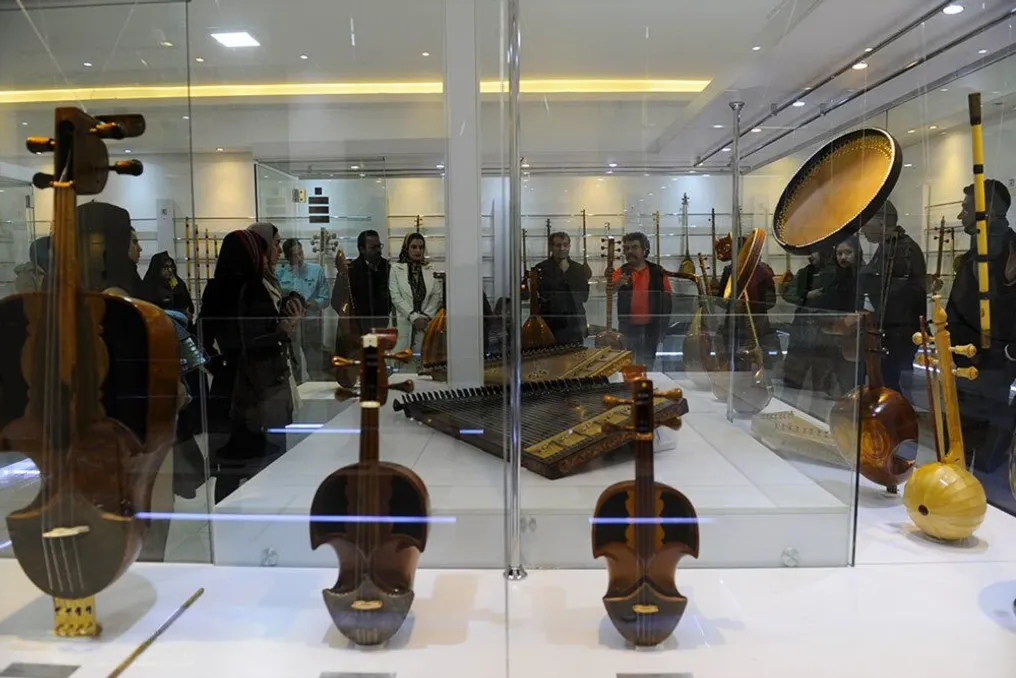
The Isfahan Music Museum, located in the historic Jolfa district, is a unique cultural institution dedicated to the nation's musical heritage. Established in 2015, it houses over 300 national and regional Iranian musical instruments.
For travelers interested in Persian culture, the museum provides an opportunity not only to see traditional instruments but also to hear them played, learn about the musicians who used them, and observe the crafting process of some of them. Thus, visiting the museum feels more like an immersion into the living traditions of Iranian music than viewing a static collection.
The collection demonstrates the exceptional diversity of musical traditions across Iran. Some instruments are linked to classical traditions, while others belong to the musical cultures of specific provinces, ethnic communities, and nomadic groups.
A major part of the museum is dedicated to national musical instruments. Here, visitors can encounter familiar instruments of Persian music, such as the tar, setar, kamancheh, and daf, among many others. The exhibits help explain not only the appearance of the instruments but also how they are played and the role they played in Iranian music. Audiovisual materials allow visitors to hear the characteristic sound of individual instruments, making the collection accessible even to those unfamiliar with Persian music.
The kamancheh, a bowed string instrument, is particularly associated with classical Persian music, while the tar and setar are among the most well-known representatives of Iran's long-necked lute tradition. The collection is supplemented by percussion, wind instruments, and other types of strings.
Many visitors find the physical construction of the instruments as interesting as their sound. Their wood, strings, skins, and decorative elements reflect generations of specialized craftsmanship.
The museum also features a section dedicated to regional and folk instruments, offering a broader view of Iran's musical geography. Iran is home to numerous local musical traditions, and instruments can vary significantly from one region to another. The collection includes instruments associated with communities whose musical practices developed in relation to their specific landscapes, occupations, ceremonies, and social traditions.
This section is especially useful for tourists wishing to move beyond the commonly known image of classical Persian music and discover the variety of sounds present throughout the country. Audio and video materials accompanying the exhibits show how individual instruments are used, helping visitors connect the object in the display case with the musical tradition from which it originates.
Among the more unusual items are traditional drums, reed instruments, and instruments associated with nomadic communities, including camel bells. Thus, the collection shows that music in Iran has historically extended far beyond concert halls and formal performances.
Another part of the museum is devoted to prominent figures in Iranian music, with a special focus on musicians connected to Isfahan. This section introduces visitors to famous artists and their contribution to Iranian musical culture. For visitors, this part of the museum provides historical context for the instruments displayed elsewhere. Instead of viewing musical instruments merely as objects, visitors can see their connection to the musicians, teachers, and performers who helped preserve and develop Iranian musical traditions.
The museum also has a workshop where visitors can learn about the artisanal labor required to create Iranian musical instruments. Instrument making requires deep knowledge of materials, proportions, acoustics, and traditional construction methods. Observing this process helps to understand why a musical instrument can be both a functional object and a work of art.
This section is particularly relevant to the broader artistic heritage of Isfahan. The city has long been associated with skilled artisans and traditional crafts, and the workshop demonstrates the intersection of craft and performing arts in the production of musical instruments.
One of the museum's distinguishing features is that the experience does not end with the exhibitions. After the tour, visitors can attend a live performance of traditional Persian music. This intimate presentation introduces the audience to the sounds of the instruments they have just seen and establishes a direct link between the museum's collection and contemporary musicians.
Visitors can also have the opportunity to touch and try some of the less valuable instruments, making the visit more interactive. The combination of guided tours, audiovisual materials, and live performance makes the museum accessible to both specialists and travelers encountering Iranian music for the first time.
The museum gained recognition shortly after its opening. According to sources, in 2016, it received high praise for its technical principles and physical standards from the Iranian branch of ICOM, and was recognized by the country's cultural authorities as the best private museum.
Its location in Jolfa also makes it a convenient stop during a broader exploration of Isfahan. The historic Armenian quarter is known for its churches and cultural monuments, including the Vank Cathedral, while the city's main attractions, such as Naqsh-e Jahan Square and the traditional bazaar, are located elsewhere in the historic center. The museum offers a quieter and more specialized cultural experience alongside these main landmarks.
For international travelers, the Isfahan Music Museum is particularly valuable because it presents an aspect of Iranian heritage that cannot be fully understood through architecture and visual arts alone. Music has accompanied Iranian poetry, celebrations, rituals, ceremonies, and daily life for centuries, and the instruments preserved here serve as tangible evidence of this ongoing tradition.