Dates and Auspicious Time to Begin Sharadiya Navratri 2026
Read more
Aaj Tak
www.aajtak.in

Dates and Auspicious Time to Begin Sharadiya Navratri 2026

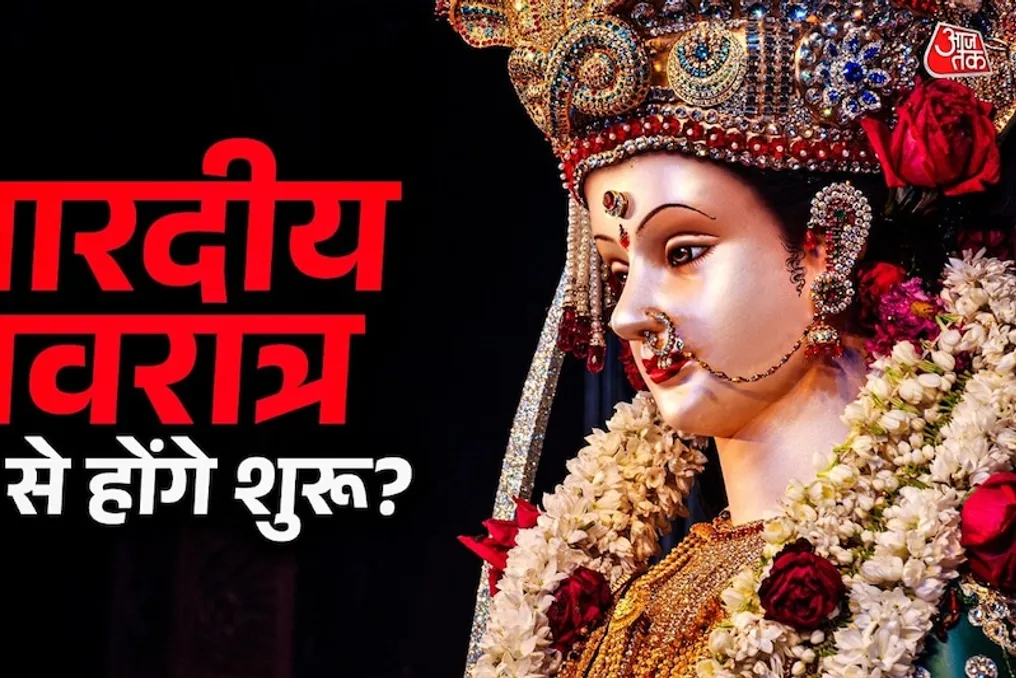
Sharadiya Navratri begins annually on the first lunar date of the Ashvin month. In 2026, this festival will start on October 11 and conclude on October 19. According to tradition, during these sacred days, worship is offered to nine different forms of Mother Durga. It is believed that the wishes of all devotees who observe the fast and worship the goddess with complete faith will be fulfilled.

According to the Hindu Panchang, the Ashvin Shukla Pratipada date will begin on the evening of October 10 around 21:19 and last until 21:30 on October 11. However, according to the rising date, the first day of Navratri will be recognized as October 11. Following this, nine days will be dedicated to worshipping the nine different aspects of Mother Durga.

The auspicious time for installing the pot (Kalash Sthapana) on October 11 will be from 06:19 AM to 10:12 AM, providing approximately three hours and 52 minutes. Additionally, the installation of the pot is also possible during Abhijit Muhurta, from 11:44 AM to 12:31 PM.

The festival calendar is as follows: October 11 — Maa Shailputri; October 12 — Maa Brahmacharini; October 13 — Maa Chandraganta; October 14 — Maa Kushmanda; October 15 — Maa Skandmata; October 16 — Maa Katyayani; October 17 — Maa Kalratri; October 18 — Maa Mahagauri; October 19 — Maa Siddhidatri.

The festival dedicated to Mother Durga begins with the installation of the pot on the Pratipada day. During the auspicious time, a statue or image of Mother Durga is placed on a platform, next to which the pot is placed. Water from the Ganges, a coin, incense (supari), and turmeric root are added to the pot, and it is covered with a coconut. The coconut is wrapped in a red scarf and then tied with a ritual thread (kalava).

The mouth of the pot is tied with Ashoka leaves and placed next to the goddess's altar. Then, a continuous fire (Akhand Jyoti) is lit before the goddess's altar, striving to keep it burning throughout the Navratri period. Daily, devotees take a bath, wear clean clothes, and perform ritual worship of the various forms of the goddess. Only sattvic food is consumed on these days, and the devotee may observe a fast by eating fruits or only water.
Similar stories

Information on the auspicious time to celebrate Hartalika Teej in 2026, including times for worship and fasting completion
Read more
www.aajtak.in

Information on the auspicious time to celebrate Hartalika Teej in 2026, including times for worship and fasting completion

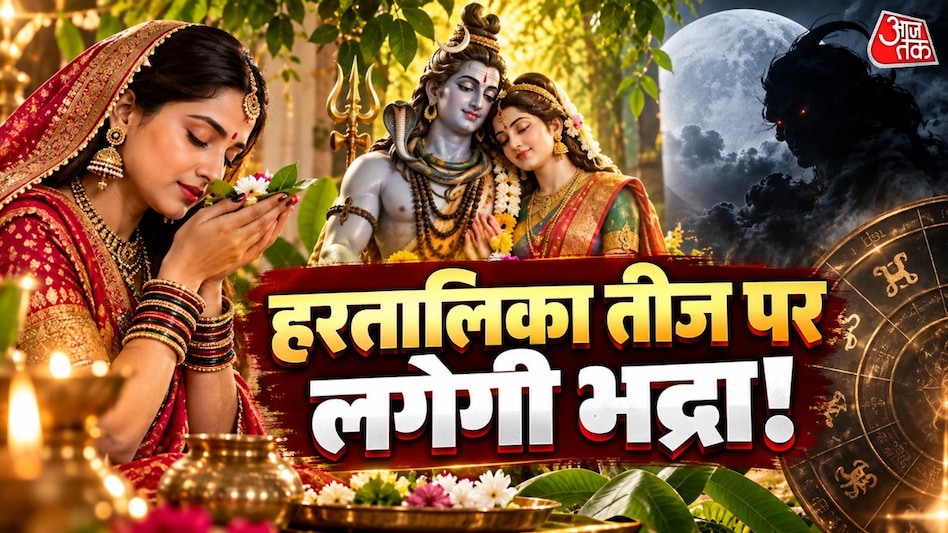
In 2026, the Hartalika Teej fast will be observed on September 14. This significant fast falls on a rare confluence of circumstances as it occurs on a Monday, which is Lord Shiva's favorite day. Additionally, Ganesha Chaturthi is celebrated on this day. It is important to note that the influence of Bhadra will also be present during this period.

According to the Hindu Panchang, the date of Bhado Shukla Tritiya this year will begin on September 13 at 7:08 AM and conclude on September 14 at 7:06 AM. Based on the rising date, the Hartalika Teej fast will be observed on September 14, a Monday.

This year, the influence of Bhadra will be active during the Hartalika Teej fast. According to the Dik Panchang, Bhadra Kala will commence on September 14 at 7:20 PM and end on the following day, September 15, at 6:06 AM.

Some people are concerned that Bhadra Kala will be active during evening rituals and at the completion of the fast the next day. However, astrologers assert that this Bhadra will not be on the Earth's surface, so it will have no effect on the Hartalika Teej fast. Therefore, worship of the deities can be performed during Pradosha Kala on the evening of September 14, and the fast can be concluded during Abhijit Muhurta the following morning.

There are several auspicious time intervals for performing rituals: Brahma Muhurta—from 4:32 to 5:19 AM; Highest Muhurta—from 6:05 to 7:06 AM; Daytime Worship Muhurta—from 11:52 AM to 12:41 PM; and Evening Worship Muhurta—from 6:28 PM to 7:37 PM. The time for completing the fast is set from the sunrise on September 15 until 7:44 AM.

At the beginning of the day, after bathing, one should take the vow of fasting and worship. Proper worship of Lord Shiva and Mother Parvati must be performed. Throughout the day, one should listen to mantras, participate in worship, and listen to stories. In the evening, using clay to create figures of Shiva and Parvati, and cow dung to create a figure of Ganesha, they should be worshipped during Pradosha Kala. On this day, married women should adorn themselves with sixteen types of ornaments and also bring ornaments for Mother Parvati. During the worship, new clothes, bamboo and Dlia baskets, ornaments, incense, lamps, offerings, fruits, and white sweets should be used. After this, Aarti should be performed for Lord Shiva and Mother Parvati, the story of Hartalika Teej should be listened to, and the deities' mantras should be chanted.

फिल्ड:
Pitru Paksha Calendar 2026: Start and Dates of Shraddha Rituals
Read more
www.aajtak.in

Pitru Paksha Calendar 2026: Start and Dates of Shraddha Rituals

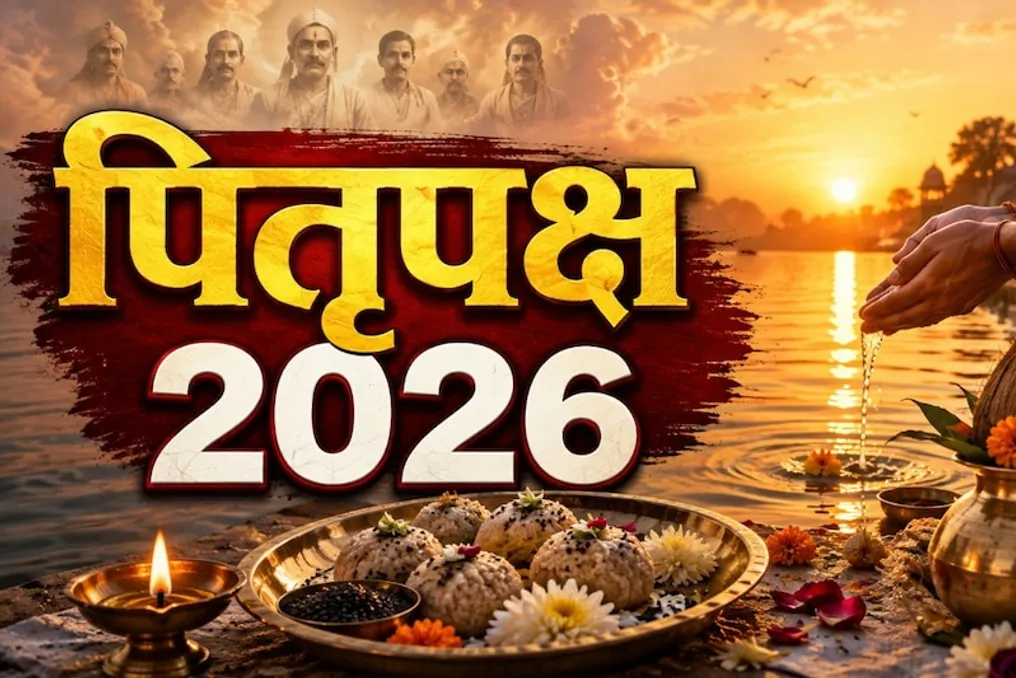
The period of Pitru Paksha is approaching, which is an important time in Hinduism for honoring ancestors and expressing reverence towards them. This period is also known as Shraddha Paksha. According to the Hindu Panchang, the start of Pitru Paksha this year is scheduled for September 26th. During this sacred time, Shraddha, Tarpan, and offering rituals are performed in memory of deceased ancestors.

The Pitru Paksha period concludes on Sarvapitri Amavasya. During this time, families remember their departed relatives and perform religious rites for their spiritual peace, including Tarpan and Pindadana.

According to the Hindu Panchang, Pitru Paksha will begin on September 26, 2026, and end on October 10, Sarvapitri Amavasya. On this day, Shraddha is observed on Pournima Tithi. After this day, Shraddha rituals will be conducted according to various dates. There are different Shraddha dates during Pitru Paksha, starting from Pratipada and ending with Amavasya. Tradition states that Shraddha is performed on the death anniversary of a specific ancestor.

The dates include: September 26 — Shraddha on Pournima; September 27 — Shraddha on Pratipada; September 28 — Shraddha on Dwitiya; September 29 — Shraddha on Tritiya; September 30 — Shraddha on Chaturthi; October 1 — Shraddha on Shashti; October 2 — Shraddha on Saptami; October 3 — Shraddha on Ashtami; October 4 — Shraddha on Navami; October 5 — Shraddha on Dashami; October 6 — Shraddha on Ekadashi; October 7 — Shraddha on Dwadashi; October 8 — Shraddha on Trayodashi; October 9 — Shraddha on Chaturdashi; and October 10 — Sarvapitri Amavasya.

The ritual of Tarpan holds great significance during Pitru Paksha. Devotees remember their ancestors by mixing black sesame seeds, Kusha grass, and pure water. Water is then offered to them. During this period, a 'pind' is prepared—a ball made of cooked rice, barley flour, black sesame seeds, milk, ghee, and honey—and it is offered to the ancestors. It is also considered auspicious to feed the needy and engage in charity during Pitru Paksha. To earn the grace of ancestors, especially on Sarvapitri Amavasya, it is recommended to prepare favorite food for the ancestors and distribute it to the poor.

Aja Ekadashi 2026 Date: Information on the Date and Auspicious Time to Conclude Fasting
Read more
www.aajtak.in

Aja Ekadashi 2026 Date: Information on the Date and Auspicious Time to Conclude Fasting

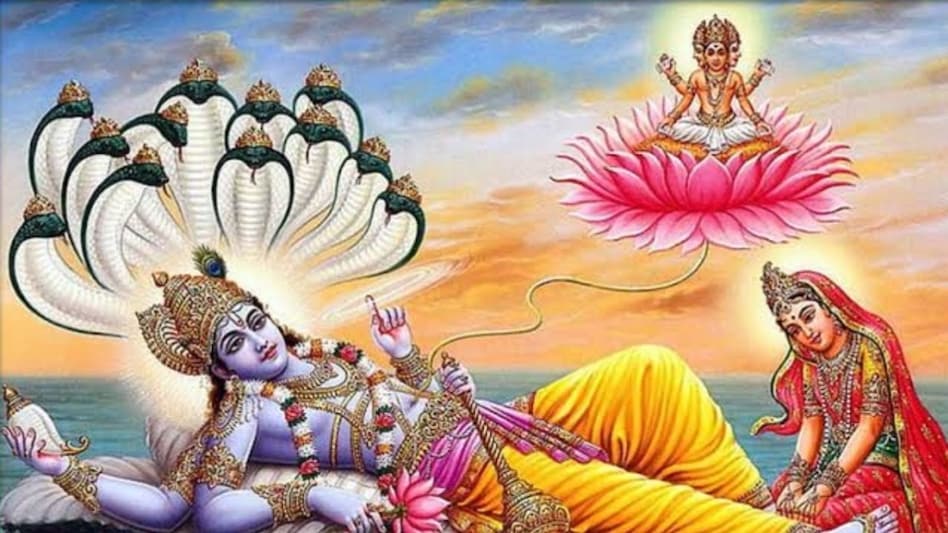
In Hinduism, the date of Ekadashi holds special significance as it is dedicated to the worship and reverence of Lord Vishnu. For followers of Vaishnavism, the Ekadashi days are nothing less than a festival. On this day, believers observe a fast and perform ritual worship of Lord Vishnu and Goddess Lakshmi.

According to religious beliefs, worshipping Lord Shrihari Vishnu and the goddess of wealth Lakshmi on Ekadashi day helps increase longevity, happiness, luck, and prosperity. Furthermore, it brings peace to the soul and opens the path to liberation from life's difficulties. If you strive to receive the blessings of Lord Vishnu, you can observe the fast and perform worship on Ekadashi day with sincere faith and adherence to rules.

About the Significance of Aja Ekadashi 2026

According to the Hindu Panchang, the Aja Ekadashi fast in 2026 will be observed on September 7, Monday. The Ekadashi date will begin on September 6 at 19:29 and end on September 7 at 17:03. The conclusion of the Aja Ekadashi fast (Paran) will take place on September 8, Tuesday, from 06:02 to 08:33.

Significance of Aja Ekadashi

Ekadashi in the month of Bhadrapada, on the dark side of the moon, is known as Aja Ekadashi. According to mythological beliefs, observing the Aja Ekadashi fast helps a person free themselves from all ignorant sins and sufferings committed both in past and present lives. This fast is considered extremely beneficial for restoring lost happiness, prosperity, respect, and wealth in life. There is a belief that in ancient times, King Harishchandra also restored his lost kingdom and family by observing this Aja Ekadashi fast according to established rituals.

Ritual Worship of Aja Ekadashi

On the day of Aja Ekadashi, one should wake up early during Brahma Muhurta and clean the house. After that, one must take a bath and wear clean clothes. It is considered auspicious to mix the bathing water with Ganges water. Then, one needs to purify the place of worship, set up an altar, and place an image or idol of Lord Vishnu and Goddess Lakshmi on it. Lord Vishnu should be offered yellow garments, yellow flowers, and Tulsi leaves. After this, incense, lamp, sandalwood, and offerings should be made. During worship, it is recommended to recite mantras of Lord Vishnu, and one can also read Vishnu Sarasanam. In conclusion, one should pray to Lord Vishnu and Goddess Lakshmi for the well-being, peace, and happiness of the family.

Urgent Methods for Aja Ekadashi Day

Worship of Tulsi and Offering Water

In the evening on Ekadashi day, before the Tulsi plant, light a ghee lamp and circumambulate while chanting the mantra 'Om Namo Bhagavate Vasudevaya'. (It is important to remember that Tulsi leaves should be collected in the morning on Ekadashi day, and water should not be poured on the plant in the evening).

Donations of Yellow Items

Making donations of yellow clothing, bananas, chana lentils, saffron, or yellow sweets to a needy person or Brahmin on Aja Ekadashi brings special grace from Lord Vishnu and removes financial difficulties.

Offering Rice or Noodles to Goddess Lakshmi

During the evening worship, an offering of noodles or rice porridge mixed with Tulsi leaves should be presented to Goddess Lakshmi and Lord Vishnu. This attracts happiness into the home and removes financial obstacles.

Reading Vishnu Sarasanam or Stories of Ekadashi

On this day, it is mandatory to listen to or read a story about Aja Ekadashi. Reading Vishnu Sarasanam also helps relieve mental stress and promotes success in professional activities.

Popular