Road trip to Rhodes: A high-altitude route through the Eastern Cape in South Africa
Read more
Getaway
getaway.co.za

Road trip to Rhodes: A high-altitude route through the Eastern Cape in South Africa

There are car journeys where the main value lies in the final destination, and there are those where the journey itself is the primary reason for traveling. Naturally, the trip to Rhodes, located in the highlands of the Eastern Cape, falls into the latter category.

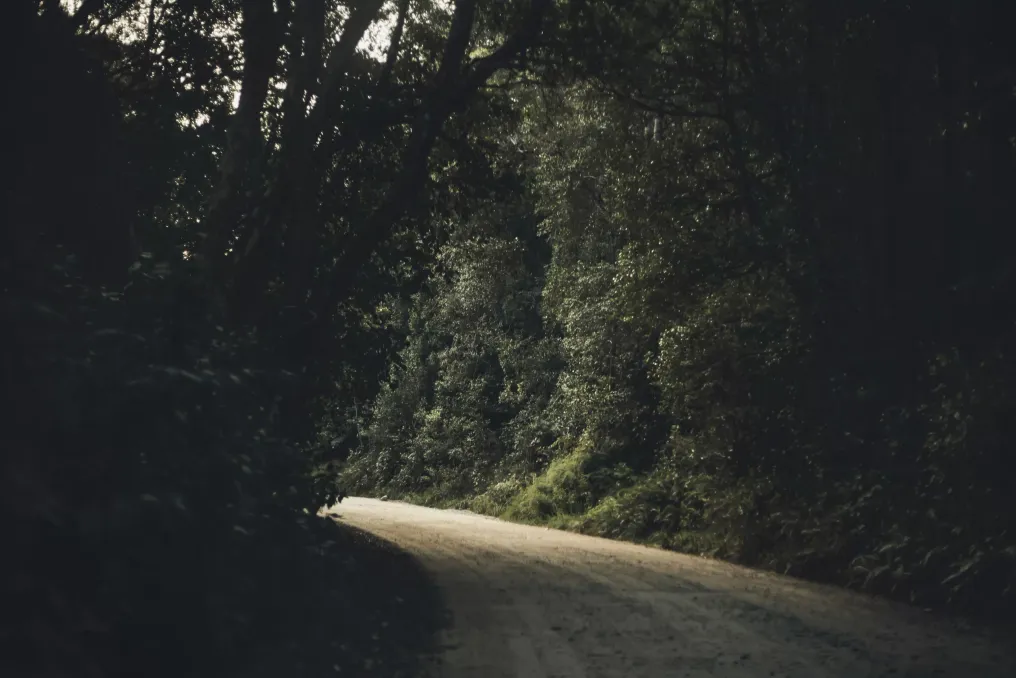
As one moves away from Barclay East, the landscape begins to transform: traffic decreases, roads narrow, and asphalt gives way to gravel as mountains surround the horizon. At some point, the town seems very distant.

This journey is intended for long hours behind the wheel, a cup of black coffee on the roadside, quiet music, and landscapes that momentarily make you forget conversation.

And then Rhodes appears. This village is situated beneath the southern Drakensberg, near the Lesotho border, at an altitude of approximately 1820 meters above sea level. It was founded on the Tirnton farm and officially proclaimed in 1891; its historical appearance has been protected since it was declared a nature reserve in 1997.

Getting there requires effort, and as is known, everything that challenges richly rewards.

Barclay East serves as a sensible entry point to Rhodes. From here, the R396 road travels about 60 kilometers to the village, predominantly on gravel. Tiffindell advises travelers to refuel in Barclay East, as there are no gas stations in Rhodes or the resort itself.

The road itself is the main attraction. The highlands of the Eastern Cape unfold in layers of grassy mountains, valleys, and streams. There are few bright tourist signs here; instead, the landscape rewards those who slow down and stop when a view catches their attention.

Take your time. Travel during the day, check conditions before setting off, and remember that the weather can change rapidly at different altitudes. Most importantly—don't rush on the gravel.

Every long drive needs an iconic soundtrack. For this route, it is better to choose atmospheric rather than energetic music.

Similar stories

Seven South African Destinations for a Packed Day with Diverse Activities
Read more
getaway.co.za

Seven South African Destinations for a Packed Day with Diverse Activities

Thanks to the diverse landscapes of South Africa, it is easy to plan days that combine nature, culture, wildlife, adventure, and gastronomy. These seven locations are ideal for travelers who prefer constant movement, as each offers a unique combination of experiences located close to one another.

Oudtshoorn, situated between the Swartberg and Outeniqua mountains, is one of the best places in South Africa for a dynamic day. This town in the Klein Karoo region is known for its ostrich farms, impressive scenery, and Cango Caves.

The day can begin with a visit to the Cango Caves, where tours allow visitors to explore a network of ancient limestone chambers and formations. These caves offer a completely different perspective on the Klein Karoo landscape and are one of South Africa's most famous natural attractions.

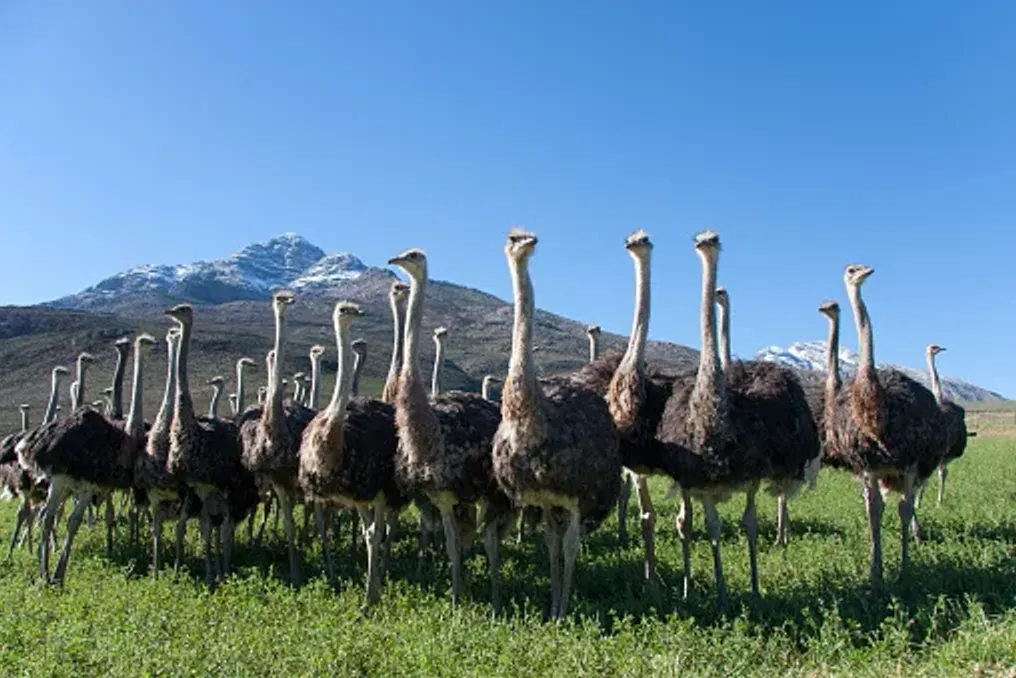
Upon returning to the surface, attention should be paid to the world's largest bird. Oudtshoorn is famous as the ostrich capital, and a visit to an ostrich farm provides an opportunity to learn about the birds as well as the history of animal husbandry that shaped this region. The day can conclude with a meal showcasing the tastes and produce of the Klein Karoo. If you have extra time, De Raadtsdrift nearby is worth a visit.

Combination: Underground Adventure + Wildlife + Food

Franschhoek is usually associated with wine and fine dining, but there are many activities before lunch. The valley combines mountains, active recreation, Huguenot heritage, galleries, restaurants, and wineries, making it easy to create a varied day.

Start with a walk or hike in the Mont Rochelle Nature Reserve. The reserve offers the chance to experience the mountains and fynbos surrounding the valley before returning to the village. Activities in this area also include cycling, horse riding, and paragliding. Then head to Franschhoek to explore its Huguenot heritage. The Huguenot Monument and adjacent historical sites provide insight into the influence of French Huguenots on the valley, while a stroll down the main street passes by galleries, shops, and restaurants. The day can end at one of the valley's restaurants or wineries. Franschhoek offers everything: from relaxing farm-style picnics to more formal lunches, often with views of the mountains and vineyards.

Combination: Mountain Air + Heritage + Food and Wine

Hermanus is particularly good for outdoor activities. During whale season, you can start with marine life watching, spend the middle of the day exploring the town, and finish with a meal overlooking the coast. Southern Right Whales arrive in this area around June, making the town one of the most renowned spots for land-based whale watching in South Africa.

Begin your journey along the Hermanus Cliff path, which stretches about 12 kilometers along the coast. You don't have to complete the entire route; choose a section and stop at viewpoints to watch Whale Bay, keeping an eye out for whales during the season. After walking along the coast, explore Hermanus's galleries, markets, or museums. The town has a strong artistic and cultural scene alongside its history as a fishing and agricultural community. The day can conclude with seafood or other local cuisine. Hermanus is part of the UNESCO Creative Cities Network as a Gastronomy City, and its culinary scene ranges from seafood restaurants to farm-to-table dishes and local markets.

Combination: Marine Life + Walk + Food and Culture

Stellenbosch is another destination where you can do much more than just visit a winery. This historic university town combines active recreation, gardens, heritage, art, food, and wine, offering numerous attractions that are close enough to fit into one day. Start at the Stellenbosch Botanical Garden in the city center. The garden features local and exotic plants, shaded paths, streams, and ponds, providing a tranquil start before heading to the busier historic center.

Next, you can move into the old town and visit the Stellenbosch Village Museum or stroll through the historic streets. Stellenbosch is the second oldest city in South Africa, and its Cape Dutch architecture, museums, and galleries give the center a distinct character. Instead of spending the whole day at a winery, make the latter part of the day active. Jonkershoek offers hiking and adventure activities, while other options around Stellenbosch include cycling, zip-lining, and non-motorized scooter trails. The day can then conclude with a meal or wine tasting at one of the local wineries.

Combination: Gardens + Heritage + Adventure

Graaff-Reinet offers a completely different kind of packed day, combining dramatic landscapes with one of South Africa's most historic cities. Founded in 1786, the city boasts an impressive collection of historic buildings and museums, while the surrounding Gamtoos landscape provides numerous opportunities for outdoor activity. Start at the Lone Creek Valley in Gamtoos National Park. The viewpoint is surrounded by high dolerite cliffs and vast views of the Karoo. Hiking trails are also available, including the short Kraag Lizard trail.

Back in the city, you can explore the Graaff-Reinet museum complex. Riet House, Old Residence, Urkhart House, and the Military History Museum each offer a different view of the city's past. Art lovers will also appreciate the Hester Rupert Art Museum. Conclude the day with a Karoo-style meal before heading back out into the landscape for an afternoon or evening trip. For something different, you can visit Karoo Origins, which combines fossils and ancient history with a coffee shop and local wine, offering another way to end the day.

Combination: Karoo Landscapes + History + Culture

Durban allows you to organize a packed day without leaving the city limits. Its waterfront, gardens, and unique culinary culture offer three seemingly very different experiences despite their relative proximity. Start near the Indian Ocean with a walk, bike ride, or swim along Golden Mile. The waterfront is one of Durban's defining attractions and offers many opportunities for fresh air before the midday heat sets in. Next, replace the ocean with the greenery of the Durban Botanic Gardens. The gardens provide a calm contrast to the waterfront and are a good place to spend a couple of hours exploring plant collections and landscape areas. The day can conclude with bunny chow—a bread filled with curry. This curry-filled bread is one of Durban's most recognizable dishes and reflects the city's strong Indian culinary influence. A guide from Durban Tourism specifically highlights bunny chow as a must-see spot in the city.

Combination: Ocean + Gardens + Culinary Culture

Johannesburg suits travelers who want their packed day to be more urban. Instead of moving between natural attractions, you can spend the day moving across different parts of the city—from its complex history to its modern creative scene and more energetic entertainment. Start at the Apartheid Museum and allocate enough time to thoroughly study its exhibits. The museum provides important context for understanding 20th-century South African history and the legacy of apartheid. After the museum, completely change pace by visiting one of Johannesburg's creative districts, galleries, or street art zones. The contrast between the historical focus of the morning and the modern art scene and city design is part of what makes Johannesburg interesting. End the day with an adventure or entertainment event, rather than another museum. Depending on interests, this could mean an adrenaline activity, live entertainment, district exploration, or simply finding a lively spot for dinner.

Combination: History + Creativity + Adventure

The appeal of these destinations lies not just in having many attractions, but in the contrast between them. In Oudtshoorn, you can transition from ancient caves to the ostrich country, and then sit down for a Karoo-style meal. In Hermanus, the day can range from whale watching to art and coastal cuisine. In Stellenbosch, gardens, heritage, and active recreation can fit into one itinerary. This diversity also makes these destinations useful for groups with different interests. One person can get their dose of nature, another can explore history and culture, and everyone can meet again when it's time to eat.
Three-Day Route Through Zimbabwe's Eastern Highlands: From Nyanga National Park to the Mbumba Mountains
Read more
getaway.co.za

Three-Day Route Through Zimbabwe's Eastern Highlands: From Nyanga National Park to the Mbumba Mountains

Zimbabwe's Eastern Highlands represent a completely different side of the country, offering cool mountain air, winding roads, tea-covered valleys, waterfalls, and small settlements.

A three-day trip allows visitors to combine the impressive landscapes of Nyanga with the misty forests and gardens of the Mbumba Mountains. Although the Eastern Highlands stretch along Zimbabwe's eastern border with Mozambique, attempting to see the entire region in a weekend will result in excessive driving time. Therefore, this itinerary focuses on two of the most unique areas: Nyanga and the Mbumba Mountains.

The route should begin in Nyanga, where Zimbabwe's landscape transforms from open plains to rolling hills, forests, streams, and deep gorges. Nyanga National Park is home to Mount Nyangani, Zimbabwe's highest peak at 2592 m, as well as Mutarazi Waterfall, which stands at 762 m high.

The first day is recommended to be taken at a leisurely pace. After checking in, you can enjoy the mountain scenery and spend the second half of the day exploring more accessible viewpoints and waterfalls in the park. The World’s View viewpoint gives an idea of Nyanga's scale, offering wide views of the surrounding mountains and valleys, demonstrating how different this Zimbabwe is from the country's more famous tourist destinations.

Instead of rushing through a list of attractions, it is worth slowing down. The Eastern Highlands are ideal for a more relaxed journey, where after a scenic drive, a short walk, and a long lunch, an entire day can easily be filled. Another worthy stop is the Nyangombe Falls, where the river crashes through a granite canyon surrounded by highland scenery. This is a simple addition to a day in Nyanga and offers a quieter alternative to some of the region's major sights.

Nyanga National Park is also known for its streams and dams, trout fishing, and rich avifauna, with over 300 bird species recorded. Since the cool mountain climate is part of Nyanga's appeal, especially after long periods outdoors, it is recommended to end the day in a warm and comfortable place.

Starting early in the morning, one should head towards Mutarazi Waterfall, Zimbabwe's highest waterfall. At 762 m high, it is one of the defining features of the Eastern Highlands, plunging sharply from a cliff into the Honde Valley. The journey itself is part of the experience, as the roads wind through the mountainous landscape before the scenery begins to change as you descend into a warmer, greener valley.

Mutarazi Waterfall deserves more than just a quick photo. The scale of the drop and the views of the Honde Valley make this spot one of the most spectacular in the Eastern Highlands. Visitors seeking more adventure can visit the Skywalk above Mutarazi Waterfall, while those preferring a gentler experience can simply enjoy the views and the surrounding nature. Furthermore, the appearance of the waterfall can change significantly depending on the season due to water level fluctuations.

From the cliff, the road descends into the Honde Valley, where the landscape becomes more tropical and warm. This fertile valley grows tea, bananas, mangoes, avocados, and other crops, and small farms and communities are located beneath the mountains. It is here that the route goes beyond mountain viewpoints and waterfalls, adding an agricultural and social dimension to the trip.

The Honde Valley shapes its landscape through tea plantations, farms, and rural villages. The valley is increasingly developing areas related to farm visits, hiking, camping, and community-based tourism, allowing travelers to interact with the region beyond its natural beauty. Tea plays an important role in the history of the Eastern Highlands, and plantations, including Aberfoil and others, have long been associated with the Honde Valley. Rather than viewing the valley merely as a thoroughfare, it is worth stopping to have tea, sample local produce, or have lunch if opportunities exist. Some tours and experiences on the plantations may require advance booking, so it is advisable to check this information before traveling.

Later in the day, one should head to Mutare or the Mbumba Mountains to spend the last night. The final day leads to the Mbumba Mountains, located southeast of Mutare. Mbumba, or Vumba, is associated with mist, and this area has a distinctly different character compared to Nyanga: dense forests, gardens, avifauna, and mountain roads often disappear into low clouds.

Mbumba is an excellent place to slow down after two days of driving and sightseeing. The Mbumba Botanical Gardens are one of the most famous attractions in the area and are an ideal spot for a leisurely morning. The gardens are situated among the mountains and surrounded by lush scenery, making this part of the Eastern Highlands particularly appealing. One can take a walk, observe birds, and enjoy the cool forest atmosphere before continuing the journey.

Mbumba offers numerous opportunities for walking and trekking, ranging from easy routes to longer ones. Hiring a local guide is recommended for exploring some trails, especially if you are unfamiliar with the mountains and changing conditions. It is also a good chance to leave the car behind for a while. After two days of driving on mountain roads and visiting scenic spots, a walk in the forest offers a different way to experience the Highlands.

Before leaving the mountains, time should be set aside for another slow stop. Mbumba has cafes, gardens, and small visitor-oriented businesses where one can pause for coffee, tea, or a light meal. If the weather is clear, the day can be concluded at one of the viewpoints overlooking the mountains and towards Mozambique. On foggy days, the shifting clouds and forest landscape become part of the experience themselves. From here, one can continue the journey to Mutare and beyond, taking away a completely different perception of Zimbabwe.

While Victoria Falls and safaris may dominate many Zimbabwe itineraries, the Eastern Highlands reveal a softer, greener side of the country. In three days, one can move from the high-altitude landscapes of Nyanga to the dramatic drop of Mutarazi Waterfall, descend into the tea regions, and finish among the forests and gardens of Mbumba. This journey is best enjoyed without trying to see every attraction. Time must be left for roadside stops, a cup of tea with a mountain view, conversations with locals, and unexpected sights appearing around the next bend.

Cape Town Observatory Holds Night Tours and Open Evenings in September
Read more
getaway.co.za

Cape Town Observatory Holds Night Tours and Open Evenings in September

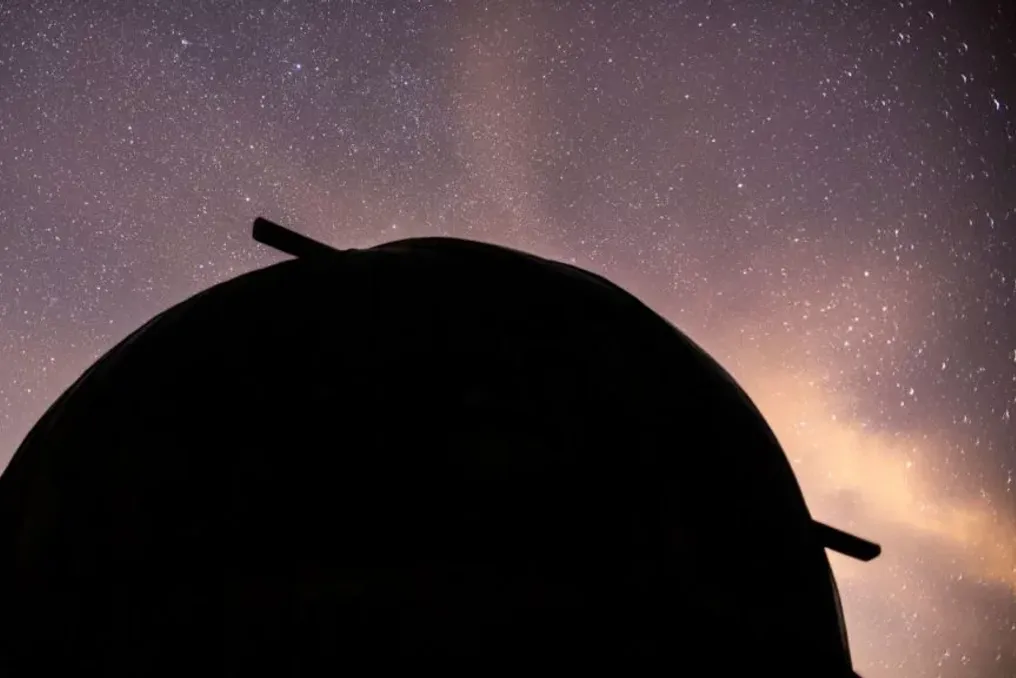
Residents of Cape Town looking for an alternative way to spend their evening can look up at the sky in September, as the South African Astronomical Observatory (NRF|SAAO) will open its historic facility for a series of night tours and open evenings.

Located at the Observatory on the grounds of the former Royal Observatory, NRF|SAAO combines astronomy with the history of one of the city's long-standing scientific institutions. The historic building of this site is recognized as a national heritage object.

Night tours offer visitors the opportunity to tour the observatory after dark while learning more about the history of astronomy in South Africa. The program includes visits to the Main Building, Visitor Centre, and Museum, as well as the historic McClain building.

Under favorable weather conditions, the evening may conclude with stargazing through telescopes set up for public viewing. Night tours are scheduled for September 8, 10, 15, 17, 19, 22, and 24, running from 8:00 PM to 10:00 PM.

For those who prefer to combine astronomy with a science-oriented presentation, the observatory is also hosting Open Evenings on September 12 and 26. These evenings begin with a lecture on astronomy or a related scientific topic, followed by guided tours of the observatory's heritage sections. Guests can see the library, museum, and the historic McClain telescope, and if the weather is good, stargazing will be offered through mobile telescopes.

Currently, Open Evenings are held at the observatory on the second and fourth Saturday of every month, making the September dates part of its regular public program.

Important Notes for Visitors

Although the opportunity to view the telescope is a significant part of the experience, it is not guaranteed. SAAO notes that stargazing depends on weather conditions; if conditions do not allow for telescope use, the planned astronomy and heritage events will still take place.

Visitors should also be prepared for an evening that requires moving between different locations. The observatory recommends wearing closed shoes and warm clothing, and advises bringing rain protection in case of expected rain.

Advance booking is essential as space is limited. SAAO also indicates that the tour fees support the observatory's education, public outreach, and socio-economic development programs.

Thus, September offers Cape Town residents several opportunities to visit the observatory after dark to replace ordinary evening plans with something focused on science, history, and the night sky.

Popular