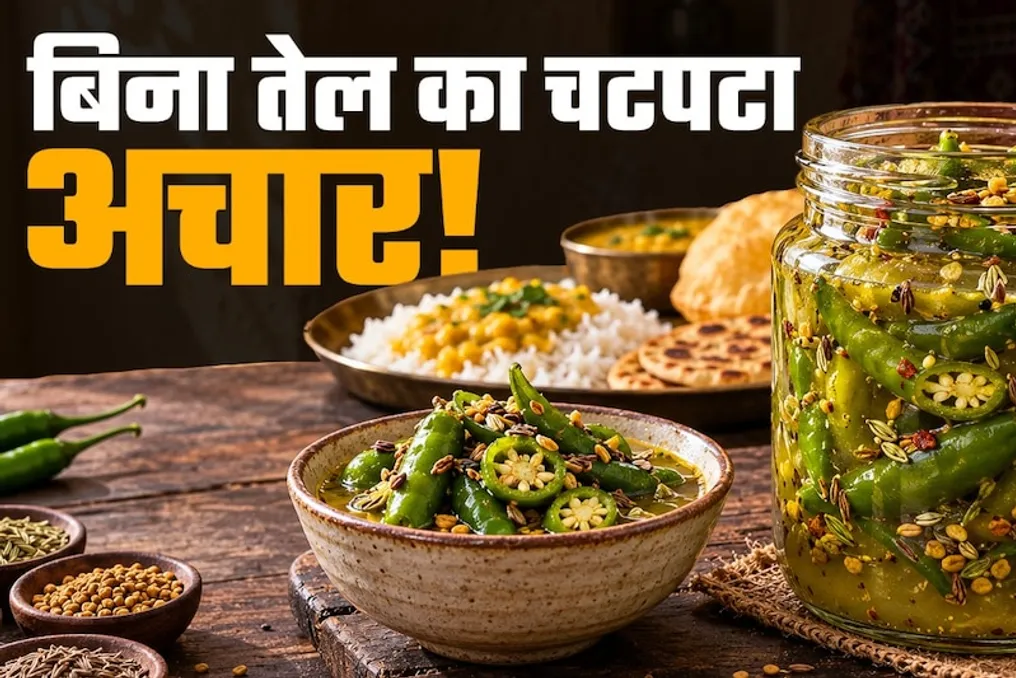
Famous pickled chili is prepared in Rajasthan using water instead of oil
Read more
Aaj Tak
www.aajtak.in

Famous pickled chili is prepared in Rajasthan using water instead of oil

Indian cuisine features numerous ingredients capable of enhancing the flavor of any dish, including various types of raita and pickles. A marinade not only enriches the taste of food but also makes it more piquant. However, when people hear the word 'marinade,' they often picture a large amount of oil. But is there a marinade that is prepared not in oil, but in water? If not, the famous green chili pickle from Rajasthan might surprise you.

This pickle requires no oil whatsoever. It is called water-pickled green chili or Mirchi ki Kanjhi. It is made from green chilies, spices, and water, possessing a sour-spicy and very pungent flavor. Let's learn more about this Rajasthani pickle, which turns out so wonderfully without oil that it enhances the taste of both bread and rice.

This is a traditional pickle made in Rajasthan, known in some places as Mirchi ki Kanjhi. Unlike regular pickles, oil is not the main ingredient. The green chilies are infused with the aromas of spices such as cumin, fennel, carom seeds, and mustard seeds, and then covered with water. Some add vinegar to enhance the acidity. After several days, the chili develops a sour-spicy and pungent taste. If you do not like pickles with a lot of oil, you can try this method.

Note: use fresh and high-quality chilies. Do not use overly soft, black, or spoiled chilies.

The first step is to thoroughly wash the green chilies with water, and then dry them completely with a clean cloth. There should be no moisture left on the chilies when preparing the pickle.

Secondly, bring water to a boil in a pot, then add the green chilies and turn off the heat. Cover the pot with a lid and leave it for about 10 minutes. This will allow the chilies to soften slightly without becoming completely overcooked.

Next, grind cumin, fennel, carom seeds, and roasted cumin into a coarse powder. Add turmeric, asafoetida, and salt to taste, mixing the mixture well. Then, remove the chilies from the water and let them cool. Make a small slit along each chili, taking care not to split the chili into two pieces. Fill each chili tightly with the prepared spice mixture.

In the fifth step, take a clean and dry glass jar and arrange all the stuffed chilies inside. The water in which the chilies were briefly heated must be completely cooled. Then, pour enough water into the jar to fully submerge the chilies. Add about two tablespoons of white vinegar and stir gently. Do not seal the jar immediately; cover it with a clean cotton cloth and leave it in a clean place for 3–4 days. During this time, the chili gradually absorbs the flavor of the spices and the acid. When you like the taste of the pickle, it should be stored in the refrigerator.

In pickles, oil serves as a preservative. Since oil is not used in this pickle, maintaining cleanliness is extremely important. The jar must be absolutely clean and dry. Always use a clean and dry spoon when removing the pickle. If dirty water or excess moisture gets into the jar, the pickle can spoil quickly.

If mold appears on the pickle, an unpleasant odor is noticed, or changes in color and texture occur, it should be thrown away. Storing the finished pickle in the refrigerator is preferable.

This sour-spicy pickle pairs excellently with rice and dal, as well as paratha, puri, or traditional Rajasthani dishes. Its spicy brine is also liked by many people, especially when the main dish is quite simple, as it adds a piquant flavor.
Similar stories

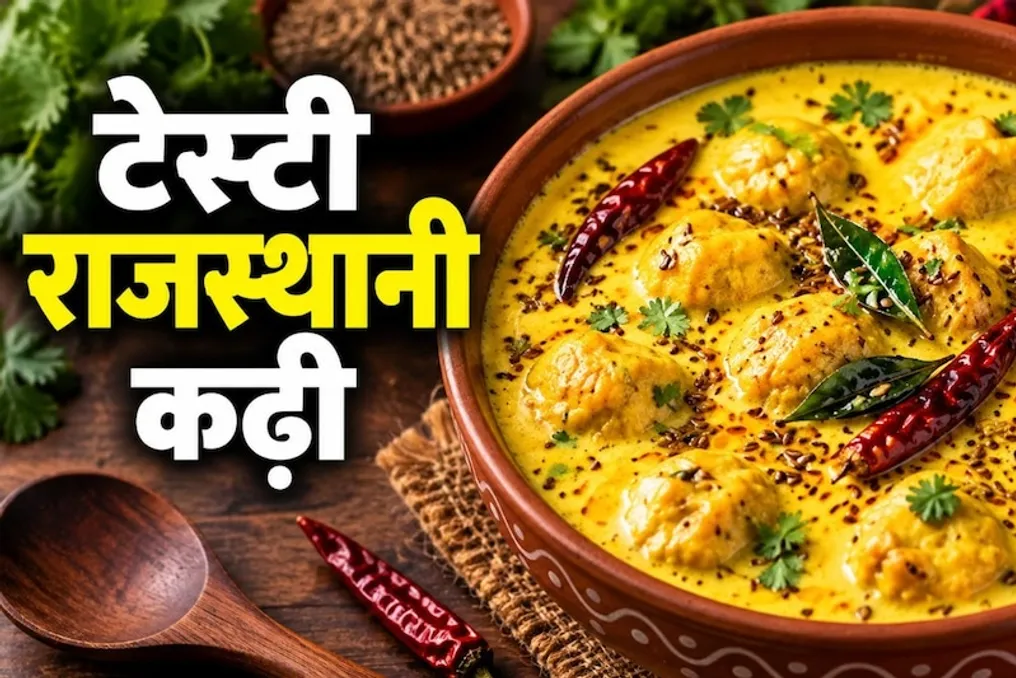
Rajasthani Curry Recipe: Making Lentil Phakoda Without Frying and Chickpea Flour
Read more
www.aajtak.in

Rajasthani Curry Recipe: Making Lentil Phakoda Without Frying and Chickpea Flour

Although many have tried various types of curry phakoda, few are familiar with Rajasthani curry made from lentils. This recipe does not require deep frying; instead, the lentil phakoda is cooked directly in the boiling curry. We will present a simple way to prepare Rajasthani lentil curry phakoda.

Curry is an important part of Indian cuisine and is prepared differently in various regions. Usually, phakoda for curry is made from chickpea flour, but in Rajasthan, a different approach is used—phakoda is made from lentils. The main feature is that these phakodas are not fried separately but are boiled directly in the simmering curry. Because of this, the phakodas absorb the tangy flavor of the curry and the aromas of the spices excellently, becoming very soft.

This Rajasthani dish is served with curry rice, flatbreads, or hot puris. Although some preliminary preparation is required for its making, its taste is sure to please.

For the Phakoda

Ingredients needed for the phakoda:

  • 1 cup of washed lentils
  • ½ teaspoon of salt
  • ¼ teaspoon of hing (asafoetida)
  • Water as needed

For the Curry

Ingredients for the curry:

  • 1 cup of yogurt
  • 4 cups of water
  • 2 tablespoons of ghee
  • ¼ teaspoon of fennel seeds
  • 10–15 black peppercorns
  • 3 cloves
  • 1 stick of cinnamon
  • ½ teaspoon of sesame seeds
  • ½ teaspoon of cumin seeds
  • 2 curry leaves
  • 10–12 curry leaves
  • 2 green chilies
  • 2 medium onions
  • ¼ teaspoon of turmeric powder
  • ¼ teaspoon of hing
  • 1 teaspoon of Kashmiri red chili powder
  • ½ cup of water
  • Salt to taste

For the Tempering (Tadka)

Ingredients for the tempering:

  • 2 tablespoons of ghee
  • 3–4 cloves of garlic
  • A little ginger
  • 3 dried red chilies
  • ½ teaspoon of red chili powder
  • A little fresh coriander

First, the lentils should be thoroughly washed with clean water 4-5 times. Then, soak the lentils in water for about 2 hours; if you want to speed up the process, you can use slightly warm water. After the lentils have swelled well, drain the water and place them in a blender. When blending, do not add too much water at once; first, add 1 tablespoon of water and gradually add a little more as needed. The lentils should become thick and smooth. It may take 4 to 5 tablespoons of water to blend, but this depends on the lentils themselves.

Transfer the blended lentils to a bowl, add ½ teaspoon of salt and ¼ teaspoon of hing. Then, knead this mixture thoroughly for 3-4 minutes to make the dough lighter and airier. To check the readiness of the dough, take a small amount of the mixture in water; if the dough starts floating on the water surface, it means it has been kneaded well.

To make the curry, mix 1 cup of yogurt and 4 cups of water in a bowl, whisking them thoroughly. Ready-made buttermilk (chaach) can also be used.

Heat 2 tablespoons of ghee in a pot. Add fennel seeds, black pepper, cloves, cinnamon, sesame seeds, cumin seeds, and curry leaves. Then add the curry leaves and finely chopped green chilies. Next, add the chopped onion and sauté it lightly without browning it too much. Add turmeric, hing, and Kashmiri red chili powder, and mix. Pour in ½ cup of water and let the spices cook well.

When the spices are fully cooked and the oil starts separating, pour in the prepared yogurt mixture. Stir constantly while adding, as it must be stirred continuously until the curry boils, otherwise, the yogurt may curdle. Salt should not be added at this stage.

After the curry boils well, reduce the heat but continue to simmer the curry. Now, form small phakodas from the lentil dough by slightly moistening your hands, and drop them directly into the boiling curry. A spoon can also be used to add the phakodas. Do not make the phakodas too large, as they expand after cooking. The curry should not stop boiling when adding the phakodas. Cook the phakodas in the curry for about 4-5 minutes. After this, add 1 teaspoon of salt and reduce the heat to medium-low.

Continue to cook the curry for another 15 minutes. During this time, the phakodas will be completely cooked, and the curry will thicken slightly.

To give the curry extra flavor, heat 2 tablespoons of ghee in a small pan. Sauté the sliced garlic until golden brown. Then add the finely chopped ginger and 3 dried red chilies. Finally, add ½ teaspoon of red chili powder and turn off the gas. Immediately pour this tempering over the curry. Add a little curry broth to the tempering pan and pour it into the pot. Cover the curry and let it sit for 5 minutes so that the flavor of the tempering fully penetrates the curry.

Finally, sprinkle with fresh coriander on top. If you did not use whole spices, you can add a little garam masala.

Lentil Flour Roll Recipe: How to Make Rajasthani Gatta Patodi Rolls at Home
Read more
www.aajtak.in

Lentil Flour Roll Recipe: How to Make Rajasthani Gatta Patodi Rolls at Home

Indian cuisine is appreciated worldwide for its unique taste. Although dishes from different states of India have their own characteristics, their fusion dishes also possess an exceptional flavor. If you enjoy dishes from Rajasthan and Maharashtra, you should try lentil flour Gatta Patodi rolls. This luxurious dish combines elements of both Rajasthan and Maharashtra in its taste.

This dish can be prepared when there are no other vegetable dishes at home, and it is so delicious that family members will constantly ask for it to be made again. Lentil flour Gatta Patodi rolls are a simple recipe where a filling of nuts and peanuts is placed in a thin sheet of lentil flour, which doubles its flavor. It is an ideal option for entertaining guests, after which everyone will want to know the secret recipe.

The best feature of this dish is that it can be made using ingredients that are already at home, and nothing needs to be bought from the store. Below is a simple recipe for lentil flour Gatta Patodi rolls.

Ingredients for Lentil Flour Gatta Patodi Rolls

The list of ingredients specifies sections for preparing the lentil flour rolls themselves, the filling, and the sauce (gravy).

How to Prepare Lentil Flour Gatta Patodi Rolls

First, you need to prepare the lentil flour dough: mix lentil flour with turmeric, salt, red pepper, and a small amount of oil for greasing in a bowl. Thoroughly mix all ingredients by hand, then add water and make a soft dough, avoiding excessive stiffness.

Next is the preparation of the filling: fry dried coconut, peanut seeds, cumin, cardamom, and whole coriander in a pan. Then add green pepper and garlic cloves and grind them in a blender until they reach a coarse powder consistency.

To form the rolls, take a piece of lentil flour dough and roll it thinly on a rolling pin. Trim the edges to give it a square shape. After that, evenly distribute the filling over the lentil flour sheet.

After applying the filling, form the rolls and set them aside. If you have difficulty wrapping them, you can use a plastic bag to help with shaping.

All rolls must be steamed: place them in a steamer or idli maker and leave them to steam. Steam helps the lentil flour dough to hold together well and not fall apart.

Preparing the Sauce (Gravy)

In a pot, heat oil and let the cumin seeds sizzle. Then add finely chopped onion and garlic and ginger paste, frying until cooked. After that, pour in one cup of yogurt mixed with red pepper and coriander powder, and add it to the pot while stirring constantly.

Let the yogurt thicken, then stir in the tomato puree. After letting it simmer for 2 minutes, add hot spices and water. When the water boils, stir in the finely chopped fresh cilantro.

When the sauce is completely cooked, add the lentil flour rolls to it and simmer on low heat for about 3-4 minutes. This allows the spices to penetrate the lentil flour rolls well. Then serve the dish hot.

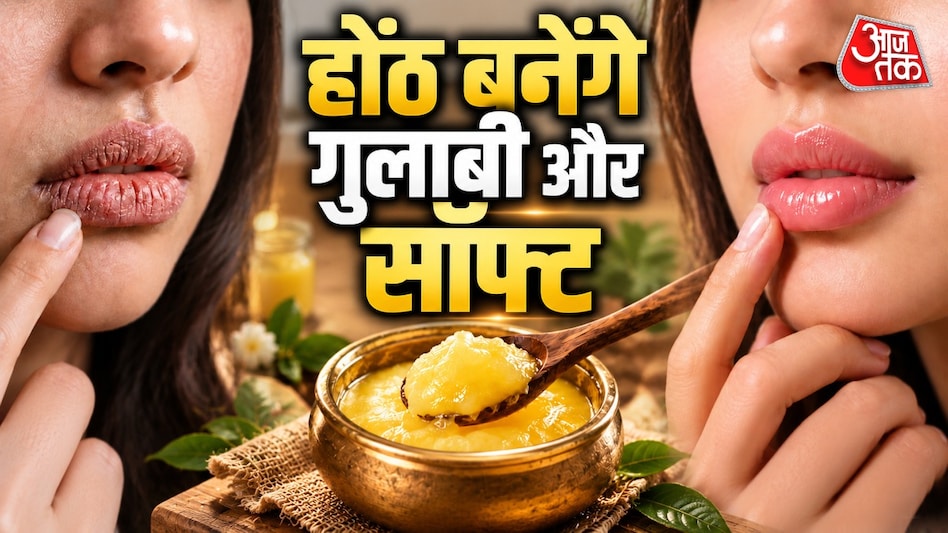
How to achieve soft lips: lip care recipes using melted butter
Read more
www.aajtak.in

How to achieve soft lips: lip care recipes using melted butter

Currently, India is experiencing a strong monsoon and rainy season. Changes in air humidity levels during the monsoons negatively affect not only the skin but also the lips. Since lip skin is very thin and delicate, during the monsoon period, it tends to become dry, dull, and peel due to dehydration or cold air. Furthermore, the natural pink tone of the lips can weaken, making them dark.

In such situations, instead of using cosmetic balms with chemical components, you can take care of your lips with natural remedies available at home. A simple and effective recipe using pure melted butter can be very beneficial. Applying certain natural ingredients mixed with melted butter can make lips soft, radiant, and pink in just one week.

There are several care methods based on melted butter.

Melted Butter and Turmeric

Take half a teaspoon of melted butter and add a pinch of turmeric (kasturi or regular ground domestic). This mixture should be applied to the lips every evening before bed, gently massaging. Turmeric has antiseptic and anti-inflammatory properties that accelerate the healing of cracks and sores on chapped lips. Melted butter, in turn, is rich in fatty acids, providing deep hydration to the lips.

Melted Butter and Beet Juice

Mix half a teaspoon of melted butter with 4-5 drops of freshly squeezed beet juice. Then, place the mixture in the refrigerator until it solidifies. Apply this ointment daily before bed; it can also be used as a natural lip balm. Beet juice contains natural reddish-pink pigments that can lighten dark lips and give them a natural pink tone within a week.

Melted Butter and Honey

To create a gentle scrub, mix a little melted butter with half a teaspoon of honey and a pinch of ground sugar. This scrub is recommended to be used three times a week. It helps gently remove dead skin cells from the lips, and the natural moisture of honey makes the lips as soft as cotton.

In addition to applying melted butter to the lips before bed, it is also recommended to apply 2 drops of pure melted butter to the navel. According to ancient Ayurvedic practices, this is considered a very effective way to prevent rapid drying of the lips.

Popular