
How to fix a stuck mixer bowl: DIY methods without cost
Read more
Aaj Tak
www.aajtak.in

How to fix a stuck mixer bowl: DIY methods without cost

Kitchen appliances significantly simplify daily tasks, and the mixer-blender is one of the most frequently used among them. It is indispensable for preparing various dishes, whether it's grinding spices, making sauces, or mixing drinks. However, over time, the mixer bowl can suddenly jam, completely stopping the blades from rotating.

Such a sudden jamming causes significant inconvenience. Many users try to solve the problem by attempting to run the mixer with the blocked bowl. Nevertheless, making this mistake can cause serious damage not only to the bowl but also to the coupling and the motor. Forcing the rotation of jammed blades creates excessive strain on the mechanism.

It is not necessary to immediately go to a repair shop. There are simple ways to fix the problem of a jammed bowl yourself.

If the bowl blade does not rotate even manually, you must absolutely not place it in the mixer and turn on the power. Trying to make the motor rotate the blocked blades can overload the coupling, leading to its failure, and will also put pressure on the motor itself. Therefore, the problem with the bowl must first be addressed separately.

Separate the bowl from the mixer and inspect the bottom part where the blade coupling is located. A small amount of machine oil needs to be added. It is important not to use too much oil and to ensure that it does not get inside the bowl in contact with food. The purpose of lubrication is to ensure easy rotation of the lower jammed part.

Take a container with hot water and pour it into the bowl. The water should be hot enough to soften dried dirt, but not so hot as to damage the bowl or its components. Leave the bowl in this state for about five minutes. Hot water helps soften grease and accumulated dirt inside.

After adding water, it is crucial to avoid trying to rotate the blade directly by hand, as sharp blades can cause injury. Instead, wrap the bowl handle with a cloth and very carefully try to turn the lower coupling. If dirt is the cause of the jamming, slow action may help loosen the coupling.

If the coupling does not rotate initially, do not force it. You can add a little more oil and leave the bowl for some time, after which you can start slow attempts to rotate again. As soon as the coupling starts moving, turn it several times back and forth; the blade movement should gradually normalize.

After cleaning the bowl, it should not be left in an upright position. First, all the water must be thoroughly removed, and then the bowl should be turned upside down to dry, to prevent moisture buildup inside or around the blades. Prolonged exposure of the bowl to moisture can cause corrosion, dirt formation, or other problems. Regular cleaning and proper drying contribute to increasing the service life of the bowl.
Similar stories

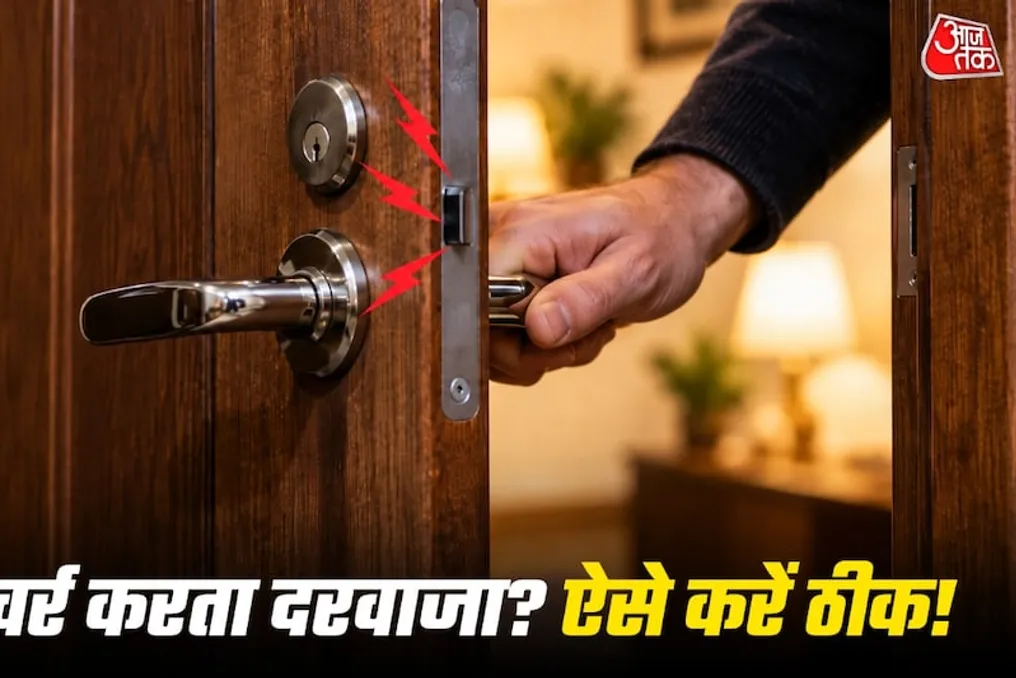
How to fix a squeaky wooden door yourself: five steps before calling a professional
Read more
www.aajtak.in

How to fix a squeaky wooden door yourself: five steps before calling a professional

Modern homeowners pay close attention to interior design, whether it's choosing flooring or kitchen cabinets. However, attention is often not paid to problems that arise over time, such as squeaky doors. Many complain that a characteristic squeak, creak, or screech sounds when the door panel is opened or closed.

These sounds are often ignored as a minor annoyance, but over time they can become so irritating that they hinder even nighttime use of the door. Instead of immediately calling a carpenter, who may demand a significant fee, it is worth conducting a self-check first, as many problems can be solved at home.

First, you should check the fastenings. Since wooden doors are quite heavy, they rely on hinges secured with screws. Over time, these screws can loosen, causing the door to sag and rub against the door frame, which causes squeaking.

If the door makes a sound, you need to inspect all the screws on the hinges and tighten any that are loose. If a screw continues to turn but does not hold in the wood, it means the hole has loosened. In this case, you can use a makeshift method: insert a wooden matchstick, coated with carpentry glue, into the loosened hole. After the glue dries, trim the protruding part of the matchstick to a level surface and install a longer screw, which will help secure the fastening.

If the screws are fine, the cause might be friction in the hinge itself. To eliminate this, place a solid support under the door and slowly unscrew it. After cleaning the hinge, you can lubricate it with paraffin wax or wax, or use dry silicone spray, then put the screw back in place.

If rust on the hinge is observed due to moisture, you must first clean the spring mechanism with fine steel wool, then wipe it dry with a cloth and reinstall it. Simply applying lubricant on top does not always solve corrosion problems.

If the squeak occurs specifically when closing the door, you should check the alignment between the door frame and the panel itself. A slight shift in the frame can increase the load on the hinges or cause the door to rub against the frame. If necessary, you can slightly adjust the position of the hinge by adding a thin layer of cardboard or a special shim behind the hinge plate, but this must be done very carefully so as not to deform the door.

Another possible cause is a thick layer of old paint around the hinges. This layer can prevent the hinge from sitting correctly on the wood, causing friction. In this case, you should remove the excess paint using a scraper, which will reduce friction and may stop the squeak.

Finally, if the squeak persists after all manipulations—tightening screws, cleaning, and removing paint—the hinges may be worn out. In this case, it is advisable to replace them, for example, with ball-bearing hinges, which provide less friction, especially in heavy wooden doors.

Popular