A diagnosis of lung cancer can drastically change a person's life, but the recovery process today begins significantly earlier than it did in the past. Patients receive support even at the planning stage of treatment.
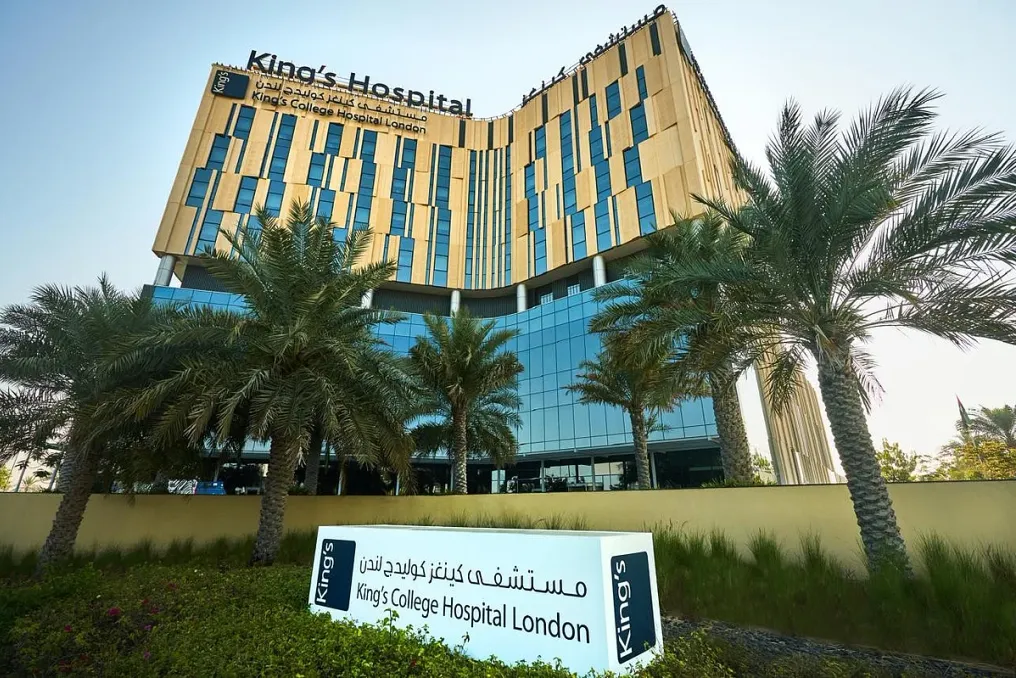
Thanks to the introduction of new methodologies, such as minimally invasive surgery, advanced diagnostics, and comprehensive team collaboration in oncology, many patients recover more comfortably and return to daily activities more quickly. At King’s College Hospital Dubai, specialists trained in the UK and their dedicated team focus on both treating the disease and supporting patients throughout the recovery process.
Recovery also critically depends on the timely detection of lung cancer. Initially, symptoms may seem minor. One of the most common signs is a cough that does not go away or worsens, as well as shortness of breath, chest pain, coughing up blood, unexplained weight loss, or persistent fatigue. Although these signs can have many other causes, they should be checked by a doctor if they persist or seem unusual.
Every case of lung cancer is unique. The choice of optimal treatment is determined by the type and stage of the tumor, lung function, and the patient's overall health. Before starting therapy, a team of specialists—including surgeons, pulmonologists, oncologists, radiologists, pathologists, anesthesiologists, nurses, and rehabilitation specialists—thoroughly examines each patient's medical history. They analyze scan results, laboratory tests, and health data to develop an individualized treatment plan.
Through the team's collaboration, it is ensured that every patient receives appropriate treatment and begins planning recovery from day one. In early stages of lung cancer, surgery often provides the best chance of cure. Traditionally, this could involve a larger incision and rib resection, leading to more pain and a longer recovery period.
Today, many patients undergo minimally invasive procedures, such as video-assisted thoracic surgery (VATS). Surgeons use small incisions, specialized cameras, and instruments to remove lung tumors. In appropriate cases, these methods lead to reduced postoperative pain, shorter hospital stays, and a quicker return to normal activity.
As explained by Dr. James Douglas Aitcheson, consultant in cardiothoracic surgery: 'Successful treatment of lung cancer is measured not only by tumor removal. It is also important to help patients breathe well, regain strength, and return to what is truly important to them.'
New surgical technologies also allow doctors to perform operations with increased precision, effectively eliminating cancer while preserving healthy lung tissue. Completing the surgical intervention does not mean the end of lung cancer treatment.
Regardless of whether the treatment includes surgery or other forms of anti-cancer therapy, patients continue to receive support throughout the entire recovery period. The team regularly monitors progress, promptly addresses emerging difficulties, and helps patients return to life as safely and confidently as possible.
For those undergoing chemotherapy, immunotherapy, targeted therapy, or radiation therapy, support is equally important. Managing side effects, adhering to diet, and monitoring condition help patients recover and feel better during treatment.
Proper treatment starts with obtaining accurate information. Modern imaging and diagnostic methods allow specialists to assess the size, location, and stage of the lung tumor in detail before therapy begins. This enables the multidisciplinary team to recommend an approach that best balances effective cancer destruction with support for the healing process.
Recovery from lung cancer requires more than just quality surgery. At King’s College Hospital Dubai, the team of specialists accompanies patients from the moment of initial diagnosis through long-term follow-up. Surgeons, pulmonologists, oncologists, radiologists, pathologists, anesthesiologists, physiotherapists, respiratory therapists, and nurses work together to ensure continuous and seamless care at every stage.
According to Dr. Aitcheson, 'Recovery is never the responsibility of a single specialist. A coordinated team, advanced technology, and meticulous planning are necessary for safe patient recovery while maintaining the highest quality of life.'
As lung cancer treatment methods advance, recovery is increasingly viewed as an integral part of the overall treatment journey. At King’s College Hospital Dubai, patients are monitored by internationally qualified doctors who adhere to British standards, apply advanced minimally invasive techniques, and work as a team to provide comprehensive care for lung cancer. By combining expert knowledge and modern technology, the hospital strives to improve treatment outcomes and support patients throughout their recovery journey.