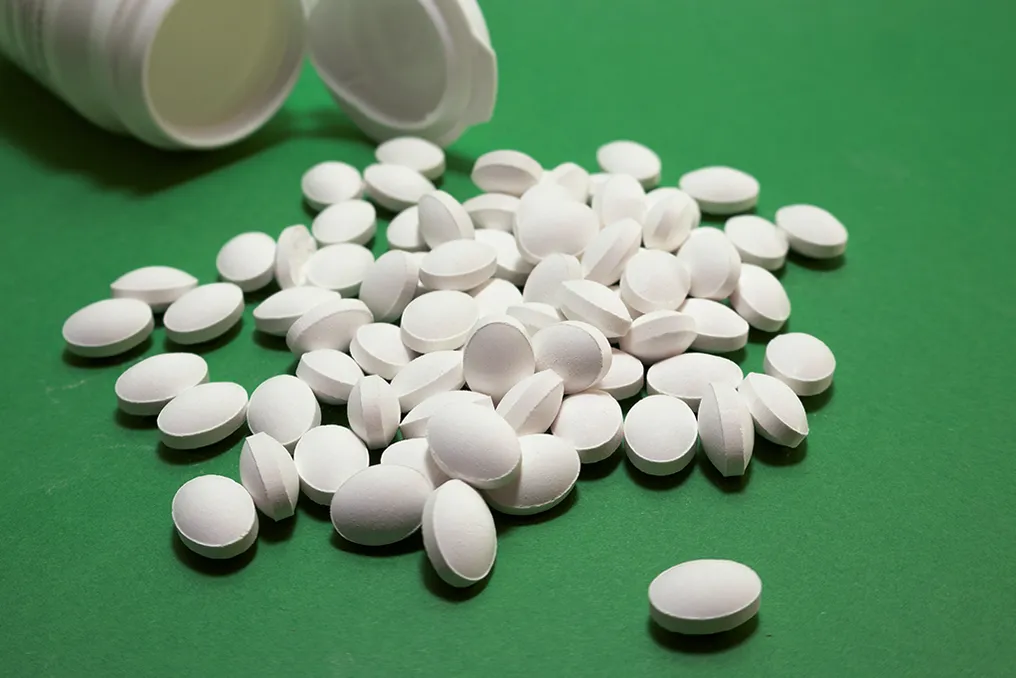
Cyclorfine, a new synthetic opioid, has already resulted in the deaths of at least 55 individuals in the United States since 2025. Scientifically known as N-propionitrile clorfine, this substance possesses a potency up to ten times greater than fentanyl, which, in turn, is fifty times stronger than heroin and one hundred times more potent than morphine. This increase in cases has generated great concern among public safety agencies and health organizations.
In April of this year, the media highlighted the death of a 16-year-old adolescent, Dante Paul Lacourte, which occurred in his mother's apartment in San Francisco, California. Local authorities confirmed that this was the first recorded death caused by cyclorfine in that city.
Since then, the drug's spread across the country has been notable. In Knox County, Tennessee, preliminary toxicology tests indicated that 41 deaths were linked to cyclorfine, surpassing the number recorded in any other state. Furthermore, cases have been detected in locations such as Chicago, Illinois, where drug seizures and overdose reports have occurred.
According to the Center for Forensic Science Research & Education, the rise in deaths related to cyclorfine points to a broader trend: the introduction of new, highly potent synthetic opioids, called orphans, into illegal markets. These substances are frequently mixed with other drugs, such as cocaine and heroin, without consumers being aware of the composition.
Currently, the United Nations Office on Drugs and Crime (UNODC) catalogs cyclorfine as the most common orphan analog. Internationally, nine other countries besides the United States have reported fatal overdose cases (78) and drug seizures (182) involving this new substance, including Canada, the United Kingdom, Germany, and France.
Since 2016, synthetic opioids have been the leading cause of overdose fatalities in the country, potentially reaching an average of over 107,000 deaths in a single year, with fentanyl being the main culprit. Although opioids are used in controlled doses in medicine for pain management, often combined with anesthetics, the abuse of these compounds can lead to changes in the brain's reward system, inducing dependence.
Cyclorfine is classified as an extremely potent synthetic opioid, and such drugs tend to overload the body's respiratory system in a very short period. This implies that users may lose consciousness or stop breathing before medical help arrives.
Another significant obstacle lies in the absence of specific diagnostic tests for cyclorfine. Most toxicology tests used by hospitals, emergency teams, and police forces were developed to identify more well-known opioids, such as morphine, heroin, and fentanyl. Since cyclorfine is a relatively new compound, first responders must resort to specialized analyses to detect it in the blood. Additionally, it may show resistance to naloxone, the antidote usually administered in overdose cases. Emergency teams have already documented situations requiring multiple administrations of naloxone to resuscitate patients.
The origin of cyclorfine dates back to the 1960s, in a research laboratory in Belgium. Initially, the goal was not to create recreational products but rather to develop a potent analgesic capable of mitigating the suffering of patients with conditions such as bone cancer. However, the molecule was discarded because it was considered excessively strong.
Despite this, the formula for its production is accessible on the internet, allowing individuals to synthesize cyclorfine in home laboratories, eliminating the need for agricultural land, unlike the cultivation of cocaine, heroin, or marijuana. Many illicit drugs are manufactured in clandestine environments or adapted residences.