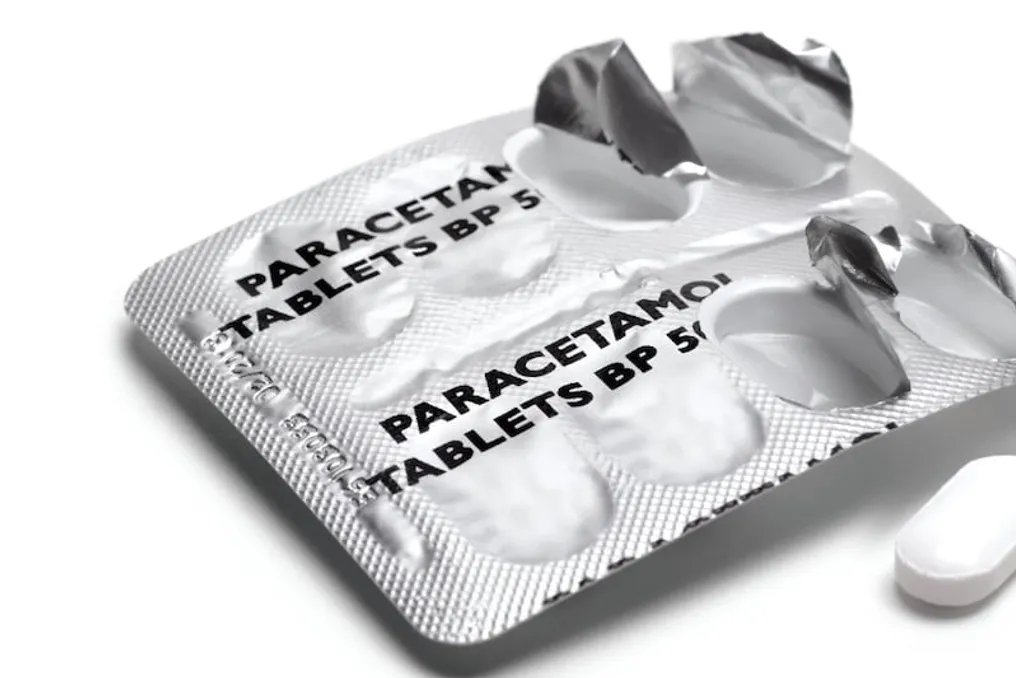
In Nagpur, Maharashtra, the Food and Drug Administration (FDA) discovered that two widely used medications—Paracetamol and one blood pressure control drug—failed quality control. Consequently, government hospitals suspended the dispensing of these drugs to patients and recalled the stock.
These medicines were previously supplied to the Government Medical College and Hospital (GMCH) and Indira Gandhi Government Medical College and Hospital. This incident raised serious concerns regarding medication quality and highlighted the importance of checking tablets before consumption.
According to reports, the FDA took samples during a routine inspection. After receiving test results, directives were issued to cease the distribution of the affected batches and return them. The substandard medications included Paracetamol 500 mg and Telmisartan 40 mg, which is used to regulate high blood pressure. It is reported that these drugs were manufactured by a pharmaceutical company from Indore.
Only one batch of Paracetamol was recalled: approximately 125 thousand tablets were returned to the hospital after notification from the FDA. These tablets, sold under the name 'Parasev 500' with batch number PTTC-108, were supplied in July. Since they did not meet the required quality standards, the remaining stock was seized as a precautionary measure. Both hospitals had purchased over one hundred thousand such tablets, with about 25 thousand affected tablets at GMCH at the time of the recall.
The second medication, Telmisartan 40 mg, is typically prescribed for lowering high blood pressure. The affected batch is identified as CHPLT 416. In addition to visible spots on the tablets, the drug also failed the dissolution test. This is critical because for the medicine to work effectively, the tablet's active ingredient must be released properly. Hospitals were instructed to stop distribution and return all existing stock from wards and pharmacies. It was noted that these drugs are of low quality but are not counterfeit.
A substandard drug is an original product that does not meet established quality standards. Its deficiencies may relate to appearance, efficacy, purity, solubility, stability, or other quality parameters. In contrast, a counterfeit drug may contain incorrect components, have very little or no active ingredient, or contain false information about the manufacturer or identification.