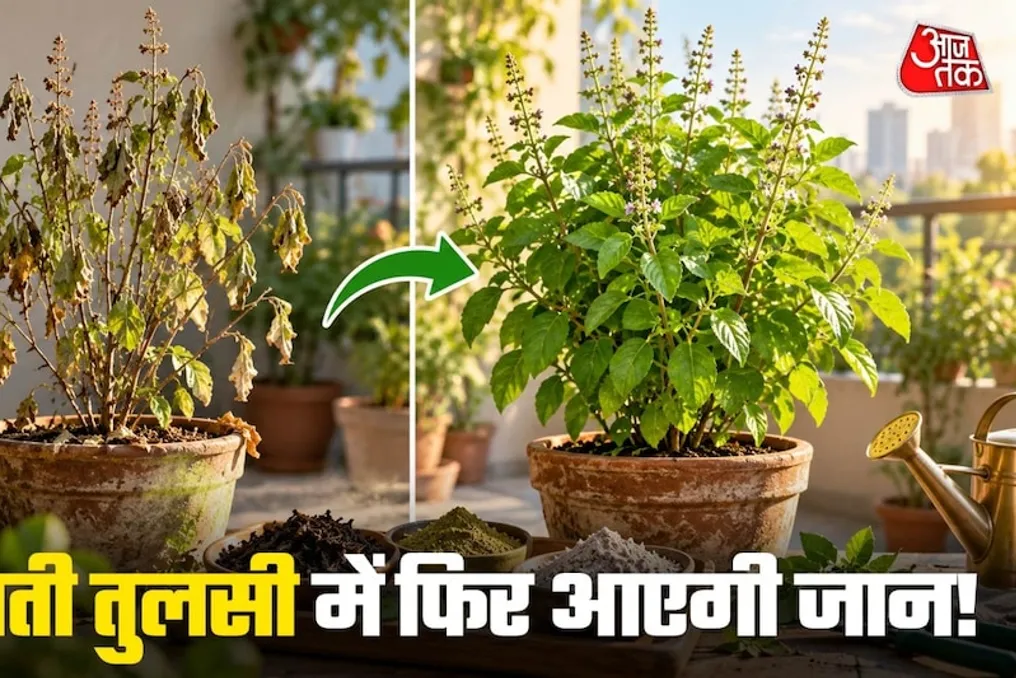
How to revive wilting basil: three kitchen remedies to bring back the plant's greenness
Read more
Aaj Tak
www.aajtak.in

How to revive wilting basil: three kitchen remedies to bring back the plant's greenness

The basil plant is valued not only for its use in religious rituals but also for its beneficial properties and lush greenery. However, healthy, bright green basil often suddenly begins to wilt: leaves turn yellow, edges dry out, and they gradually drop off. In such cases, it is unclear what exactly happened to the plant.

When trying to save basil, people often start watering it more frequently, assuming the plant is thirsty. Nevertheless, lack of water is not the only cause; it can also be due to a lack of necessary nutrients in the soil, poor drainage, insufficient sunlight, or improper care. If your basil looks weak, yellow, or droopy, there is no need to rush to buy expensive fertilizers or medicines. With proper care and some easily accessible home remedies, you can try to restore the plant's vitality; the main thing is to understand what basil needs right now.

Tips for caring for basil plants

Do not throw away tea bags after making tea

The leftover tea bags can be used for the basil plant. However, before putting them directly into the pot, they should be thoroughly rinsed with water to remove any traces of milk or sugar. After that, the tea bags must be well dried and added in small amounts to the soil. This will provide the soil with many nutrients and help the plant grow. It is important to remember that wet or unwashed tea bags should not be placed in the pot, as this can lead to odors and fungal problems.

Dried leaves of the Neodomo tree are also useful

If you have a Neodomo tree, its dried leaves can be used for basil instead of throwing them away. They should be dried and finely ground, and then added in small quantities to the basil soil. Neodomo is used in plant soil, usually to protect against insects and fungi. Furthermore, it brings some nutrition to the soil and helps maintain the plant's health.

Pay attention to the amount of ash when adding wood

Clean ash left after burning firewood is also used for plants. About one teaspoon of wood ash can be added to the basil pot soil. Ash contains minerals such as potassium, but the amount should not be excessive. Excess ash can change the soil pH and harm the plant, so it should only be used in small doses.

Not only fertilizer is needed, sunlight is also important

For basil to remain green, simply fertilizing it is not enough. The plant also needs to receive about 4-5 hours of good sunlight daily. Try to ensure it gets morning sun and place it in a spot where strong wind does not blow directly onto the plant. If the plant is constantly in the shade, new leaf growth may weaken.

Water only when the soil is dry

The most common mistake when trying to save basil is overwatering. Water stagnation in the pot can damage the roots. To prevent this, do not water constantly. Before watering, check the top layer of the soil with your finger. Water only if the topsoil feels dry. If the soil is already moist, rewatering is unnecessary.

Regularly remove flower stalks

When basil produces too many flowers or seeds, they can be regularly removed. This helps direct the plant's energy towards new leaves and branches. Dry and yellow leaves should also be removed to avoid placing unnecessary strain on the plant and to make room for new growth.

Simple recipe for preserving basil greenery

If basil is wilting, instead of applying many measures at once, focus on its basic needs: a small amount of organic fertilizer in the soil, sufficient morning sun, watering as needed, and regular removal of dry leaves and flower stalks. With proper care, a weak-looking plant can become dense and green again.
Similar stories

Cheap Home Remedies to Solve Common Houseplant Problems
Read more
www.aajtak.in

Cheap Home Remedies to Solve Common Houseplant Problems

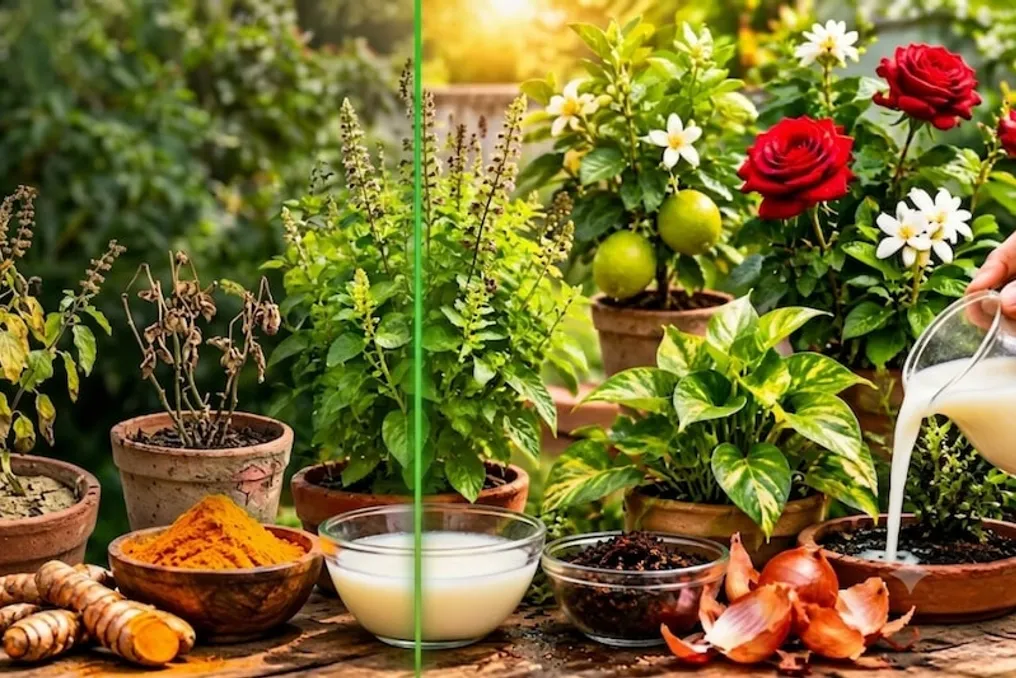
Caring for plants indoors may seem like a simple task, but maintaining their constant greenery and abundant flowering can be a difficult challenge. Although some people hire gardeners to care for their plants, many prefer to do it themselves. Various problems can arise: basil leaves turn yellow, lemon flowers drop immediately after blooming, and mogora and roses produce many leaves but do not form buds. Additionally, the growth of monstera may slow down, and new leaves become smaller compared to previous ones.

If you regularly spend money on expensive fertilizers, growth stimulants, or other gardening products to fix these minor issues, it is not necessary. Many items you have at home in the kitchen can be useful for plant care. However, it is crucial to use them correctly and in the right proportions. If your plants are growing poorly or having trouble flowering, you can try applying some simple homemade care methods that will not require financial expenditure.

How to help if basil leaves are turning yellow?

If your basil starts turning yellow instead of staying green, do not panic. First, check if there is an excessive flower stalk on the plant. If so, you need to remove dry or weak leaves. You also need to regularly prune the flower stalks so that the plant's energy is directed towards developing new leaves. There is also a folk method—adding a small amount of turmeric to the soil. Nevertheless, turmeric is not a guaranteed cure for basil problems; sufficient light, proper watering, and preventing waterlogging are necessary for good growth.

What to do if lemon flowers drop immediately after blooming?

Lemon flowering is a positive sign, but if the flowers fall to the ground immediately after opening, it can hinder fruit production. In this situation, it is important to maintain a balance of moisture and nutrition in the plant's soil. To solve this problem, it is recommended to use a method where diluted sour buttermilk (chaach) is watered at the base of the plant. When using this method, the buttermilk should be thoroughly diluted and not used too often or in large quantities. The lemon tree also requires a lot of sunlight and well-drained soil.

How to revive small and wilted monstera leaves?

If the monstera leaves look smaller and paler than before, the cause may be insufficient light, improper watering regime, or lack of space in the pot for growing roots. Some advise spraying the leaves with a solution of one glass of water and 1-2 drops of unpasteurized milk. However, leaving milk on the leaves in large amounts is undesirable, as it can cause stickiness, unpleasant odor, or fungal diseases. Therefore, it is more important to provide the plant with good light, protecting it from intense direct sun, and maintaining the correct watering schedule.

How to stimulate flowering in mogora and roses?

If you have mogora and rose plants, but they only produce leaves for a long time without flowering, you should pay attention to lighting conditions, fertilization, and pruning. Within home gardening, you can use the method of adding dried and sifted tea dregs to the soil in small amounts, as well as watering with water prepared from onion peels. The tea dregs should be used without adding milk or sugar, while avoiding excessive application to the soil. Water from onion peels must also be freshly prepared and diluted, using it in limited volume. It is important to understand that homemade fertilizers alone do not guarantee flowering; the plant also needs good light and adequate nutrition.

Important reminder before using any plant treatments

It is important to remember that the effect of any home remedy may differ for different plants. Often, the real reasons for yellowing leaves, flower drop, or slowed growth lie in overwatering, poor drainage, lack of light, pests, or nutrient deficiencies in the soil. Therefore, before applying anything to the roots or leaves, use the remedy in small doses and carefully observe the plant's reaction.

How to grow beets at home: harvest can be collected in 60 days
Read more
www.aajtak.in

How to grow beets at home: harvest can be collected in 60 days

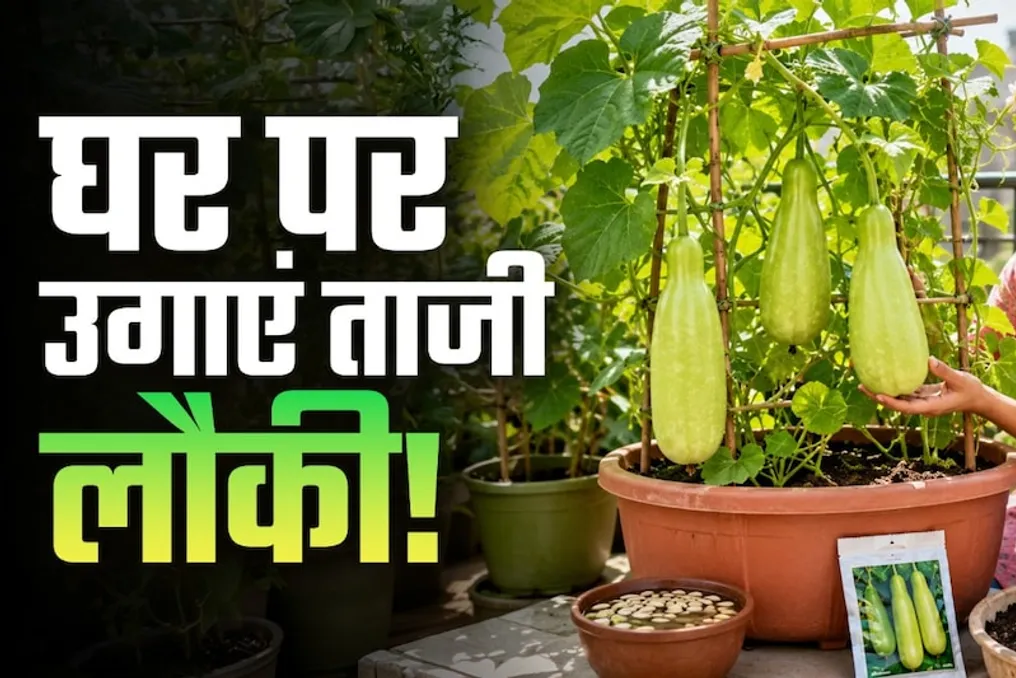
During the hot season, zucchini dishes, raita, and light snacks are often prepared in every home. However, the question arises: what if you don't have to buy zucchini at the store every time? If you have a small outdoor space—a balcony, roof, or yard—you can easily grow a zucchini vine in a pot. It is important to note that the plant does not require much space; it is enough to provide support for its tendril.

With the right soil, good lighting, timely watering, and a small amount of fertilizer, the vine begins to grow actively. As the tendril spreads, flowers appear on it, and then small zucchinis. Thus, even a small home area can turn into a zucchini field. This does not require large gardens or extensive gardening experience; it is enough to follow several simple recommendations to grow fresh zucchini at home.

Choosing a suitable location

The zucchini vine needs good light to grow. Therefore, the pot should be placed in a place where the plant receives about 6-8 hours of sunlight daily. A balcony, roof, or other sunny outdoor spot at home will suit this purpose.

Furthermore, the soil should not be too dense. Choose soil that allows water to drain freely and contains organic fertilizers. If water stagnates in the pot, the roots of the vine may suffer.

A small step before sowing seeds

Instead of immediately burying the zucchini seeds in the ground, they should first be soaked in water overnight. This promotes better seed germination. The next day, you can plant 2-3 seeds at a depth of about 1-2 inches in the pot soil. It is necessary to maintain slight soil moisture. Usually, young sprouts begin to appear after 7-14 days. When the plants appear, you should leave the strongest one.

Do not let the vine spread on the ground

The zucchini vine grows quickly. Therefore, as soon as the plant grows a little, it must be tied to a net, bamboo, or string. This will provide the tendrils with the proper place to grow and prevent the zucchini from coming into contact with the ground. In addition, raising the vine upwards can promote better fruit development compared to when they lie on the ground.

Mistake in watering

The zucchini plant loves moisture, so the soil must not dry out completely. However, this does not mean that you need to water every day until the water stagnates in the pot. Water as needed when the top layer of the soil dries out. When planting any plant, always ensure that water drains well from the pot.

Fertilizing the plant every few days

Watering alone is not enough for good vine growth. The plant periodically requires nutrients. A simple way is to fertilize the plant with organic fertilizers every 2-3 weeks. Fertilizing helps retain nutrients in the soil and supports good plant growth.

Removing yellow leaves

If a dry or yellowed leaf appears on the vine, it should not be left on the plant for long. You need to regularly inspect the plant. If insects or small pests are found, natural remedies such as neem oil can be used. This helps in plant care.

How many days until I can harvest my own zucchini?

If the zucchini vine is provided with proper nutrition and care, the zucchinis can become ready for harvest in 60-80 days. It is best to harvest the zucchinis when they reach a size of 8 to 12 inches. Timely harvesting promotes the appearance of new fruits on the vine.

Popular