ITA presented LEO satellite-based solutions for the oil and gas sector
Read more
TechCentral
techcentral.co.za

ITA presented LEO satellite-based solutions for the oil and gas sector

(ITA) demonstrated its solution for connection via OneWeb at the Angola Oil & Gas 2026 conference, which took place this week (September 9-10). The goal of the presentation was to showcase reliable communication methods capable of meeting the connectivity needs of operations in regions with limited ground coverage.

Using low Earth orbit satellites, this technology provides faster and more resilient communication channels for work in industries such as the oil and gas industry, especially in areas where traditional networks have limitations. For the oil and gas sector, this solution can support tasks such as connecting remote sites, ensuring communication between field teams, monitoring production processes, and critical systems dependent on continuous data transmission.

The proposed solution offers deployment flexibility and can function as a primary connection, a backup system, or be integrated into hybrid network structures, allowing adaptation to various operational requirements. In addition to the oil and gas sector, OneWeb can be applied in mining, agriculture, transportation, and any other business area requiring stable access to digital services outside standard coverage zones.

OneWeb is based on a constellation of low Earth orbit satellites located approximately 1000 km from Earth, which is significantly closer than traditional geostationary satellites. This allows for reduced data transmission latency and ensures high-speed connections suitable for operations requiring access to digital platforms, efficient information exchange, and business application usage.

Company Information

Internet Technologies Angola is part of the pan-African network service provider Paratus Group. Over the past 20 years, the company has shown exponential growth, becoming one of the largest and most recognized providers of quality network services in Angola. Internet Technologies Angola offers comprehensive solutions, including telecommunication services, cloud services, data centers, and voice communications. In 2019, the company strengthened its leadership in the ICT market by opening a second data center, which is the largest and most technologically advanced in Angola.

About Paratus Group

Paratus Group is a leading pan-African provider of telecommunications and network services, focused on delivering Africa's quality network. The group operates in 16 countries in Southern Africa and has international presences in Europe, the UK, and the USA. Founded in the heart of Africa over 23 years ago, Paratus aims to develop and expand the capabilities of the continent and its people. Africa is the driving force and goal of the entire group's activities. Ongoing investments in infrastructure, including the East-West Africa fiber optic line, an express route from Johannesburg to the rest of the world, and the Paratus 500 initiative, support the company's mission to connect half a billion people in Southern Africa.
Similar stories

ISRO successfully launches Earth observation satellite EOS-05 into geostationary orbit using GSLV-F17 rocket
Read more
timesofindia.indiatimes.com

ISRO successfully launches Earth observation satellite EOS-05 into geostationary orbit using GSLV-F17 rocket

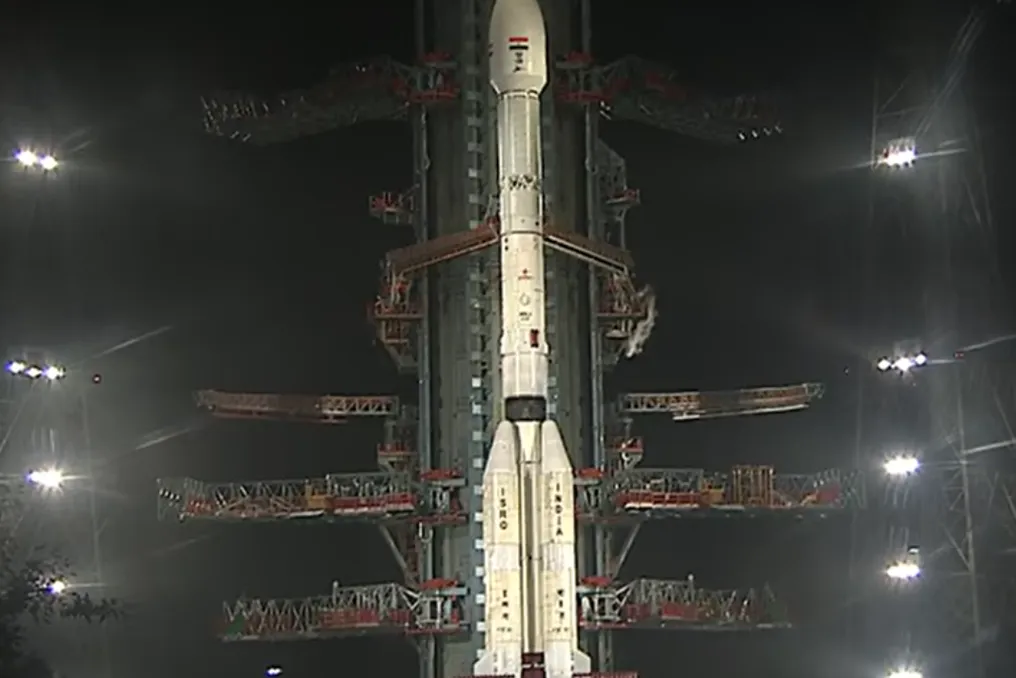
The Indian Space Research Organisation (ISRO) successfully launched EOS-05, India's first visual observation satellite designed to operate from geostationary orbit. The launch took place early Friday morning using the GSLV-F17 launch vehicle.

The three-stage rocket, which is 51.7 meters high and weighs 420.5 tons, took off from the second launch pad in Sriharikota at 2:55 AM. It placed the Earth observation satellite, weighing approximately 2367 kg, into the planned suborbital transfer orbit.

This flight marked the nineteenth mission for the GSLV series. The GSLV-F17 rocket was equipped with the S139 solid propellant block, four L40H liquid side boosters, the GL40HT liquid second stage, and the indigenous cryogenic upper stage CUS15, along with a four-meter composite payload fairing.

The EOS-05 satellite was inserted into a geostationary transfer orbit. Subsequently, it will reach a nominal perigee of 170 km, an apogee of 28,934 km, and an inclination of 19.28 degrees. The transition to the final orbit will be achieved through a series of maneuvers using onboard engines.

ISRO Chairman V. Narayanan stated that the rocket inserted the satellite precisely into the designated orbit. He noted that this launch was the one hundred seventeenth flight from Sriharikota and the nineteenth GSLV flight. Speaking from the mission control complex after the launch, he emphasized that the rocket delivered its heaviest payload in history—2367 kg, compared to 1536 kg delivered during the first GSLV launch.

He added that the vehicle's performance has gradually improved due to structural mass optimization and system enhancements. He also mentioned that EOS-05 is the first satellite dedicated to visual observation from geostationary orbit and will provide strategic data. Furthermore, the chairman announced that ISRO plans six more launches in the current fiscal year, including the navigation satellite NVS-03 and the first Gaganyaan unmanned mission.

As of February 2026, India had 21 operational Earth observation satellites. Most of these are in low Earth or sun-synchronous polar orbits, while India's capabilities for observation from geostationary orbit are represented by the meteorological satellites INSAT-3D, INSAT-3DR, and INSAT-3DS.

The launch of EOS-05 was the first GSLV mission following the successful deployment of the NASA-ISRO NISAR joint satellite into a 743 km sun-synchronous orbit on July 30, 2025. The Friday launch was ISRO's second orbital mission in 2026. The first mission, PSLV-C62, which carried EOS-N1 and other payloads on January 12, ended unsuccessfully due to an anomaly at the end of the third stage of the rocket flight.

Popular