Kuruman in the Northern Cape: An Oasis Formed by a Natural Spring
Read more
Getaway
getaway.co.za

Kuruman in the Northern Cape: An Oasis Formed by a Natural Spring

In the arid landscape of the Northern Cape, Kuruman presents an unexpected green island. This town, known as the Kalahari Oasis, originated around the Kuruman Eye—a natural spring that supplies about 20 million liters of water daily. The spring, named Gasegonyane in Setswana, has provided water for people, agriculture, and wildlife in this dry area for generations.

However, Kuruman is not only its famous spring. Its history spans from indigenous communities and missionary settlements to archaeological finds dating back over a million years. Outside the town, the landscape transforms into thornbush, rocky hills, and the Kalahari plains.

A weekend visit here allows one to see how water influenced the development of this place—from the earliest inhabitants to the modern town. The central point giving Kuruman its unique character is the Kuruman Eye. It is located in the center of the town, from where clean spring water rises from the ground and collects in a pool surrounded by gardens, palms, and other vegetation.

The spring produces approximately 20 million liters of water daily, even during the dry season. Its name in Setswana is Gasegonyane, which means a small basin of bubbling water. It is recommended to spend time walking around the area rather than viewing the Eye as a quick roadside stop. One should observe the clear water for fish and other aquatic life, watch birds among the vegetation, and notice the sharp contrast between the greenery and the dry land outside the town.

This spring also feeds the Kuruman River and historically supported irrigation and agriculture in the region. The history of the Eye is inextricably linked to the history of Kuruman. The spring enabled permanent settlement and later became the center for the establishment of Moffat Mission. Robert and Mary Moffat founded their mission here in the 1820s, working with local communities speaking Setswana.

The mission became an important center for education, language, and printing. Robert Moffat translated the Bible into Tswana and used a printing press for local reproduction. This history is still visible on the mission grounds. Moffat Mission is one of Kuruman's most important historical sites. The site includes Moffat's former homestead, foundations of an early classroom, Moffat Church, and other historic buildings. The church was completed in 1838 and designed to accommodate about 800 people.

The mission grounds demonstrate a striking contrast with the surrounding Northern Cape landscape. Mature trees and gardens grow next to historic buildings, facilitated by the reliable water source in the area, creating a surprisingly green corner. Inside the mission, visitors can find the historic cast-iron printing press used by Moffat, as well as other items related to the mission's history.

After visiting the Eye and Moffat Mission, time should be allocated to exploring the town and its surroundings. The contrast between shaded streets, gardens, and the dry landscape outside the oasis is part of the appeal of this place. Kuruman also has local craft shops where tourists can view regional art and handmade goods.

If you are traveling through the Northern Cape and not making Kuruman your sole destination, the town serves as a convenient base for exploring attractions in the surrounding region. The next morning, one can travel south from Kuruman towards Wonderwerk Cave. This archaeological site is about 43–45 km from Kuruman and represents one of the most outstanding testimonies to the distant past of humans in the region. Excavations have uncovered traces spanning over a million years, including stone tools, animal remains, engraved stones, and evidence of controlled fire. The cave is about 140 meters long, and its archaeological record covers several periods of human habitation. Later rock paintings include pictures made with red and yellow ochre.

This is a particularly useful stop as it changes the perspective on the landscape outside Kuruman. Kuruman's dry hills and thornbush are not just scenery; they are part of the environment in which people lived, traveled, and adapted for hundreds of thousands of years. Before traveling, it is necessary to check access conditions, as visits and tours may depend on arrangements with the site.

Returning to Kuruman, time should be spent contemplating the landscape itself. The area around the town is characterized by dry thornbush, rocky terrain, and the broader Kalahari environment. Nevertheless, pockets of water create unexpectedly rich habitats for plants and animals. Birdwatchers can explore areas such as the Hotazel Road bird sanctuary north of the town, and wildlife enthusiasts have larger conservation areas within reach, including Tsawal Kalahari Reserve to the west.

It is important to note the difference between the water-supported green zones and the much drier surrounding terrain. The most fascinating story of Kuruman is not so much about one spring as it is about what happens when a reliable water source appears in an arid environment. The water from the Eye sustained the town, fed the Kuruman River, and allowed for irrigation in the adjacent area. The underground resource under the Gaap plateau effectively creates a green thread through an otherwise dry landscape.

This distinguishes Kuruman from many destinations in the Northern Cape. The attraction lies not just in the desert, but in the dramatic interplay between water and dryness. If you have extra hours, it is worth exploring some of the smaller attractions around Kuruman instead of leaving the town immediately. The Ga-Segonyana region includes the Boesmansgat gorge, the Koranna-Langberg area, local nature reserves, and other historical sites. Kuruman can also be used as a starting point for a longer road trip through the Northern Cape, accessing places like Kaapvaal, Hotazel, and the wider Kalahari region.

Kuruman can be very hot, especially in the summer. Tourist authorities advise avoiding the hottest time of year if possible, while winter brings warm days but potentially very cold nights. Sunscreen and comfortable walking shoes, as well as warm clothing if traveling in colder months, must be packed. The dry season can emphasize the surrounding landscape, and the greenery around the Eye is particularly impressive. Kuruman is ideally suited for a two-day stopover in the Northern Cape, rather than a location requiring tight itinerary planning.

The first day should be dedicated to understanding the town through its water and history: starting with the Eye, visiting Moffat Mission, and leisurely touring the town. The second day can be devoted to exploring the past at Wonderwerk Cave before returning to the Kalahari landscape. By the time of departure, the Kuruman Eye will be understood more clearly: it is not just an attractive spring in the town center, but the reason for the existence of this green patch and a reminder of how deeply water can shape life in one of South Africa's driest regions.

Similar stories

Three-Day Route Through Zimbabwe's Eastern Highlands: From Nyanga National Park to the Mbumba Mountains
Read more
getaway.co.za

Three-Day Route Through Zimbabwe's Eastern Highlands: From Nyanga National Park to the Mbumba Mountains

Zimbabwe's Eastern Highlands represent a completely different side of the country, offering cool mountain air, winding roads, tea-covered valleys, waterfalls, and small settlements.

A three-day trip allows visitors to combine the impressive landscapes of Nyanga with the misty forests and gardens of the Mbumba Mountains. Although the Eastern Highlands stretch along Zimbabwe's eastern border with Mozambique, attempting to see the entire region in a weekend will result in excessive driving time. Therefore, this itinerary focuses on two of the most unique areas: Nyanga and the Mbumba Mountains.

The route should begin in Nyanga, where Zimbabwe's landscape transforms from open plains to rolling hills, forests, streams, and deep gorges. Nyanga National Park is home to Mount Nyangani, Zimbabwe's highest peak at 2592 m, as well as Mutarazi Waterfall, which stands at 762 m high.

The first day is recommended to be taken at a leisurely pace. After checking in, you can enjoy the mountain scenery and spend the second half of the day exploring more accessible viewpoints and waterfalls in the park. The World’s View viewpoint gives an idea of Nyanga's scale, offering wide views of the surrounding mountains and valleys, demonstrating how different this Zimbabwe is from the country's more famous tourist destinations.

Instead of rushing through a list of attractions, it is worth slowing down. The Eastern Highlands are ideal for a more relaxed journey, where after a scenic drive, a short walk, and a long lunch, an entire day can easily be filled. Another worthy stop is the Nyangombe Falls, where the river crashes through a granite canyon surrounded by highland scenery. This is a simple addition to a day in Nyanga and offers a quieter alternative to some of the region's major sights.

Nyanga National Park is also known for its streams and dams, trout fishing, and rich avifauna, with over 300 bird species recorded. Since the cool mountain climate is part of Nyanga's appeal, especially after long periods outdoors, it is recommended to end the day in a warm and comfortable place.

Starting early in the morning, one should head towards Mutarazi Waterfall, Zimbabwe's highest waterfall. At 762 m high, it is one of the defining features of the Eastern Highlands, plunging sharply from a cliff into the Honde Valley. The journey itself is part of the experience, as the roads wind through the mountainous landscape before the scenery begins to change as you descend into a warmer, greener valley.

Mutarazi Waterfall deserves more than just a quick photo. The scale of the drop and the views of the Honde Valley make this spot one of the most spectacular in the Eastern Highlands. Visitors seeking more adventure can visit the Skywalk above Mutarazi Waterfall, while those preferring a gentler experience can simply enjoy the views and the surrounding nature. Furthermore, the appearance of the waterfall can change significantly depending on the season due to water level fluctuations.

From the cliff, the road descends into the Honde Valley, where the landscape becomes more tropical and warm. This fertile valley grows tea, bananas, mangoes, avocados, and other crops, and small farms and communities are located beneath the mountains. It is here that the route goes beyond mountain viewpoints and waterfalls, adding an agricultural and social dimension to the trip.

The Honde Valley shapes its landscape through tea plantations, farms, and rural villages. The valley is increasingly developing areas related to farm visits, hiking, camping, and community-based tourism, allowing travelers to interact with the region beyond its natural beauty. Tea plays an important role in the history of the Eastern Highlands, and plantations, including Aberfoil and others, have long been associated with the Honde Valley. Rather than viewing the valley merely as a thoroughfare, it is worth stopping to have tea, sample local produce, or have lunch if opportunities exist. Some tours and experiences on the plantations may require advance booking, so it is advisable to check this information before traveling.

Later in the day, one should head to Mutare or the Mbumba Mountains to spend the last night. The final day leads to the Mbumba Mountains, located southeast of Mutare. Mbumba, or Vumba, is associated with mist, and this area has a distinctly different character compared to Nyanga: dense forests, gardens, avifauna, and mountain roads often disappear into low clouds.

Mbumba is an excellent place to slow down after two days of driving and sightseeing. The Mbumba Botanical Gardens are one of the most famous attractions in the area and are an ideal spot for a leisurely morning. The gardens are situated among the mountains and surrounded by lush scenery, making this part of the Eastern Highlands particularly appealing. One can take a walk, observe birds, and enjoy the cool forest atmosphere before continuing the journey.

Mbumba offers numerous opportunities for walking and trekking, ranging from easy routes to longer ones. Hiring a local guide is recommended for exploring some trails, especially if you are unfamiliar with the mountains and changing conditions. It is also a good chance to leave the car behind for a while. After two days of driving on mountain roads and visiting scenic spots, a walk in the forest offers a different way to experience the Highlands.

Before leaving the mountains, time should be set aside for another slow stop. Mbumba has cafes, gardens, and small visitor-oriented businesses where one can pause for coffee, tea, or a light meal. If the weather is clear, the day can be concluded at one of the viewpoints overlooking the mountains and towards Mozambique. On foggy days, the shifting clouds and forest landscape become part of the experience themselves. From here, one can continue the journey to Mutare and beyond, taking away a completely different perception of Zimbabwe.

While Victoria Falls and safaris may dominate many Zimbabwe itineraries, the Eastern Highlands reveal a softer, greener side of the country. In three days, one can move from the high-altitude landscapes of Nyanga to the dramatic drop of Mutarazi Waterfall, descend into the tea regions, and finish among the forests and gardens of Mbumba. This journey is best enjoyed without trying to see every attraction. Time must be left for roadside stops, a cup of tea with a mountain view, conversations with locals, and unexpected sights appearing around the next bend.

Exploring the Midlands Region in KwaZulu-Natal Over 48 Hours in Spring
Read more
getaway.co.za

Exploring the Midlands Region in KwaZulu-Natal Over 48 Hours in Spring

Spring is considered a wonderful time to explore the Midlands region of KwaZulu-Natal. During this season, the hills turn green, flowers begin to bloom, and the countryside comes alive after winter.

You can spend 48 hours following the Midlands Meander route, making stops for walks in the forests, visiting waterfalls, tasting farm produce, touring gardens, and enjoying the atmosphere of small towns. This area offers a combination of farms, restaurants, artisan studios, and opportunities for outdoor activities, allowing for an easy organization of a relaxing rural getaway.

Starting the Journey

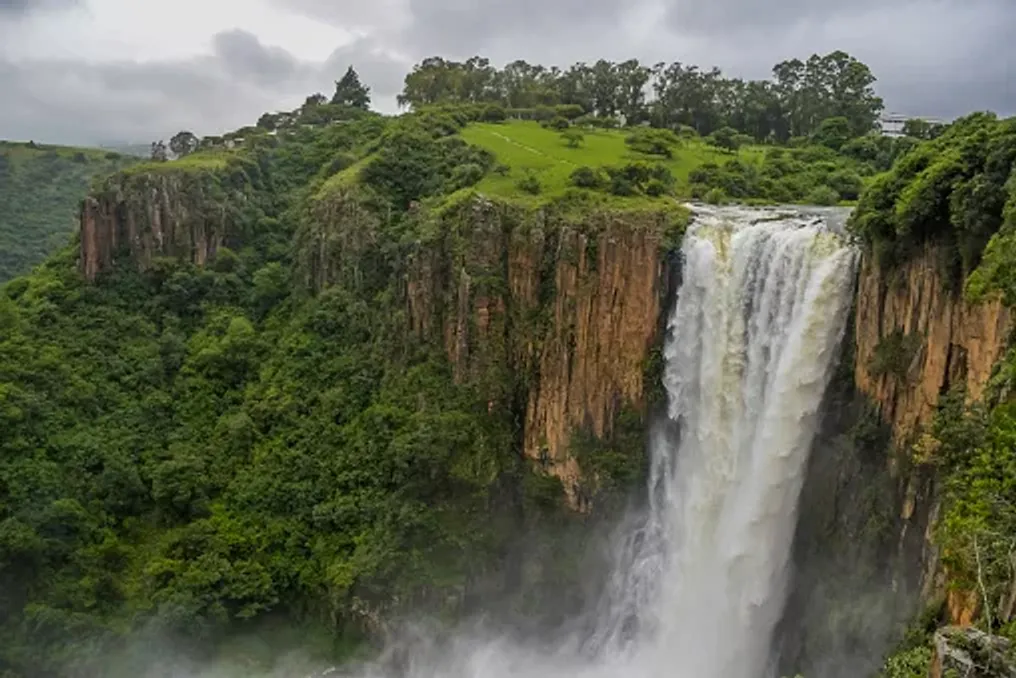
The journey can begin in Howick by visiting Howick Falls. Here, the Umgeni River plunges into a deep gorge, making this waterfall one of the most famous natural attractions in the Midlands. After viewing this spectacle, you should proceed towards Carlow.

Carlow is a suitable place to get out of the car and immerse yourself in nature. This area is known for its forests, meadows, and waterfalls, offering hiking trails of varying lengths—from short strolls to longer treks. For a more adventurous experience, visitors can take a tour through the Carlow forest canopy, or if a quieter retreat is preferred, opt for a shorter woodland walk.

Spring is ideal for exploring this part of the Midlands when the hills are green and the landscape is adorned with wildflowers. Next, head back to the Midlands Meander for lunch.

Along the route, there are numerous spots where you can stop to try farm-style food, local products, and something sweet. The Meander is renowned for its food producers, cafes, restaurants, and farm shops, so there is no need to plan every meal in advance.

One option is Piggly Wiggly near Lions River, where you can find food, shops, and entertainment in a rural setting. In the afternoon, you can drive through small settlements around Lions River, Ballgowan, and Nottingham Road. This is where you can best enjoy the Midlands at a slower pace: stopping at a farm shop, browsing an artisan store, or simply parking to admire the views.

The Midlands Meander encompasses everything from pottery and weaving to food producers, gardens, and galleries, providing many opportunities for spontaneous stops.

An overnight stay is recommended in the Nottingham Road area.

Take Your Time

Before returning to the Meander, you can have breakfast. The Midlands is known for its rustic cafes, farm produce, and relaxed restaurants, so breakfast should be viewed as part of the overall experience rather than just a stop before daytime activities.

In the morning, it is worth exploring the small towns and countryside around Ballgowan, Rosetta, and Nottingham Road. Pay attention to local produce, gardens, galleries, and artisan studios along the way; you do not need to visit them all, but choose a few interesting spots and allow time for detours.

Before lunch, you can take one last walk. The Midlands has several trails, including forest and country routes. Choose one that suits your pace and spend an hour or two outdoors instead of trying to squeeze in another major attraction.

Conclude the weekend with a lunch overlooking the Midlands countryside. Local cheese, baked goods, farm produce, and other artisan goods are part of what makes this region a popular destination for gastronomic stops.

If there is space in the car, make a final stop at a farm shop before heading home. The Midlands region does not require rushing. You should allow time to stop at a farm store, stroll through a garden, or sit down for a long lunch. Spring is especially beautiful for visiting due to the green hills, flowers, and fresh countryside, turning the travel between stops into part of the experience itself.

Cape Town Observatory Holds Night Tours and Open Evenings in September
Read more
getaway.co.za

Cape Town Observatory Holds Night Tours and Open Evenings in September

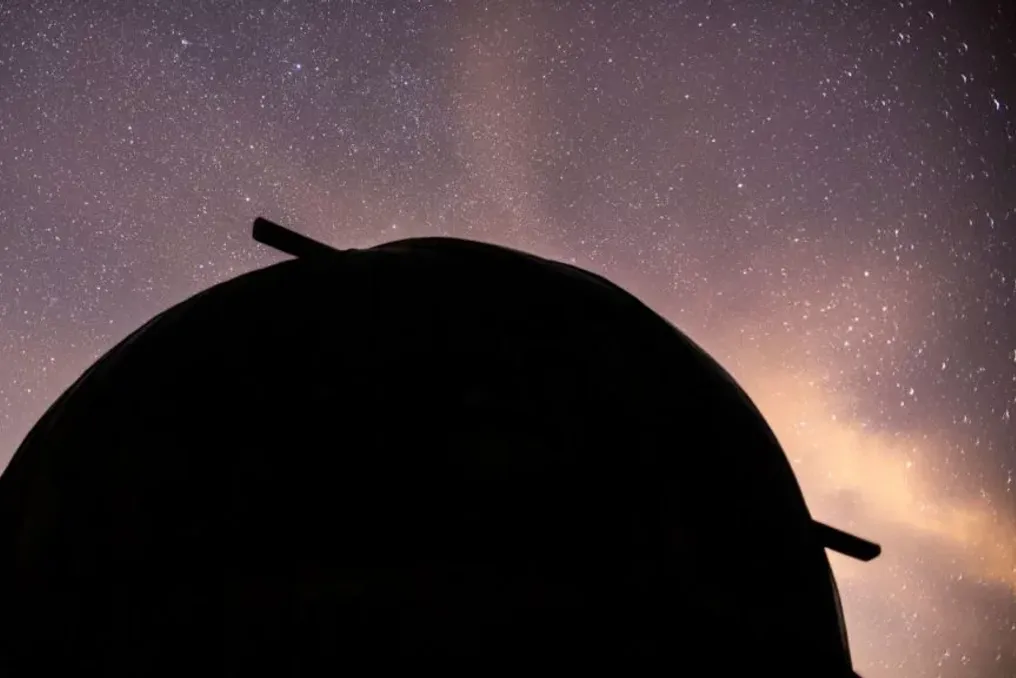
Residents of Cape Town looking for an alternative way to spend their evening can look up at the sky in September, as the South African Astronomical Observatory (NRF|SAAO) will open its historic facility for a series of night tours and open evenings.

Located at the Observatory on the grounds of the former Royal Observatory, NRF|SAAO combines astronomy with the history of one of the city's long-standing scientific institutions. The historic building of this site is recognized as a national heritage object.

Night tours offer visitors the opportunity to tour the observatory after dark while learning more about the history of astronomy in South Africa. The program includes visits to the Main Building, Visitor Centre, and Museum, as well as the historic McClain building.

Under favorable weather conditions, the evening may conclude with stargazing through telescopes set up for public viewing. Night tours are scheduled for September 8, 10, 15, 17, 19, 22, and 24, running from 8:00 PM to 10:00 PM.

For those who prefer to combine astronomy with a science-oriented presentation, the observatory is also hosting Open Evenings on September 12 and 26. These evenings begin with a lecture on astronomy or a related scientific topic, followed by guided tours of the observatory's heritage sections. Guests can see the library, museum, and the historic McClain telescope, and if the weather is good, stargazing will be offered through mobile telescopes.

Currently, Open Evenings are held at the observatory on the second and fourth Saturday of every month, making the September dates part of its regular public program.

Important Notes for Visitors

Although the opportunity to view the telescope is a significant part of the experience, it is not guaranteed. SAAO notes that stargazing depends on weather conditions; if conditions do not allow for telescope use, the planned astronomy and heritage events will still take place.

Visitors should also be prepared for an evening that requires moving between different locations. The observatory recommends wearing closed shoes and warm clothing, and advises bringing rain protection in case of expected rain.

Advance booking is essential as space is limited. SAAO also indicates that the tour fees support the observatory's education, public outreach, and socio-economic development programs.

Thus, September offers Cape Town residents several opportunities to visit the observatory after dark to replace ordinary evening plans with something focused on science, history, and the night sky.

Popular