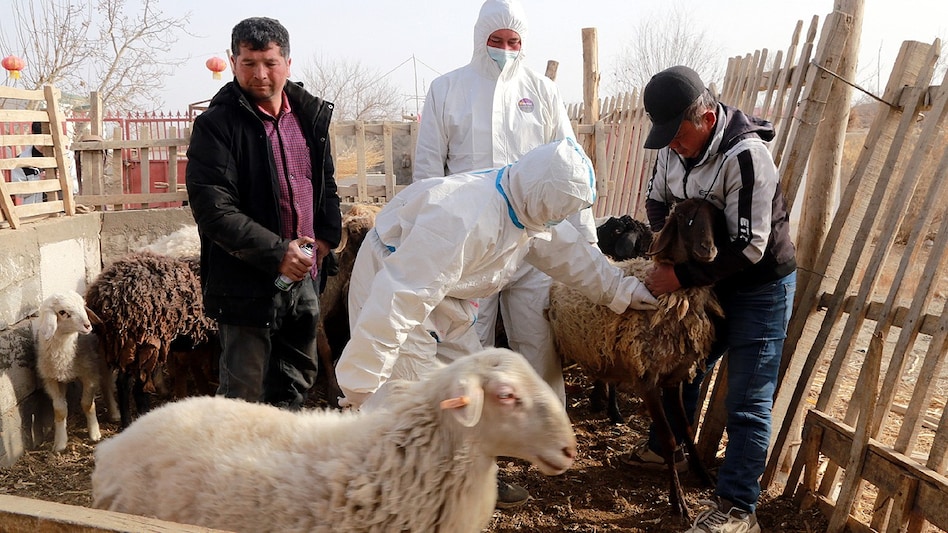
Scientists have discovered the DNA of a dangerous virus in old religious books and manuscripts found in Europe. This virus, called sheep pox, affects sheep and is capable of wiping out entire flocks over centuries.
Researchers, led by Louis Lothe from the Molecular Population Genetics Laboratory at Dublin University, took samples from well-known manuscripts, such as the York Gospels, and found traces of this virus. It was determined that the virus concentration was higher in the inner parts of the pages, indicating that these pages were made from the hides of sick sheep.
In the Middle Ages, people mistakenly believed that animal diseases were caused by witchcraft, but in reality, they were caused by microorganisms. The research team did not limit itself to medieval documents; they also analyzed Bronze Age sheep teeth found in the Altai Mountains and the Eurasian Steppe, which allowed them to trace the virus's history back 3,700 years. The results of the study were published in the journal Science Advances.
Scientists suggest that the sheep pox epidemic first spread among pastoral communities in the Caucasus and Eastern Europe. In these regions, the population depended on wool, meat, milk, and hides. Trade and the movement of flocks contributed to the virus's widespread dissemination. Even in the Bronze Age, domestic herds suffered from this disease. At the same time, tuberculosis bacteria were found in sheep, indicating that shepherds encountered numerous diseases.
The sheep pox virus is closely related to the human smallpox virus and belongs to the family Capripoxvirus. Infected sheep exhibited symptoms such as fever, loss of appetite, watery eyes, and ulcers in areas where wool was absent. The diseases affected the oral cavity, respiratory tract, lungs, digestive, and urinary systems. The virus spread rapidly, and in previously uninfected flocks, 75 to 90 percent of the animals died.
Survivors showed reduced productivity of milk, wool, and meat, and spots appeared on their hides, degrading the quality of the skin. The Roman author Lucius Columnia mentioned this disease as early as the first century. In medieval agricultural and accounting records, it was called pox or variola. When the disease returned after long breaks, people often considered it a new and unknown infection.
Sheep pox never completely disappeared; despite the existence of vaccines, it periodically flares up. Recently in Greece, it claimed the lives of about five hundred thousand animals, posing a serious threat to the region's cheese industry. This case serves as a reminder that ancient viruses can cause economic damage even today. Researchers established that sheep infection was a common problem for European societies in the Middle Ages, evidenced by numerous viral genomes found on leather-made documents.
This study not only helps understand the evolution of the virus but also sheds light on the history of animal husbandry. The journey from the Bronze Age to the Middle Ages demonstrates how diseases spread among domestic animals, and trade routes across the steppes likely contributed to this infection. Experts note that today, diseases could spread again due to climate change, trade, and animal movement. Scientists believe that understanding these ancient samples can help improve modern vaccines and control methods. Medieval books, which served as sources of religious knowledge, have become documents of disease history.
This research proves that old objects preserve not only cultural but also vital information about health and science. Further study of the samples will further clarify the entire cycle of virus development.