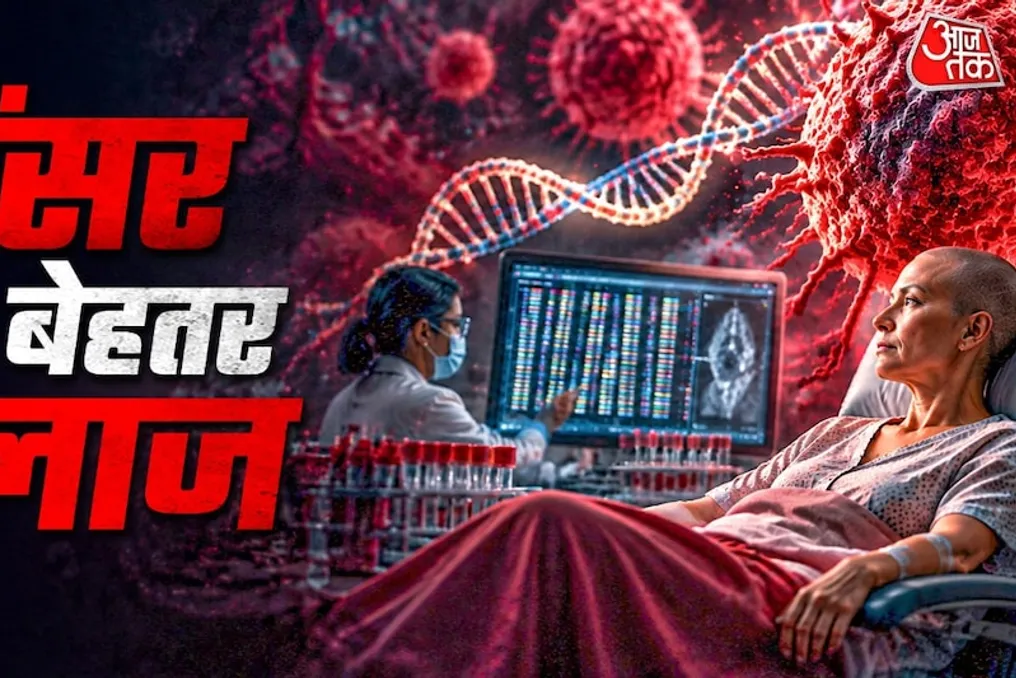
Various new methods are being introduced in cancer treatment, among which Next Generation Sequencing (NGS) stands out. This technology allows for the extension of life for patients with advanced-stage cancer (Stage 4) because it helps identify cancer gene mutations and prescribe appropriate treatment.
NGS is based on the analysis of human DNA and genes, which significantly differs from standard cancer treatment methods. Using this technique, it is determined exactly which gene mutation led to the development of cancer, and then the patient is treated with a drug specifically designed to eliminate that mutation. This provides benefits from treatment even at late stages of the disease.
Dr. Shyam Agrawal, head of the medical oncology department at Sar Ganga Ram Hospital, told Aajtak.in that this method conducts an in-depth study of tumor DNA and detects a specific DNA code that causes the constant and rapid growth of cancer cells in the body. The main advantage of this approach is that the treatment is adapted to the patient's specific disease, which is fundamentally different from traditional methods.
Based on the NGS report, doctors can determine exactly which targeted drug should be prescribed, capable of attacking only cancer cells while minimizing harm to healthy tissues.
According to Dr. Shyam, more than fifty new medications are available for this type of treatment. Many of them are released in tablet form or administered through immunotherapy. This type of therapy has fewer side effects compared to conventional chemotherapy because the drugs act directly on the cancer, causing minimal damage to healthy cells.
When standard treatments cease to work in advanced or Stage 4 cancer, NGS assistance is employed. If the NGS report reveals a mutation for which a drug exists, the patient is prescribed this specific medication. This leads to a reduction in tumor size in late-stage patients, halts the spread of cancer, and increases life expectancy.