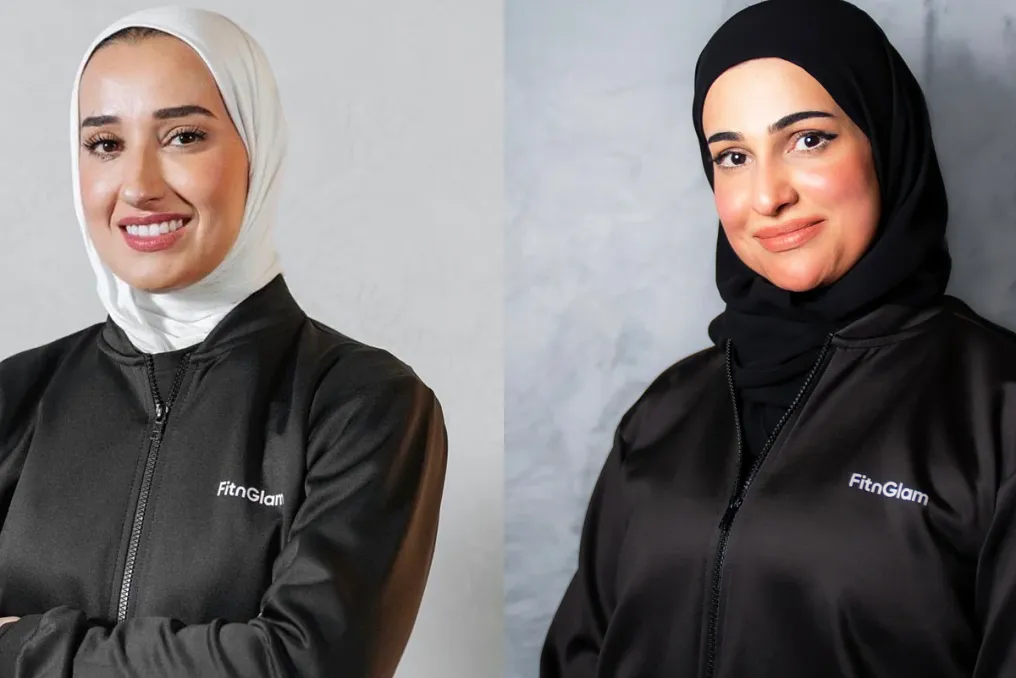
Fatima Al Mansouri, a trainer from the Emirates, notes that strength was initially associated with physical metrics such as the weight she could lift, training intensity, and physical limits. However, motherhood changed this definition.
After giving birth to three children, the Emirati fitness industry leader began to see strength in less obvious qualities: patience, resilience, and the daily effort required to care for a family while still taking care of oneself. She emphasized that motherhood gave strength an entirely different meaning, transforming it into a matter of sustainability, patience, balance, and the ability to continue caring for oneself while remaining fully engaged in family life.
Her experience transitioning from a trainer to a fitness and wellness manager deepened this understanding. Physical fitness remained important but became only part of a broader picture that includes energy, confidence, and the ability to cope with life's challenges in any area.
Al Mansouri shares that she feels stronger than ever, and this is not just due to physical capabilities but also to what strength represents in her life now.
Maryam Al-Meiri, a personal trainer whose connection to physical exercise began in eighth grade, gradually turned her interest in a healthy lifestyle into a career dedicated to helping women develop strength and build sustainable habits.
These two women represent a growing generation of professionals from the Emirates who are not just participating in the country's fitness sector but are actively shaping how women perceive this industry.
For Al Mansouri, one of the most valuable parts of being a trainer is observing changes that cannot be measured on a scale. These changes might start with a woman doing her first push-up, lifting a weight that previously seemed unattainable, or crossing the finish line in her first competition. The achievement itself is important, but the subsequent shift in mindset can be even more significant.
She notes that phrases gradually change from 'I can't' to 'I will try,' and then to 'I can.' This newfound confidence rarely stays within the gym walls; Al Mansouri has seen women carry this confidence into their careers, homes, and daily decisions. Completing a difficult workout can become proof of their ability to handle other demanding situations.
This shift is particularly noticeable in training styles like CrossFit and HYROX, which can deter beginners due to associations with heavy weights, intense competition, and elite performance. Al Mansouri, who teaches both disciplines, asserts that this image does not reflect the whole picture. Movements, weights, pace, and intensity can be adapted to each person's needs.
She stresses that starting training does not require being in good physical shape; one must start first, and then physical fitness develops. The trainer's role is not to make every session maximally difficult, but to find a suitable level of load so that every woman can safely progress and experience the satisfaction of completing something she initially doubted.
Al-Meiri also works to change the established notion that success in fitness is determined solely by a number on the scale. She explains to clients that weight can fluctuate due to hormones, stress, sleep, hydration, and the menstrual cycle. Judging by this metric, significant improvements in strength, mobility, energy, and confidence can be missed.
Instead, she urges women to pay attention to whether they have started moving better, sleeping better, feeling more energetic, or becoming stronger in daily life. According to Al-Meiri, when a woman understands her body better, she can work with it rather than being upset about it.
Her approach begins with attentive listening. Before creating a program, she considers the client's age, lifestyle, health history, mobility, past injuries, and goals. Assessing posture and movement helps determine where additional support is needed before increasing training intensity. She insists: 'Hard training is important, but it means little if you are moving incorrectly. When you learn to move correctly, you create a stronger foundation for everything else.'
The focus is on sustainable progress, not rapid, short-term transformation. Programs are adapted along with the woman, recognizing that her needs may change at different stages of life.
Both trainers work at FitnGlam, where their activities are focused on building women's confidence through individual coaching and creating a supportive community.
In 2025, Al Mansouri's contribution to the industry was recognized with the 'Rising Star of the Year' award from REPs UAE. For her, this award reflected many years of learning, coaching, and community building, but she did not view it as a final goal. She expressed hope that more women from the Emirates would see an opportunity for leadership in this industry.
She believes that Emirati trainers bring an important perspective to the sector because they understand the culture and communities they serve. Such understanding can make fitness more accessible to women who might hesitate to start exercising. Al Mansouri emphasizes that the atmosphere is crucial: a supportive community is built by remembering students' names, celebrating a beginner's first success as enthusiastically as an athlete's personal record, and replacing comparison with support.
Al-Meiri's advice to young women from the Emirates is to view health as a form of self-investment, not as a temporary project focused on appearance. She advises starting with small, sustainable habits and gradually increasing the pace.
For women concerned about age, employment, or insufficient fitness to take the first step, Al Mansouri offers simple encouragement: 'Strength has no age limit. Sometimes the strongest version of you is not the woman you were before. It is the woman you have yet to meet.'