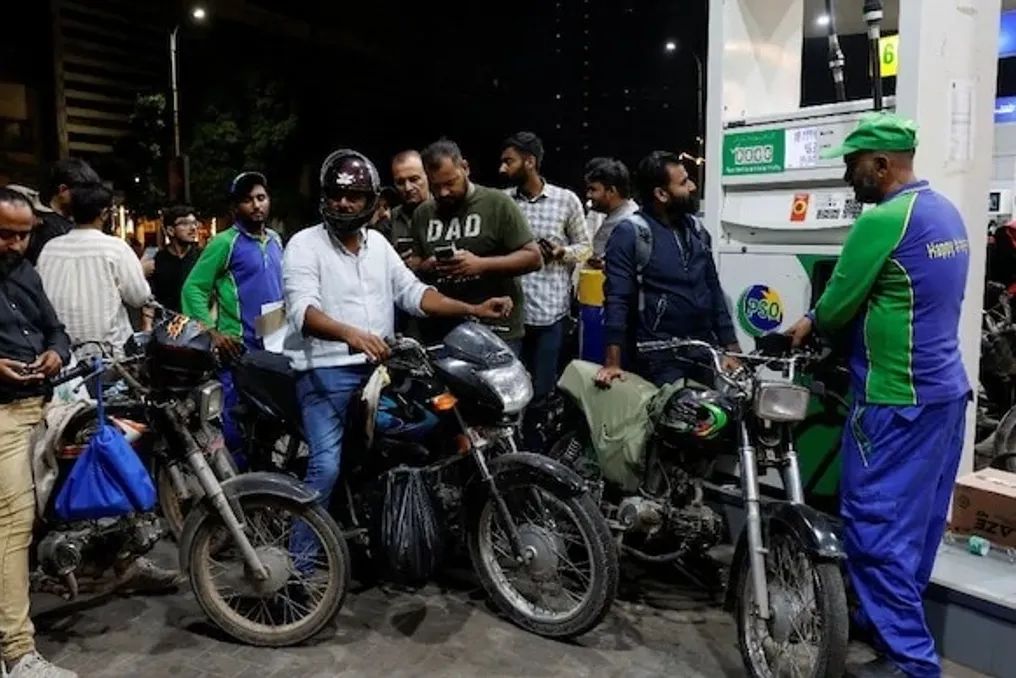
Pakistan is experiencing the impact of rising global oil prices and an energy crisis, which has spread to the functioning of markets and the holding of wedding events. The government has issued a directive to close shops, markets, and shopping centers in Islamabad by 9:00 PM. Banquet halls and event venues must close by 10:00 PM, and only one dish is permitted at weddings. Restaurants and cafes can operate until 11:00 PM.
The primary reason cited for these measures is the increase in global oil prices, caused by tensions and conflicts in the Middle East. Particular concern is raised by the situation with key maritime routes, such as the Strait of Hormuz and the Bab el-Mandeb.
The situation directly affects Pakistan, as the country relies heavily on imports of oil and gas to meet its energy needs. The rise in oil prices increases pressure on the government regarding foreign currency expenditures. As a result, the price of gasoline in Pakistan has risen to 391.22 rupees per liter, and high-octane diesel has reached 421.45 rupees per liter.
The goal of the accelerated closure of markets, shopping centers, and other stores in the evening is to reduce commercial electricity consumption and save fuel. Currently, these directives are only in effect in Islamabad, but the central government has recommended that other provinces and regions consider adopting similar measures.
The decision to close banquet halls and event venues by 10:00 PM, as well as limiting wedding meals to a single dish, aims to reduce costs and resources. The government seeks to lower energy consumption and expenses in all possible sectors.
The restrictions have not only affected private individuals and entrepreneurs. The government has also introduced a reduction in fuel quotas for official transport to 50% for the next three months. Furthermore, there is a ban on government officials traveling abroad during this three-month period. The procurement of new vehicles and durable goods in state agencies has also been suspended, except for IT-related projects. The government has mandated a monthly reduction of non-personnel regular expenses by 5% in the 2026-27 fiscal year.
Some activities are exempt from these temporary restrictions, including hospitals, clinics, medical laboratories, pharmacies, bakeries, tandoors, dairy stalls, petrol and CNG stations, electric vehicle charging stations, fitness centers, sports complexes, IT companies, and call centers. Thus, the main focus of the Pakistani government is on conserving oil, reducing energy consumption, and easing pressure on foreign exchange reserves amid rising oil prices, which led to the restriction of market operations and wedding menus.