US Trade Tariff Against Countries Buying Russian Energy Carriers Reaches 100%
Read more
Aaj Tak
www.aajtak.in

US Trade Tariff Against Countries Buying Russian Energy Carriers Reaches 100%

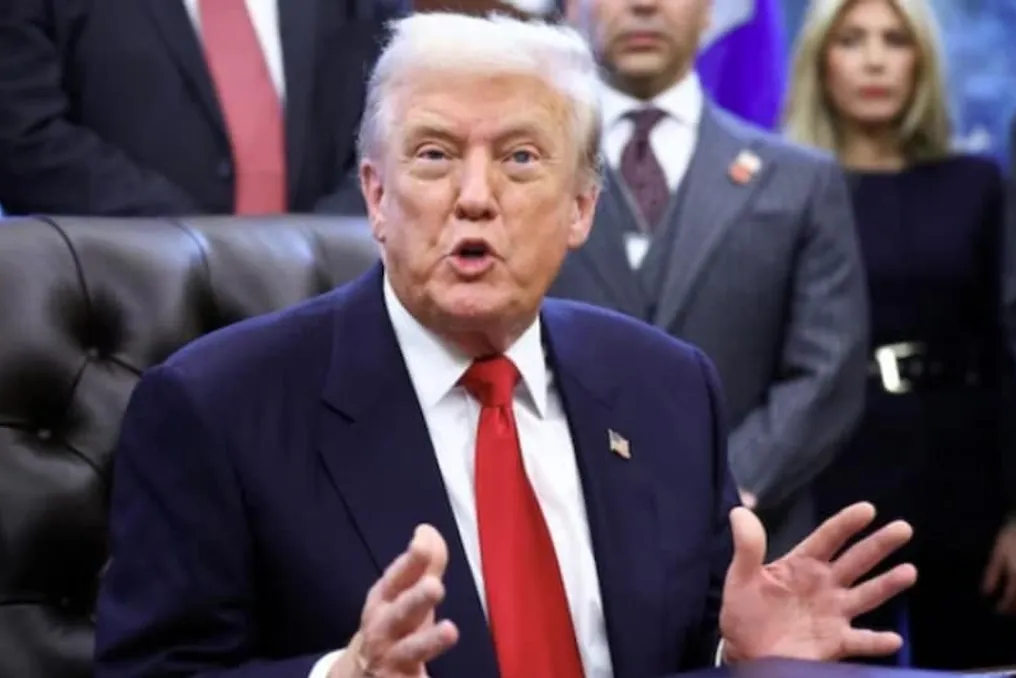
The situation in trade relations between India and the US has undergone significant changes over the past eighteen months. In February 2025, the American tariff was set at 10%. However, the US parliament has now approved a bill that allows President Donald Trump to impose a tariff of up to 100% on countries purchasing oil and gas from Russia. There is a risk that India could fall under this restriction.

In February 2025, Trump stated that the US would determine its tariffs based on the tariffs imposed by other countries on American goods. During this period, India and the US began working on a limited trade agreement, aiming to increase mutual trade turnover to $500 billion by 2030.

In April 2025, the US announced the introduction of a 26% tariff on Indian goods. Nevertheless, this tariff was subsequently suspended for 90 days, during which time a 10% tariff applied to Indian products.

In July 2025, the US raised the tariff on Indian goods to 25%, and in August, increased it by another 25%, bringing the total tariff level to 50%. The reason for US dissatisfaction was India's purchase of oil from Russia. India protested, stating that it has the right to make decisions based on its national interests and energy needs for its population of 1.4 billion people.

In February 2026, tensions between the two countries eased somewhat. The US decided to lower the tariff on Indian goods to 18%. This was linked to reaching an agreement on reducing purchases of Russian oil and eliminating some trade barriers. The parties also published the framework for the trade agreement.

However, this relief was short-lived. After the expiration of a 150-day period in July, the US reintroduced a 10% tariff on India, citing that goods from India are produced through forced labor.

In September, the US House of Representatives approved a bill aimed at increasing pressure on Russia and Iran. This law grants Trump the authority to impose a tariff of up to 100% on countries that buy oil and gas from Russia. The goal of this step is to put pressure on Russia's revenue from energy sales. For India, this is a serious issue since the country imports oil from Russia. India warned the US that such actions could negatively affect bilateral relations. The mechanism for implementing this provision and its impact on trade between India and the US remains an open question.
Similar stories

Russia strongly reacts to US criticism regarding purchases of Russian raw materials by the Indian market
Read more
www.aajtak.in

Russia strongly reacts to US criticism regarding purchases of Russian raw materials by the Indian market

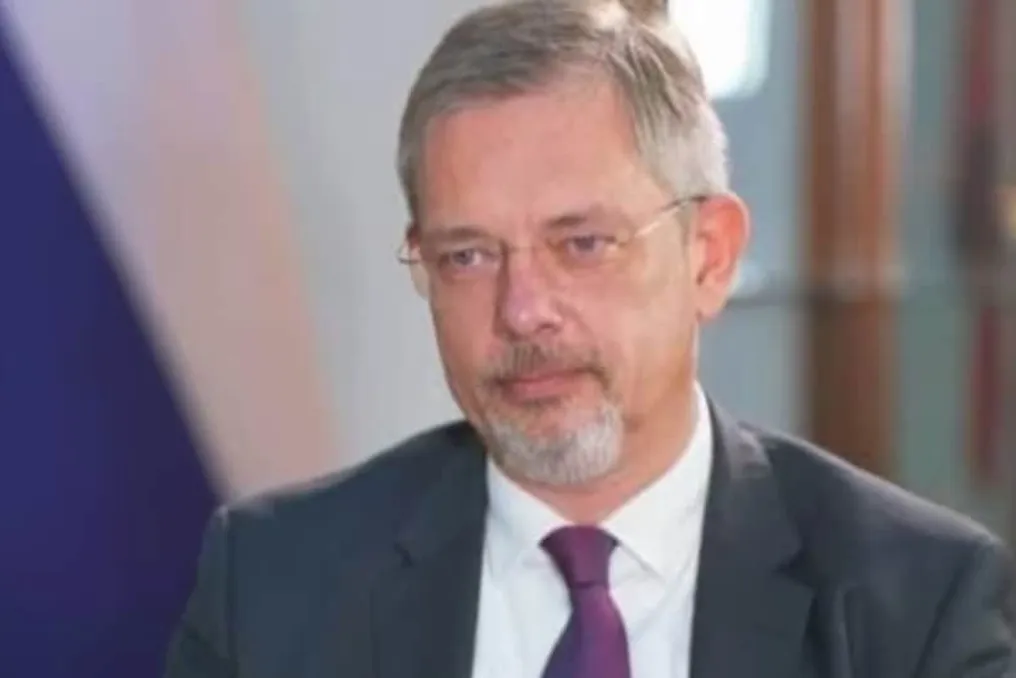
Russia sent a decisive signal to countries criticizing India for purchasing Russian raw materials and threatening to impose tariffs. The Russian Ambassador to India, Denis Alipov, stated that India purchases oil from Russia solely for its own development needs, not to assist Moscow.

Alipov gave a strong response to the criticism from Western countries regarding the continuous purchase of crude oil from Russia. In an interview with a television channel, he emphasized that India buys oil for the purpose of national development, considering the well-being of its population.

This statement came against the backdrop of growing criticism from the US and other Western states regarding India's deals with Russian oil. After the start of the war in Ukraine in 2022, India increased its purchases of cheap crude oil from Russia, becoming one of the largest buyers of Russian raw materials.

The ambassador noted that India has previously shown a willingness to defend its interests in the face of external pressure and is capable of maintaining its position. He criticized the imposition of sanctions and tariffs by Western countries against those who continue to trade with Russia.

Alipov stated that instead of offering India more favorable alternatives, methods of pressure are being used. He added that no one can offer India a better oil deal, which is why measures such as tariffs and restrictions are being introduced.

Furthermore, he assured that Russia is ready to supply India with the necessary amount of oil according to its needs.

This issue is sensitive because the US is considering taking stricter measures against major countries purchasing Russian energy. Recently, a proposal was introduced in the US Senate for a bill that allows for the imposition of up to 100% tariffs on imports from the five largest buyers of Russian crude oil or natural gas. India is among the largest buyers of Russian oil, and the implementation of these steps could increase pressure on India.

India has previously faced American tariffs related to the purchase of Russian oil and has consistently stated its right to provide its population with affordable and reliable energy.

After meeting with Ukrainian President Volodymyr Zelenskyy in Kyiv, Foreign Minister S. Jaishankar stated that whether India continues or stops buying Russian oil will not determine the outcome of the war in Ukraine. He stressed that the conflict, which has lasted five years, will not end based on whether any country buys oil, minerals, metals, or fertilizers; resolving this confrontation lies in the realm of dialogue, diplomacy, and negotiations.

Russia is the largest oil supplier to India

In August, Russia remained the largest supplier of crude oil to India. Although India's purchases of Russian oil in June and July decreased compared to record figures, in August India imported about 20.8 thousand barrels of crude oil daily from Russia. This figure was 26.3 percent lower than the July record of 28.2 thousand barrels per day. Nevertheless, in August, Russian oil accounted for approximately 45 percent of India's total crude oil imports, allowing it to maintain its lead among suppliers despite the decrease in volumes.

Popular