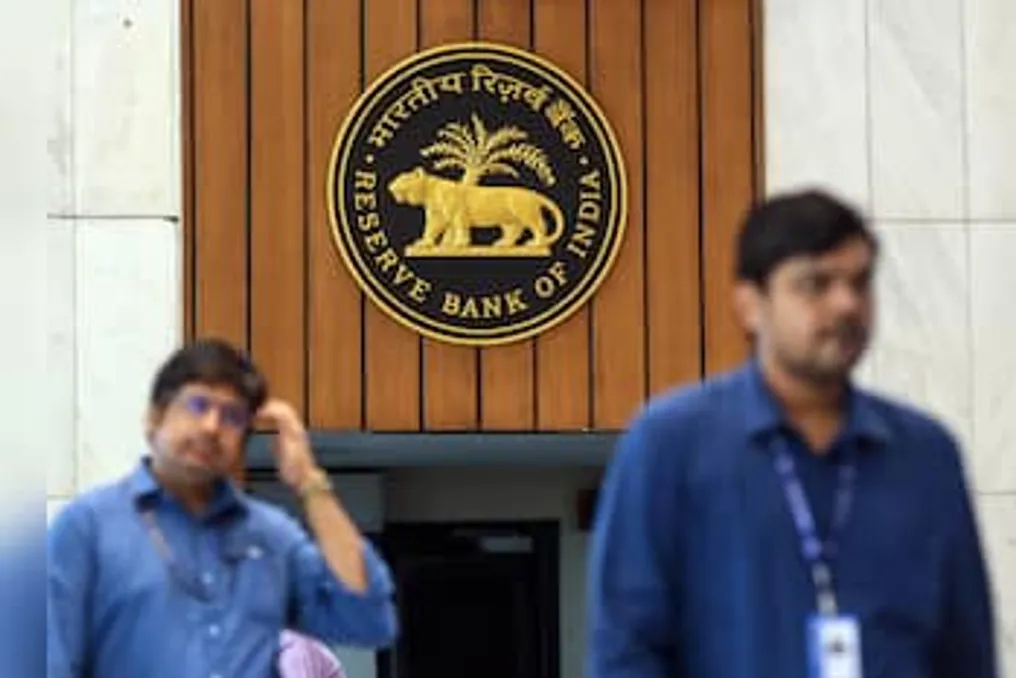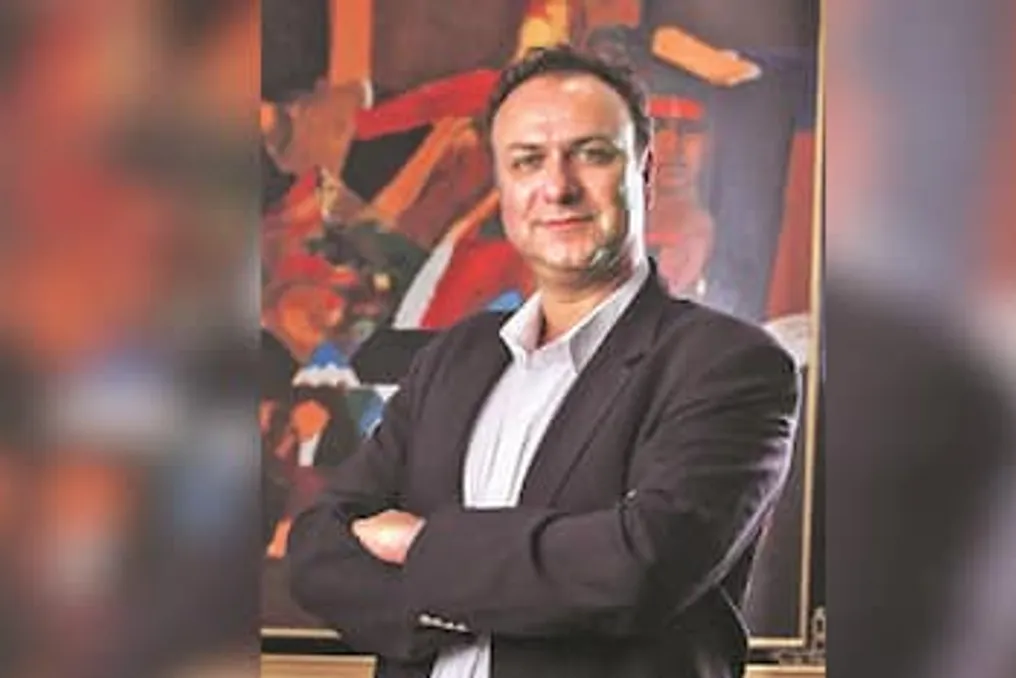
The Chairman of the Shapoorji Pallonji Group, Shapoorji Pallonji Mistry, expressed approval for the Reserve Bank of India's (RBI) decision regarding Tata Sons. He noted that this decision clarifies the path forward and has the potential to strengthen transparency and accountability within the Tata group's holding company.
Mistry stated that Tata Sons was classified by the RBI as an Upper-Layer Non-Banking Financial Company (NBFC) within the scale-based regulatory framework, and this classification determined the prescribed route for listing.
He emphasized that since the RBI rejected the application for exemption and directed Tata Sons toward necessary compliance in the shortest possible time, the future course became clear.
Mistry Thanks Prime Minister Modi for Attention to Institutional Building
Furthermore, Mistry highly praised the leadership of Prime Minister Narendra Modi, particularly noting the government's commitment to strengthening institutions and enabling them to perform their duties with clarity and authority.
He pointed to the creation and development of institutions such as NITI Aayog, highlighted transparent and accountable governance, and mentioned the government's stated respect for the autonomy of the RBI.
Mistry believed that empowering institutions to act according to the law and public interest is a hallmark of statesmanship, and he highly values the Prime Minister's commitment to institutional building and long-term national interests.
In his view, the public listing of Tata Sons should be seen not merely as a financial or regulatory issue, but as a 'social and moral imperative' that could enhance public accountability while preserving the philanthropic purpose of the Tata legacy.
Mistry called for closer interaction between Tata Sons, Tata Trusts, and its shareholders, asserting that development should not be perceived as a victory of one stakeholder over another.
He stated that the listing of Tata Sons could serve as a bridge—a bridge between shareholders and the Trusts, between private heritage and public responsibility, and between generations of management and between India's great past and its outstanding future.
Referencing the more than century-old relationship between the Shapoorji Pallonji and Tata groups, Mistry expressed hope for a 'deeper partnership, greater interaction, and stronger relationship' with Tata Sons and Tata Trusts.
Listing Could Strengthen Governance and Philanthropy: Mistry
According to Mistry, a transparent and publicly accountable Tata Sons could expand participation, strengthen governance, provide greater visibility of value, and protect investor interests. He also noted that this could form the basis for a more robust and fair dividend policy and enhance the ability of Tata Trusts to fulfill their philanthropic objectives.
He opined that the common goal should be for Tata Trusts to become one of the largest and most significant philanthropic foundations globally within the next five years, both in size and in the scale of social good created.
Mistry also mentioned Tata Sons' presence in areas such as semiconductors, advanced manufacturing, aviation, defense, artificial intelligence, digital technologies, energy, and strategic infrastructure, stating that the holding company must transform into a modern, globally respected, and publicly responsible institution.
He addressed individual trustees, the leadership of Tata Sons, shareholders, employees, and other stakeholders, urging them to approach the listing process with 'harmony and a common goal.'
Mistry added that the Shapoorji Pallonji group is ready to participate in this spirit, showing respect for the Tata legacy, confidence in its future, and a shared commitment to national interests.
He concluded that the RBI's decision could be a landmark moment in the evolution of Indian corporate governance, demonstrating that scale and legacy can coexist with transparency and public accountability.