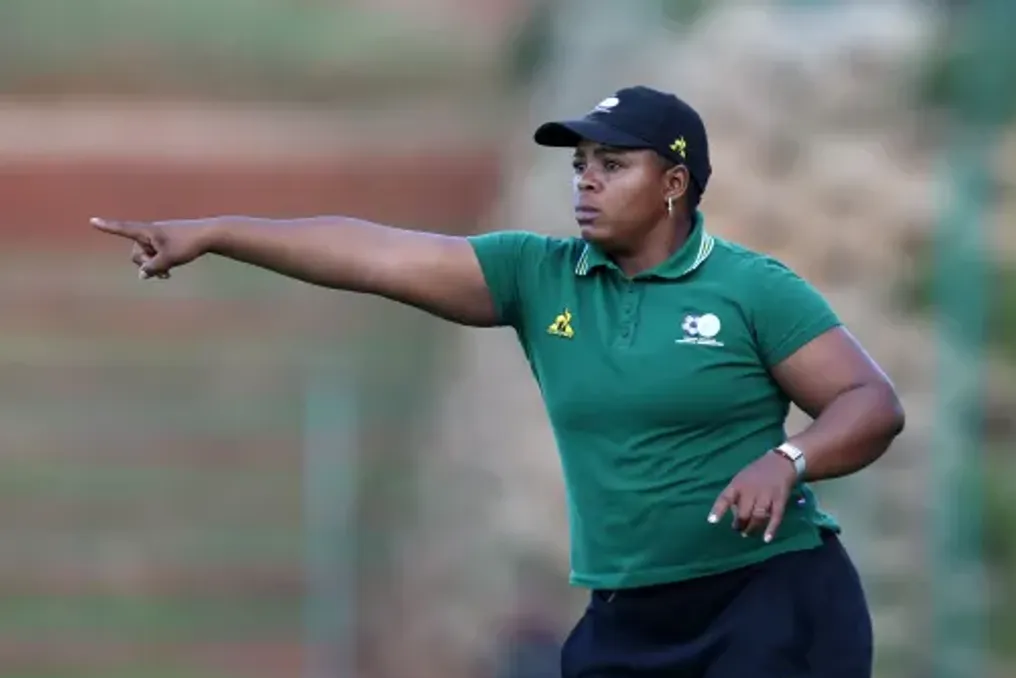
Simphiwe Dludlu, former captain of the Banyana Banyana team, believes that despite significant progress in South African women's football, the sport remains too dependent on players viewing it as a secondary activity.
Dludlu characterized women's football as a 'magnificent hobby,' emphasizing the financial difficulties faced by athletes, even against the backdrop of the game's growth and Banyana's international successes.
Her remarks align with data from a recent Momentum study titled She Owns Her Success, which revealed financial challenges for women in sports: 74% of respondents have a second job, one in four works full-time at an elite level, and half receive no income from their sport.
For Dludlu, these figures reflect the reality she has observed in South African football, including among national team players. She stated: 'Women's football is a magnificent hobby, to be honest. Many players, and I'm talking about a large number, have to balance it with work and studies, and this includes national team players. Only those who earn a salary from football can call themselves professionals, and that is mostly those who play abroad.'
Nevertheless, South Africa's women's game has shown substantial growth due to increased investment, allowing Banyana to establish itself as a strong force on the continent. The team won the 2022 Women's Africa Cup of Nations and subsequently qualified for the 2023 FIFA Women's World Cup, and a growing number of South African female athletes have found opportunities abroad.
Dludlu believes these achievements prove that investments can yield tangible results. She noted: 'The investments made in the league have reflected and continue to reflect how our women's game levels have grown over many years. Institutions that have contributed significantly have certainly seen returns through Banyana's title at WAFCON, opportunities for players abroad, and participation in the 2023 World Cup.'
However, she believes the next stage requires significantly more funding and, crucially, a truly professional domestic structure. 'The next step is obvious: the game needs more sponsors across the country and in various institutions involved in women's football. We already have a league, but we need a higher one—a professional league.'
In Dludlu's view, the problem is not just increasing the number of players, but preparing footballers capable of immediately competing for spots in the successful Banyana team. 'There are talented players in South Africa, obviously, but we currently lack polished players. We don't have players who could step into the Banyana squad and replace Thembi Kgatlana or Lindiwe Motlhalho, and this is where these investments should go.'
Thus, the task goes beyond celebrating the growth of women's football; the next measure of success may be the ability of talented athletes to make football their primary source of income, rather than something they have to fit into their schedule around another career.