The recent extension of the African Growth and Opportunity Act (Agoa) provides some support to South Africa's agricultural sector, but speakers at the FairPlay webinar warned that farmers and exporters should not consider this decision a long-term guarantee.
The webinar, moderated by Fairplay Movement founder François Boird, gathered representatives from the citrus and poultry industries, as well as experts in trade and economics. The event aimed to examine the implications of the Agoa extension for South Africa's agricultural exports and trade relations with the United States.
Jana Yense van Rensburg, a market liaison specialist at the Citrus Growers Association (CGA), welcomed the extension, although she noted that it does not provide the long-term certainty the industry desired. She stated: 'We would prefer a much longer extension, but we will accept any benefit we can get.'
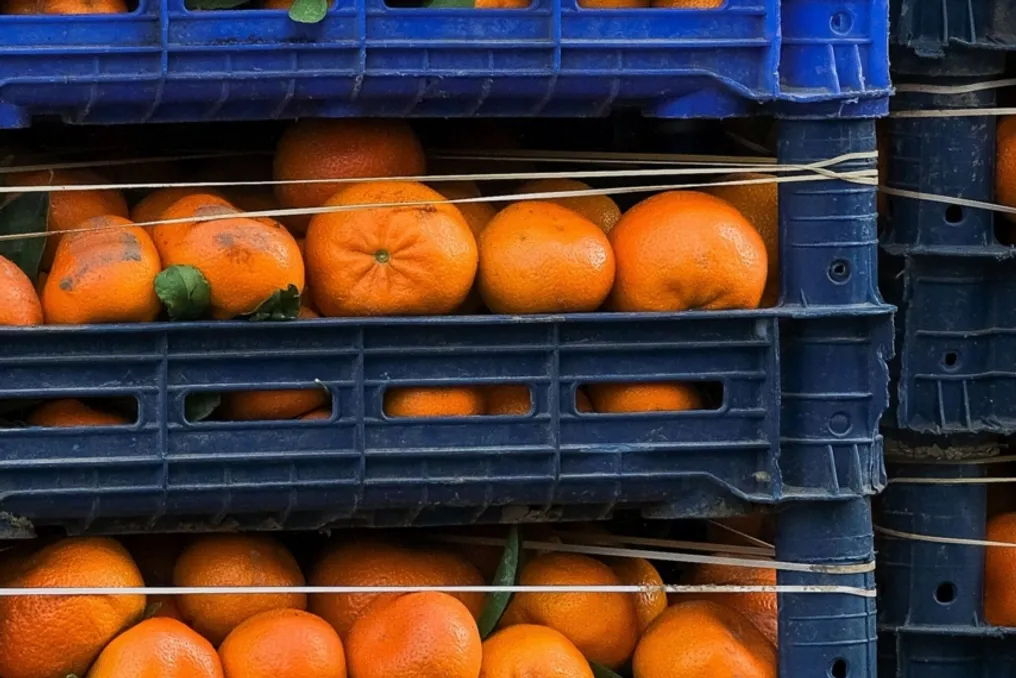
Citrus is one of South Africa's main export commodities to the US and is among the largest exported products in value under Agoa. Nevertheless, Van Rensburg warned that South Africa's ability to continue benefiting from the preferences remains subject to review, meaning uncertainty persists.
She emphasized that the government needs to work on a bilateral trade agreement with the US while addressing tariff and phytosanitary requirements. Despite tariffs and uncertainty affecting exports, South African citrus producers cannot entirely abandon the American market.
According to Van Rensburg, citrus production is growing, and exports will continue to serve US buyers to maintain shelf space and sustain business relationships, as such relationships take many years to build and are difficult to restore after loss.
For farmers, uncertainty about future market access can influence decisions regarding orchard expansion or other long-term investments. Exporters also plan supply programs months in advance, and fruit destined for the US requires a specialized cold chain.
In the industry's priorities, according to Van Rensburg, are maintaining client relationships, increasing competitiveness, strengthening quality, sustainability, and traceability, as well as ensuring cold chain excellence. She also highlighted the need to eliminate the 12.5% tariff affecting exports from South Africa.
Historically, the Agoa program presented a different picture for South Africa's poultry industry. Isaac Brightenhob, CEO of the South African Poultry Association (SAPA), reported that South Africa has never exported broilers to the US under Agoa. Instead, the agreement provided access to the South African market for the American poultry industry.
Under the 2015 agreement, South Africa agreed to allow the import of 65,000 tonnes of American poultry meat without anti-dumping duties, while South African products received preferential access to the US market.
Brightenhob noted that the latest agreement is concerning because South African exporters continue to face tariffs in the US, while the US retains access to the South African market under poultry provisions.
However, the industry is looking beyond the US. Brightenhob reported investments in culinary facilities with a capacity of about 120 tonnes per week, opening opportunities for exporting ready-made, high-value chicken products to markets where fresh and frozen poultry may face phytosanitary restrictions. Target markets include the European Union, the UK, and the Middle East.
Jana Van Rensburg added that the citrus industry already exports to over 120 countries. Although the US accounts for only about 5% of total citrus exports, this corresponded to over 120,000 tonnes from qualified production areas last season.
She concluded: 'While diversification is necessary, our success depends both on protecting access to established markets like the US and on ensuring growth in new markets.'
However, new markets bring their own challenges, including increasingly stringent requirements for phytosanitary standards, food safety, and maximum residue levels.
Professor Diana Furckhott-Roth, an economist and supply chain expert from Georgetown University, believes that South African businesses must realize that global supply chains are transforming under the influence of geopolitical tensions, tariffs, and changing trade policies. She advised South Africa to assess trade relations on a per-market basis rather than relying on a single system, and also to consider opportunities to strengthen ties with individual US states.
Andrew Hale, a US trade expert and former British civil servant, stated that South Africa must prepare for constant changes in US trade policy, rather than assuming that the Agoa extension guarantees stability. He noted: 'Trade is regulated at the federal level, but certain issues can be agreed upon at the state level.'