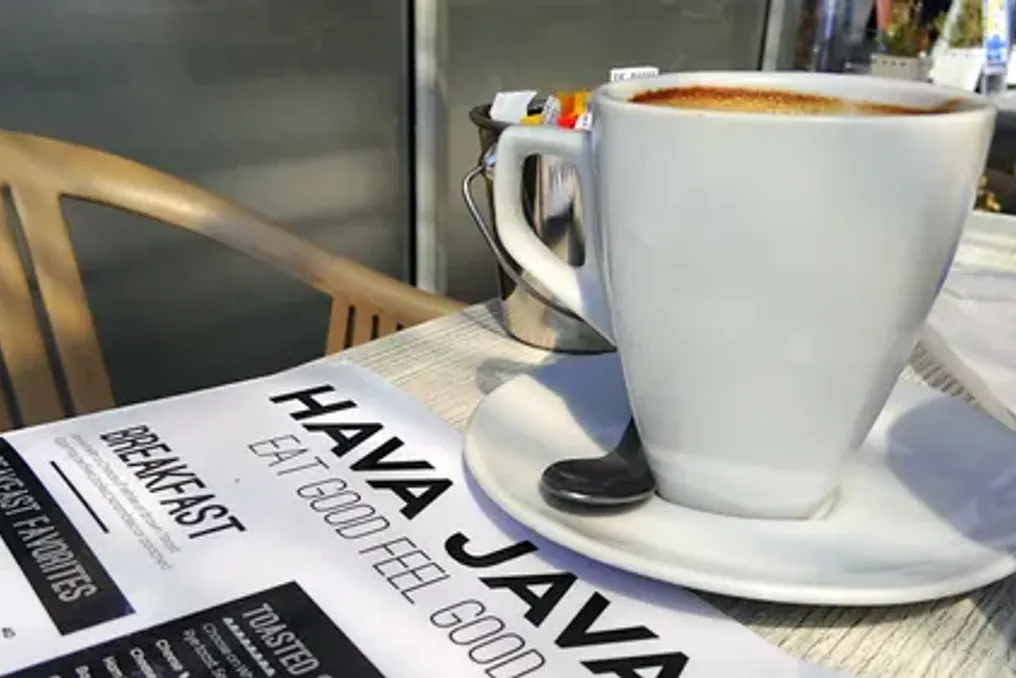
Hava Java Cafe, located near Johannesburg, traditionally attracted pensioners who would make purchases and then stop for coffee, breakfast, or a slice of cake. When Ayla Fatter's family took over management of this small cafe in March 2024, they acquired an existing business with a steady stream of customers.
However, within the first month after the transition, Fatter reported a drop in sales of approximately 30%, which she largely attributes to the decrease in people physically visiting the shopping center as the boom in home food delivery gained momentum. According to her, the sole reason is the lack of pedestrian traffic.
For Hava Java, grocery shoppers were potential cafe visitors. Fatter noted that since the start of the delivery service, sales have sharply declined, and the business has needed time to recover. Even after more than two years, revenue has not returned to previous levels.
The Growing Delivery Sector
Previously, another grocery store was in the same location, which did not offer delivery services; however, the growth of home delivery during the same period was very rapid. Shoprite Holdings reported that its Sixty60 service generated R18.9 billion in revenue for the 2025 financial year, which is 47.7% more than the previous year. The service has expanded to 694 locations and has processed 100 million orders since launch.
Furthermore, Pick n Pay's online turnover increased by 32.7% by March 2026, and revenue through its on-demand platforms grew by 37.6%. The delivery offering is available in over 620 stores. Woolworths is also increasing its home delivery volume: revenue from its food ordering service grew by 19.6% in a year, and online sales accounted for 7.3% of South African food sales, after Woolies Dash sales grew by 41.6% in the previous year.
The Situation in India
A possible indirect effect on neighboring businesses is also felt in other parts of the world. A study conducted in Pune, India, in 2026, showed that small traders report a decline in foot traffic and sales amid the rise of online shopping. Although it was a small study covering 20 consumers and five traders, it also revealed that retailers are responding to the situation by implementing digital payments, social media marketing, and their own online ordering and delivery services.
To adapt, Hava Java began seeking customers who came for reasons unrelated to grocery shopping. Fatter told IOL that the cafe started actively attracting professionals from neighboring businesses looking for a place to meet, work, or have a cup of coffee. Additionally, the cafe obtained a liquor license, renovated the bar, and began operating in the evenings. She said that late lunches, after-work drinks, and weekend cocktails helped, as evening trade and alcohol sales have increased in recent months.
Investing in Customer Experience
However, recovery requires financial investment, notes Fatter, as the restaurant invests in improving the customer experience. The owner has not received a salary from the business for about two and a half years, and the establishment's income has been used to cover operating expenses and staff wages. Fatter emphasized: 'Every penny we earn is constantly directed towards what we can do to improve this? What can we do to make it grow?'
She added that 'two long years of attempts at promotion and growth have passed. We are getting closer, but it is difficult.' The cafe also relies on the fact that you cannot deliver to the customer's door. Fatter spoke about her regular customers: 'They know us, we interact with them. They know that the waiters know their usual orders.'
In her opinion, for small businesses unable to compete with large players on price, it is necessary to compete through customer service quality.