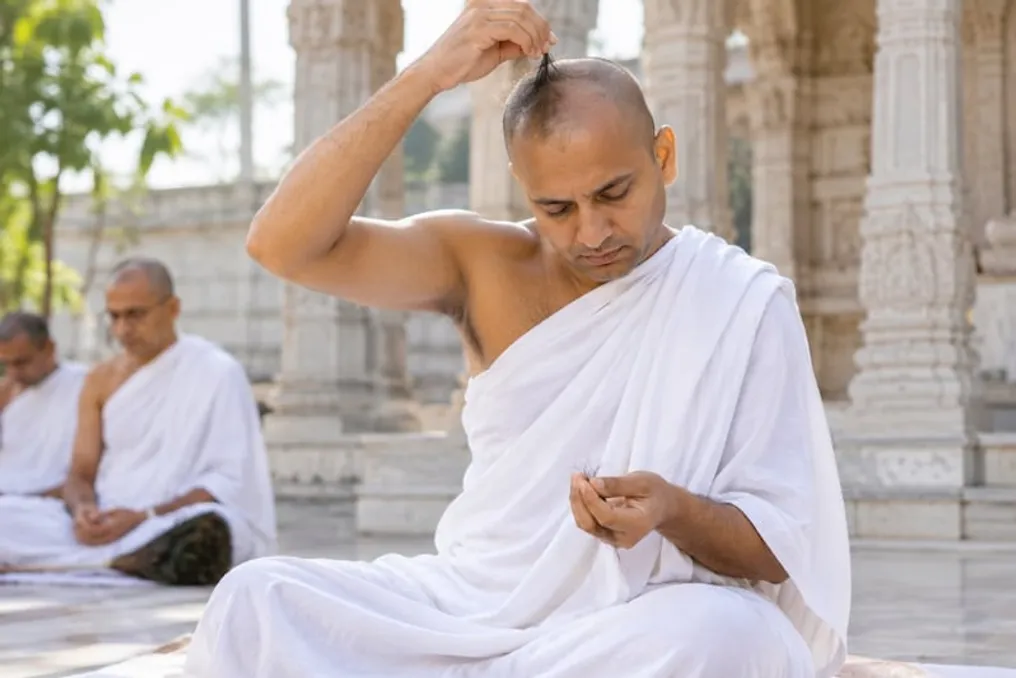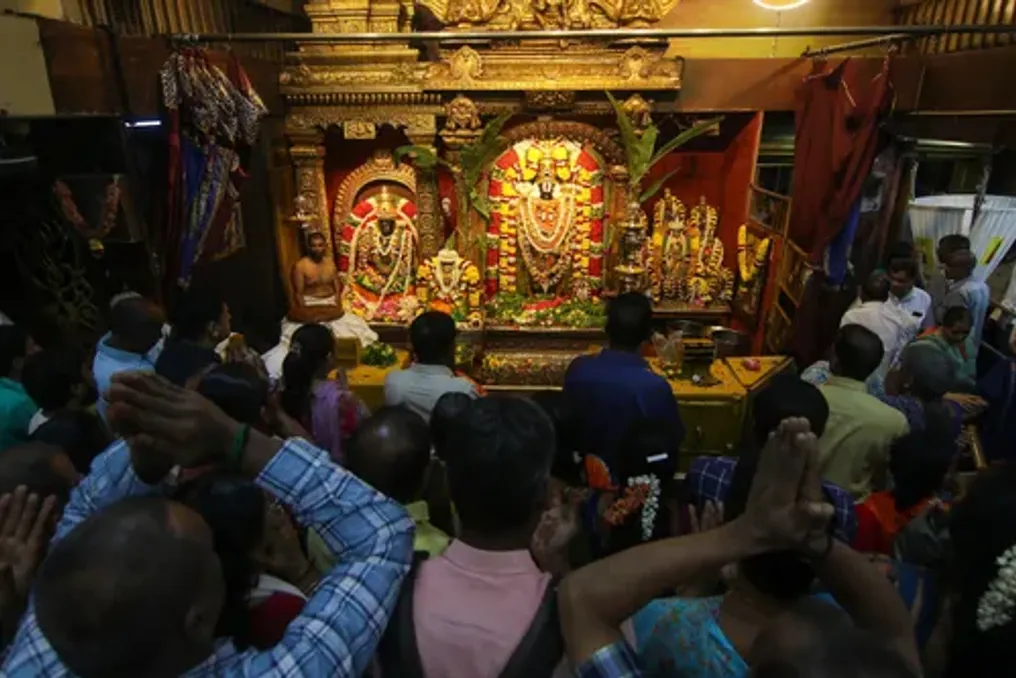
For those unfamiliar with Hinduism, the period of Purattasi might seem like just a month when followers abstain from meat and gather for Saturday prayers. However, as the author states, its significance is much deeper: it is a time of spiritual self-discipline, strengthening family bonds, preserving cultural memory, and personal renewal.
From September 18 to October 17, Indian Hindus from South India worldwide observe Purattasi—a sacred period dedicated primarily to Lord Venkateswara, also affectionately known as Balaji, Srinivasa, or Govinda.
Purattasi encourages people to slow down, simplify their lives, and contemplate their relationship with the Divine, with each other, and with nature. The name Purattasi refers to the sixth month of the Tamil calendar and is considered particularly auspicious for worshipping Lord Venkateswara, who is an incarnation of Lord Vishnu, revered as the preserver and protector of the universe.
Millions of devotees associate this period with the famous Tirumala Venkateswara Temple in Tirupati, India, which is one of the most visited holy sites in the world. Lord Venkateswara embodies divine compassion, protection, and the victory of good over human weakness. In difficult times, followers turn to him for strength, wisdom in uncertainty, and blessings for their families' well-being. The repeated chanting of 'Govinda! Govinda!' serves as both an expression of devotion and a reminder of the Divine presence even in the most challenging moments of life.
Purattasi can be compared to servicing a vehicle before a long journey. Even if the car runs perfectly, it needs periodic stopping, inspection, and updating. Similarly, Purattasi calls us to slow down and conduct a self-analysis of our spiritual and moral lives: have we become impatient, selfish, or detached from reality? Have material pursuits overshadowed our duties to family and society? Have we managed to express gratitude for what we have?
Thus, the fast observed during Purattasi concerns not only dietary changes but also the transformation of thoughts and feelings. Typically, throughout the month, followers abstain from meat, fish, eggs, and alcohol. Some add extra rules according to family traditions, personal vows, and health conditions. Nevertheless, the fast yields little spiritual benefit if a person abstains from meat while continuing to consume anger, envy, dishonesty, and hatred.
As Mahatma Gandhi wisely noted: 'The best way to find yourself is to lose yourself in service to others.' Therefore, true fasting must include abstinence from speech, control of negative thoughts, compassion for others, and helping those in need. Purattasi calls on followers not just to change their diet, but to change their lifestyle.
Saturdays are the spiritual culmination of this period. Families tidy their homes, take baths, dress appropriately, and gather around the altar for prayer. A lamp is lit, symbolizing divine knowledge dispelling the darkness of ignorance. Flowers, fruits, incense, and specially prepared vegetarian dishes are offered with devotion.
Prayer may include chanting the names of Lord Venkateswara, performing bhajans, reading sacred verses, reciting the oral text Verabhoga Vasantaraya, which relates to the prophetic manifestation of Lord Vishnu, and repeating 'Govinda.' Some families recite the Vishnu Sahasranama—the thousand names of Lord Vishnu, while others follow prayers and songs passed down through generations. Practices vary between families and communities, but central elements remain devotion, gratitude, discipline, and unity.
Special vegetarian meals are prepared, often including rice, dal, vegetable curries, sambar, vadas, and sweets. The food is first offered to the Deity as prasadham and then shared among family members, neighbors, and guests. This meal becomes more than just nourishment for the body; it transforms into a sacred expression of hospitality and community.
Across South Africa, temples hold special Saturday services during Purattasi. Groups engaged in Ram bhajan and other religious practices visit temples and homes, filling these spaces with music, singing, and powerful spiritual vibrations. The rhythm of drums, cymbals, and collective singing creates an atmosphere where differences in age, status, and profession become temporary. Everyone becomes part of one spiritual family.
These gatherings are especially important in an era marked by loneliness, family breakdown, and excessive reliance on digital technology. Purattasi unites generations: grandparents explain rituals, parents prepare food, youth sing or help with prayers, and children learn through observation and participation.
Youth should view Purattasi not as a set of restrictions inherited from the past. It should be understood as a living tradition that directly addresses contemporary issues. The discipline of the fast teaches self-control in a world driven by instant gratification. Prayer creates silence in a culture of constant noise. Family gatherings counteract social isolation, and vegetarianism encourages reflection on health, sustainable development, and our relationship with other living beings.
Some people also view Purattasi from the perspective of health and science. They describe the temporary abstinence from meat and heavy food as a form of 'detoxification.' Strictly speaking, the human liver, kidneys, lungs, and digestive system continuously perform natural detoxification processes. Nevertheless, a well-balanced plant-based diet during Purattasi can bring real benefits if it includes vegetables, fruits, legumes, whole grains, and sufficient water.
Reducing processed meat, excess saturated fats, alcohol, and heavy meals can improve digestion and promote healthier eating habits. However, replacing meat with large portions of fried food, sugar, or refined carbohydrates will negate this goal. The health benefit lies not merely in excluding meat, but in choosing nutritious food, moderation, and balance. People with diabetes, chronic illnesses, or specific dietary needs should fast responsibly and seek medical advice if necessary.
Purattasi in South Africa also holds deep historical significance. These prayers and customs were brought here by Indian indentured laborers starting in 1860. They arrived under harsh conditions, often separated from their families, villages, and familiar places of worship. They had few material possessions, but they carried an extraordinary spiritual heritage in their memories, songs, languages, and rituals. On plantations, in barracks, and in humble homes, they continued to light lamps, prepare simple offerings, and chant the names of Govinda. Their faith became a source of courage, identity, and survival. More than 165 years later, every Purattasi prayer held in a home or temple in South Africa honors their resilience and preserves the cultural heritage they entrusted to future generations.
For non-Muslims, Purattasi offers an accessible window into Hindu belief. It demonstrates that Hindu worship is not limited to temples or elaborate ceremonies. It is expressed through food, music, family, generosity, self-restraint, and respect for life. Its broader values—gratitude, discipline, compassion, and renewal—are universal.
Ultimately, Purattasi poses a profound question: what are we willing to give up to become better people? The answer is not necessarily limited to meat. We can abstain from cruelty, prejudice, wastefulness, gossip, and indifference. We can replace them with kindness, service, understanding, and respect.
When families gather on Purattasi Saturdays, and the sacred call of 'Govinda! Govinda!' fills homes and temples, they are not merely repeating an ancient ritual. They are renewing a covenant between the past and the present, the body and the spirit, humanity and the Divine. This is the enduring significance of Purattasi: it cleanses not only the plate but also the conscience; it nourishes not only the body but also the soul.