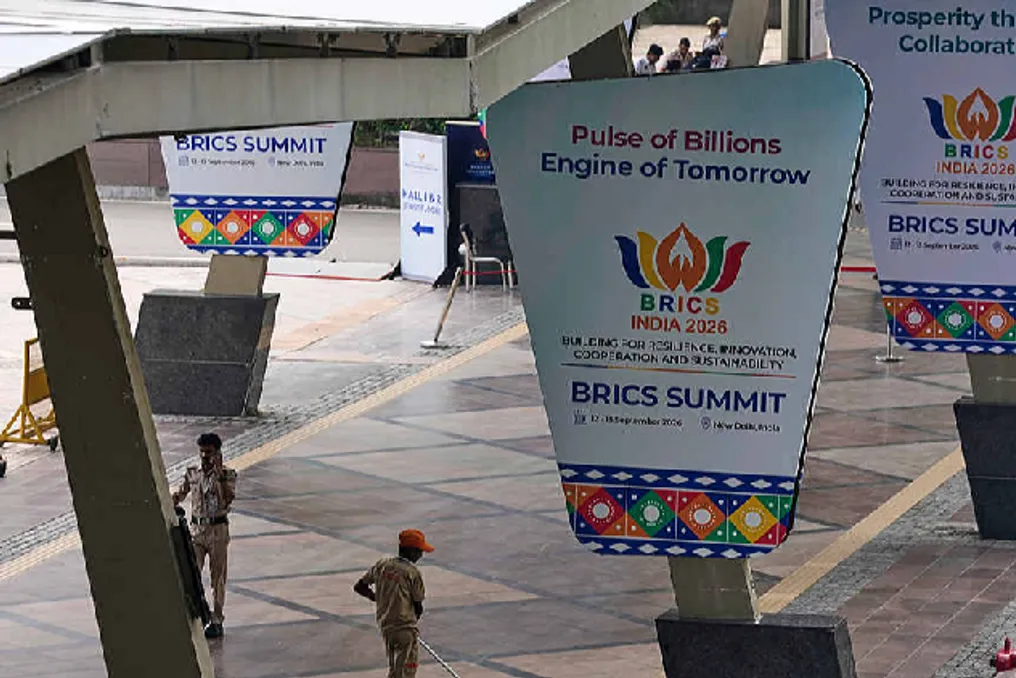
Over the past two decades, the BRICS union has brought tangible benefits to Global South countries through a number of mechanisms. These mechanisms promote the adoption of alternative financial sources, stimulate industrial and technological innovation, and strengthen the voice of these countries in global governance.
One of the main ways Global South countries benefit economically from the BRICS mechanism is by attracting investment. Some African countries that are part of the 'expanded BRICS' have already demonstrated the potential of this platform.
Ethiopia, which officially joined BRICS in 2024, has felt how the platform improves its prospects for financial growth and contributes to the country's overall development. In an interview with CGTN, former Ethiopian Finance Minister Sufian Ahmed Bekker stated that BRICS represents a significant group of major economies that provides Ethiopia with a pool of investments from countries such as China, India, and Gulf states.
According to Bekker, economic exchanges not only attract capital but also expand Ethiopia's export markets among other developing economies within the group. He also highlighted the possibility of using alternative financing sources for infrastructure development, which could provide substantial support to the country's growth.
Acting as a single entity, BRICS acts as a catalyst for trade and an accelerator of development. Joseph Upile Matola, head of the Economic Sustainability and Inclusivity Program at the South African Institute of International Affairs, noted that through economic ties within BRICS, Africa is striving to increase added value and strengthen value chains to sell secondary raw materials or processed products to other African nations.
In addition to trade and investment advantages, BRICS supports the industrial transformation of the Global South. In this regard, China has proposed five initiatives covering artificial intelligence (AI), trade and investment, the digital industry, intelligent manufacturing, and talent in science and technology. These initiatives aim to strengthen the foundations of cooperation in the 'expanded BRICS' and unlock the potential of Global South countries in key industries shaping the future.
Wan Jinsong, an associate professor at the School of Government, Beijing Normal University, believes that these five initiatives are targeted aspects that will contribute to the development of the Global South. He noted that AI is considered a dominant force in the world economy and development in the foreseeable future, and Global South countries seek to join this movement to utilize AI for their progress.
Recognizing that AI is shaping the landscape of international development, China called for closer cooperation in AI globally, especially with Global South countries, advocating for the principles of open source, openness, and sharing in AI work. Wan added that China's proposal is particularly relevant given the willingness of countries to harness the power of AI for their own development, as open-source and open-weight models are easier for these countries to implement and apply, allowing them to better adapt AI applications to local conditions and data.